Built for long shifts and heavier carry
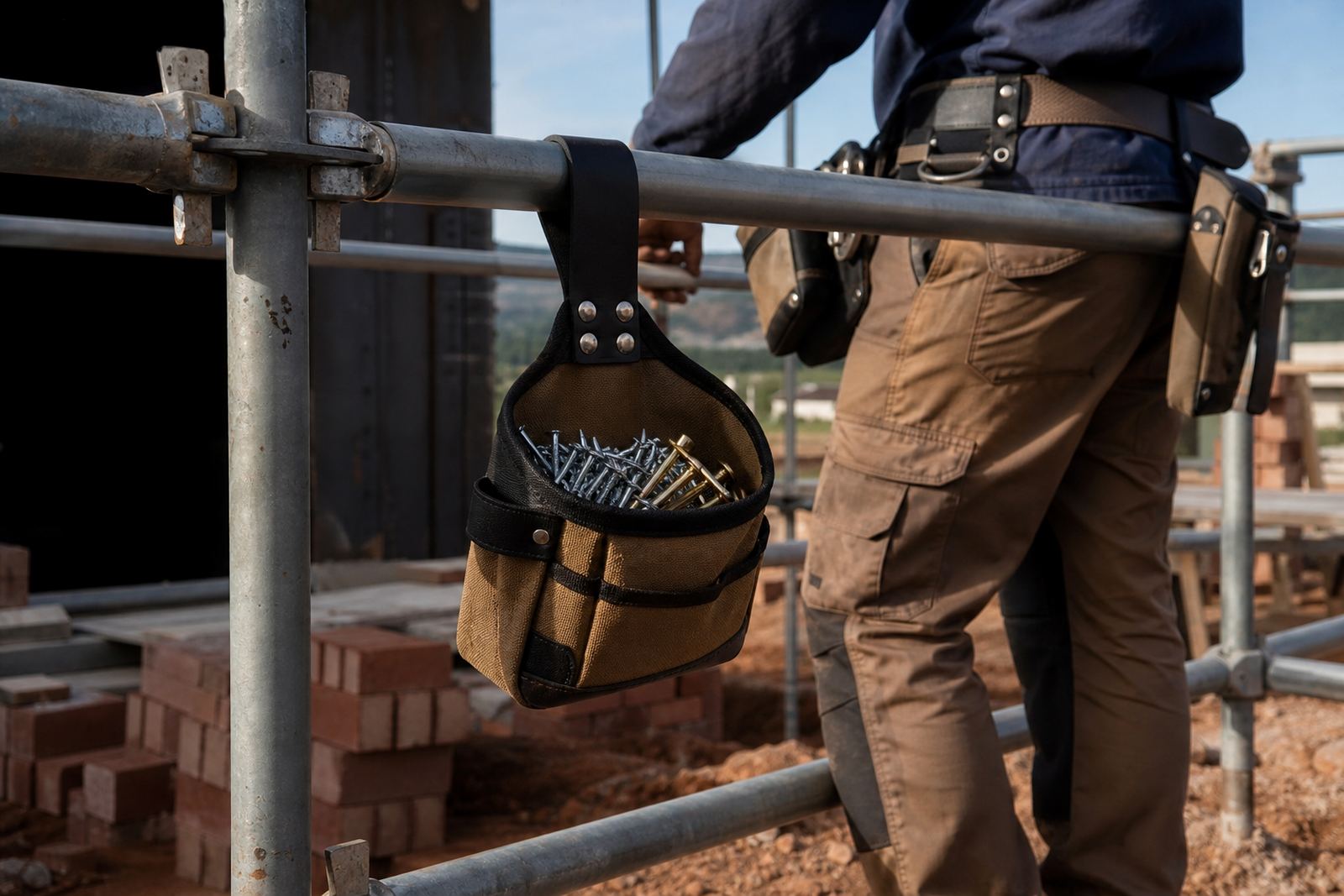
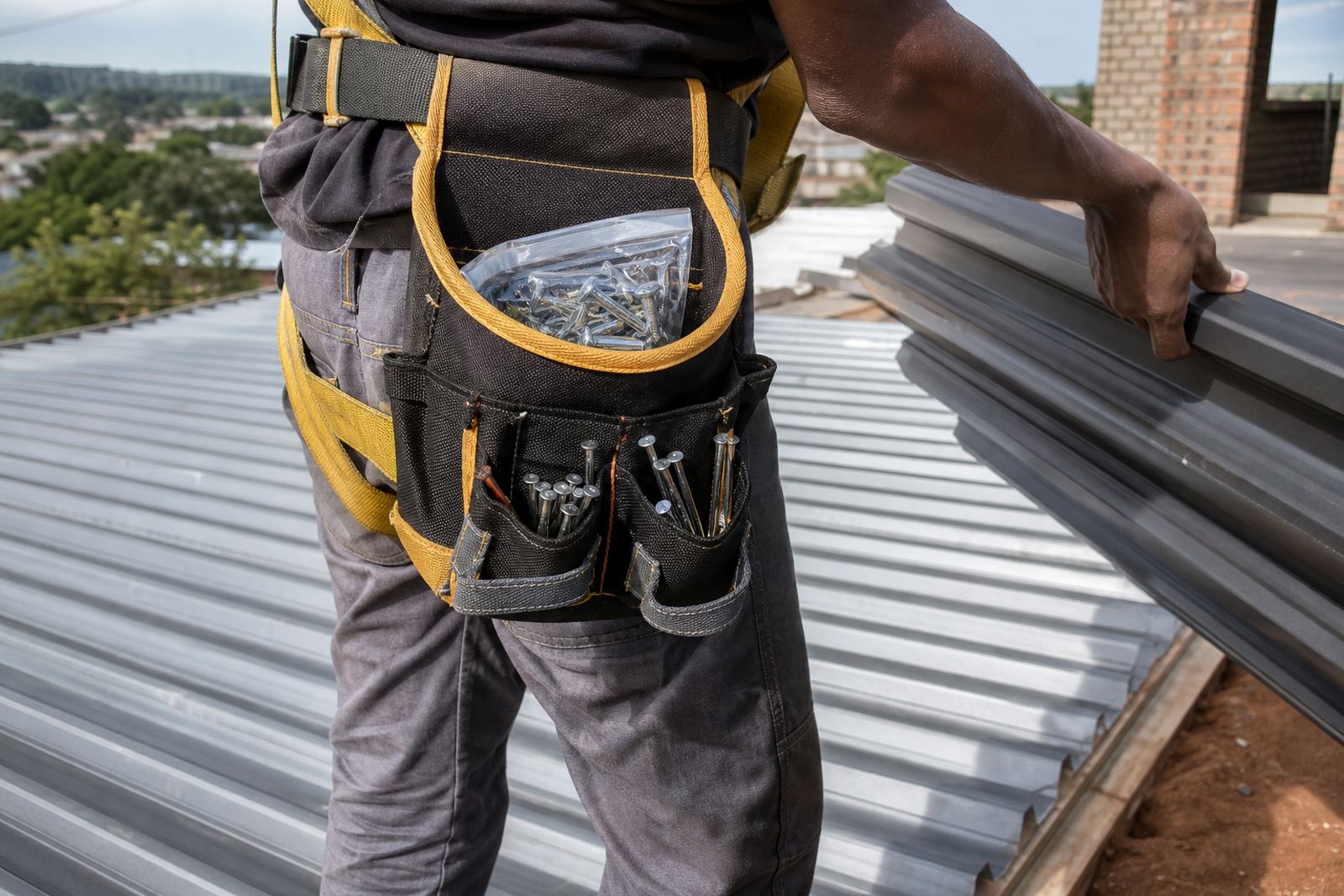
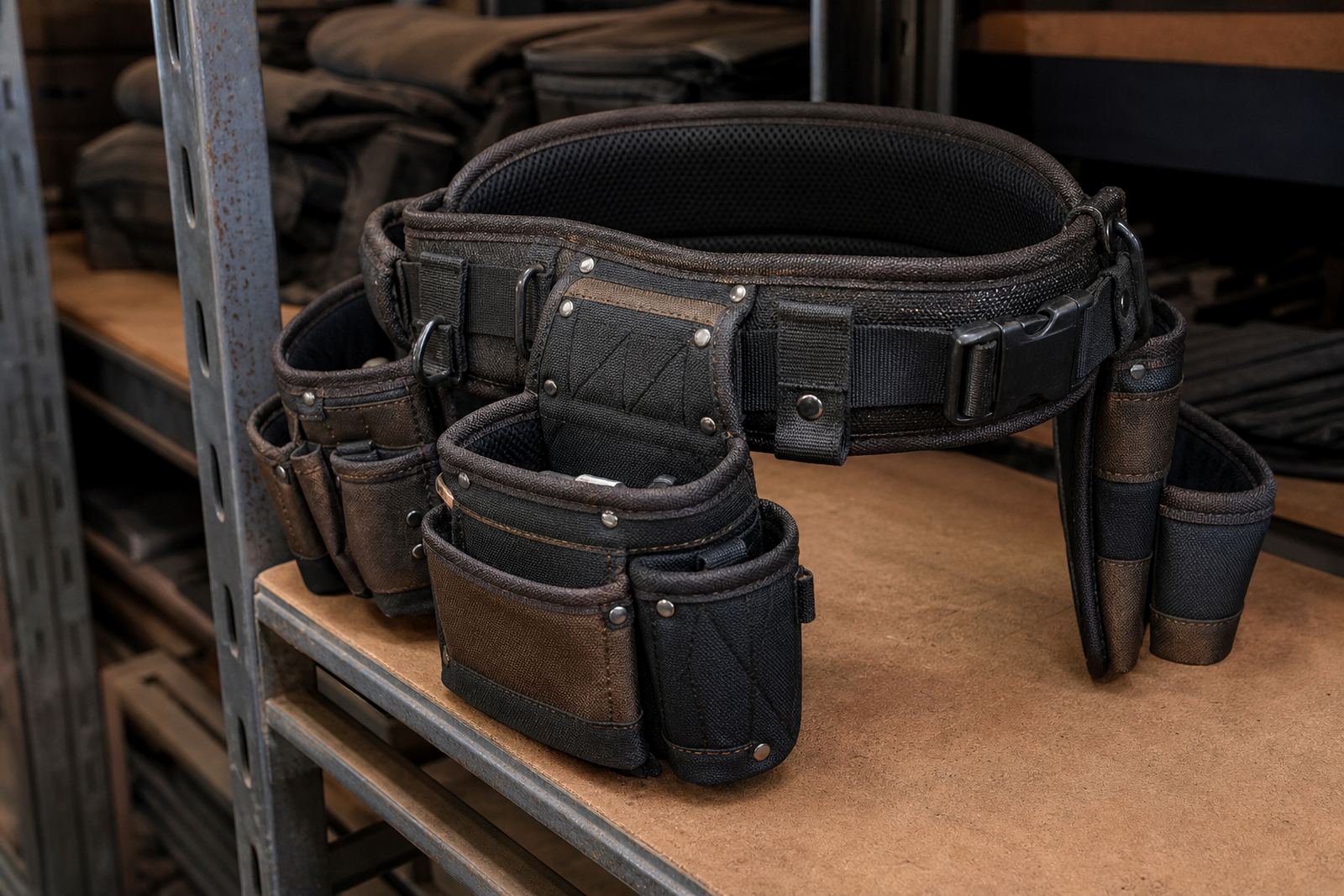
A padded belt system is the base that carries the load, not just a strap around the waist. The padded section spreads pressure across a wider area, which helps when a builder or electrician is carrying hand tools, fixings, testers, fasteners and small parts from first light to knock-off time. On job sites in Alberton, Johannesburg and Pretoria, that extra comfort matters when you are climbing ladders, working off scaffolding or moving between rooms all day.
This system is suited to tradesmen who need a steadier fit than a plain belt can give. It helps reduce pinching at the hips and slipping at the waist, so pouches sit where they should. For crews working through load-shedding and rushed project schedules, a belt that stays put saves time and cuts down on fiddling. It is a practical piece of kit, not a luxury item, and it makes a difference when the pouch load gets heavy.
- Comfort padding for extended wear
- Even weight distribution across the waist
- Better support for heavier pouch layouts
- Suitable for builders, electricians and maintenance teams
Sizes and fit options for real site work
The right fit is important because a belt that is too loose moves around, while one that is too tight gets uncomfortable very quickly. This system is available in practical size options so it can match different body sizes, winter overalls, or lighter summer workwear. It should sit snugly at the waist with enough room to adjust after adding pouches and tools. If the crew uses layers on coastal jobs in Durban or Cape Town, allow for that extra bit of room.
When matching size, think about the tools you carry as well. A fitter carrying pliers, screwdrivers, tape and a tester needs a different setup from a carpenter carrying nails, bits and a hammer. The aim is to keep the belt centred and stable. A poor fit can pull the front down and strain the lower back, so it is worth checking the measurement properly before ordering. We often see customers under order one size smaller and then struggle once the pouches are loaded.
- Available in multiple waist sizes for a better match
- Adjustable for workwear, winter layers and repeat daily use
- Suitable for single pouch use or full trade setups
- Can be matched to team sizes for bulk orders
Where the padded belt system works best
This product suits building sites, electrical installs, fit-out work and general contractor jobs where tools need to be close at hand. It is also useful for maintenance teams, site supervisors who carry small tools, and crews doing repeated call-outs across Gauteng or longer runs into Polokwane and beyond. The belt works well when access matters more than carrying a full toolbox back and forth.
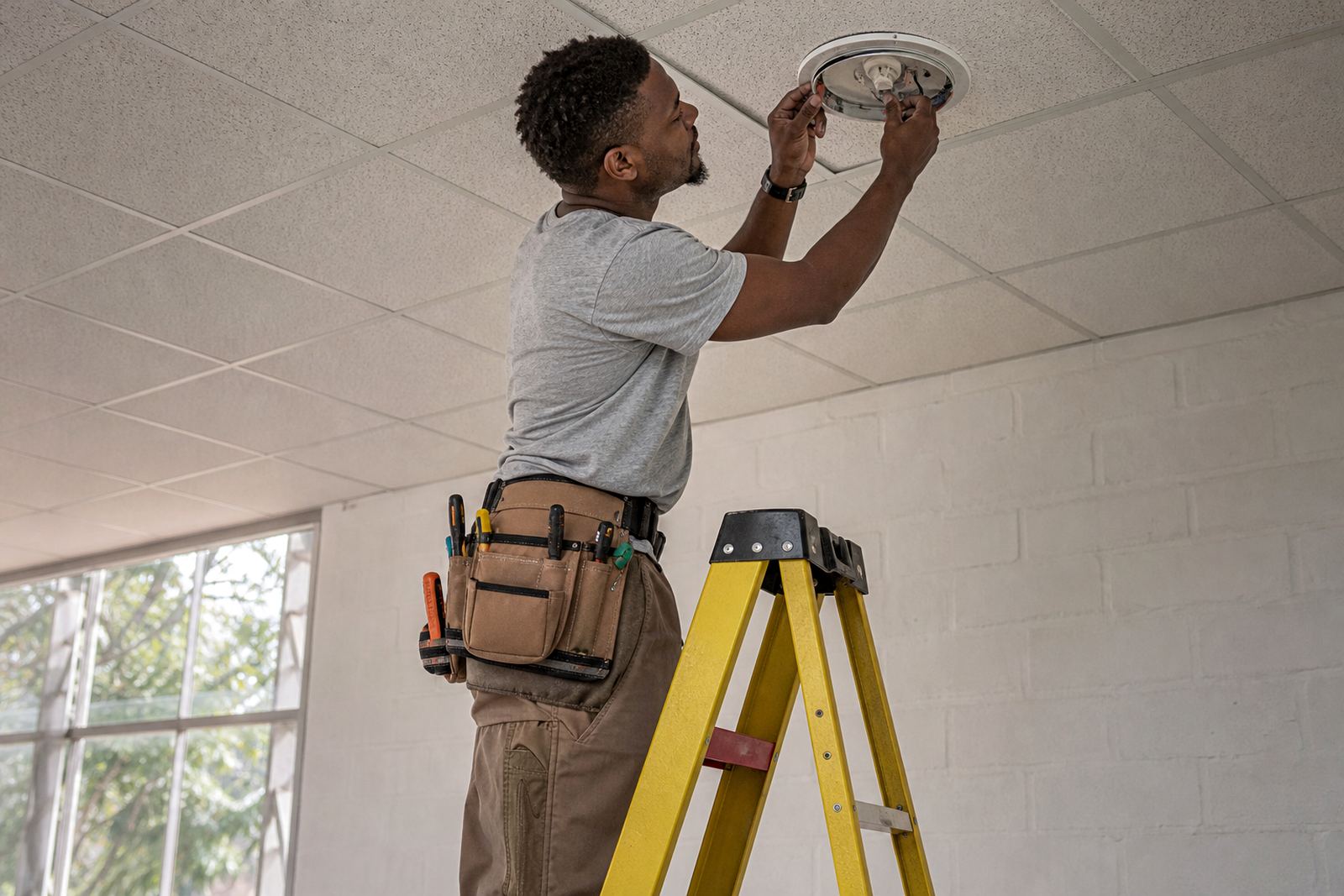
For electricians, it can support pouches for insulated hand tools, small terminals, screws and cable ties. For builders, it works well with nail bags, tape measures, chisels and fixings. If the work is uneven ground, stairwells, roof lines or quick punch-list jobs, the padded support helps keep movement easier. It is a practical fit for both indoor and outdoor work, including dusty sites and humid coastal conditions where gear gets used hard.
- Building sites and contractor work
- Electrical installation and maintenance
- Fit-outs, snagging and call-out work
- Team issue kits and project rollout supply
Installation and power or gas needs
The padded belt system does not need power, gas or charging. It is worn manually and set up by fitting the buckle or closure, then attaching the required pouches and holders. That makes it useful on sites where electricity is not yet live, during load-shedding, or on remote work where you need a simple solution that works straight away. No special tools are needed for normal use, though the attached pouches should be arranged to suit the tasks for the day.
For installation, make sure the belt sits level around the waist before loading tools. Start with the heavier pouch on the stronger side if that suits the user, then balance the opposite side with lighter items. Check that the buckle locks properly and that the padding lies flat without folding over. If the belt is used with a full kit, test movement by bending, climbing and reaching before heading to site. That small check prevents shifting once work starts.
- No electricity, batteries or gas required
- Simple fit-up with tool pouches and trade holders
- Useful on live sites and in load-shedding conditions
- Quick to set up for team issue or individual use
Care, cleaning and servicing between jobs
Good care keeps the belt comfortable and serviceable for longer. After dusty site work, brush off grit and wipe the padded areas with a slightly damp cloth. If the belt gets wet from rain or coastal moisture, dry it fully before storage so the padding does not hold damp smells or go stiff. Do not leave it packed under wet overalls or in a closed bakkie tray for days, especially in hot weather.
Check the stitching, buckle and adjustment points every so often, particularly if the belt carries a heavier setup. When a crew works full weeks in and out of trucks, houses and unfinished buildings, wear can happen at the edges first. The belt should still hold its shape and support the load without slipping. If it starts twisting or the padding compresses unevenly, it may be time to replace it. A quick inspection before Monday morning can save a lot of trouble later.
- Wipe down after dusty or dirty jobs
- Dry fully before storage to avoid damp damage
- Inspect stitching and buckle points regularly
- Rotate heavily used belts in team settings
What to check before you place an order
Before ordering, match the belt to the actual work pattern, not just the tool list. Check the waist size, the type of pouches being used, and whether the user needs extra padding for long shifts. A slim install kit is different from a heavy carry setup for builders who work with nails, drills, tape measures and marking tools every day. If the belt will be used with mixed trade kits, make sure the layout is planned properly from the start.
It also helps to confirm how many units are needed for the team, whether the order is for one site or several branches, and if delivery timing must match a rollout schedule. For contractors working across Johannesburg, Midrand, Centurion or Durban, the best option is often a matched order with sizing and pouch layout checked upfront. That avoids back-and-forth and keeps everyone working with the same standard. We can help with size matching, starter kit builds and stock replenishment plans, which is useful when a project ramps up fast.
- Waist size and padding comfort level
- Tool load and pouch layout requirements
- Single-user, team or contractor order quantity
- Delivery timing and site rollout needs
Key facts
| Product type | Padded utility belt system for tool pouches and nail bags |
|---|---|
| Primary use | Builders, electricians and site maintenance teams |
| Fit range | Multiple waist sizes with adjustable closure |
| Power or gas | Not required |
| Typical use load | Hand tools, fixings, testers, tape measures and small parts |
| Care | Wipe clean, dry fully and inspect buckle and stitching regularly |