Compact fastener carry for daily site work
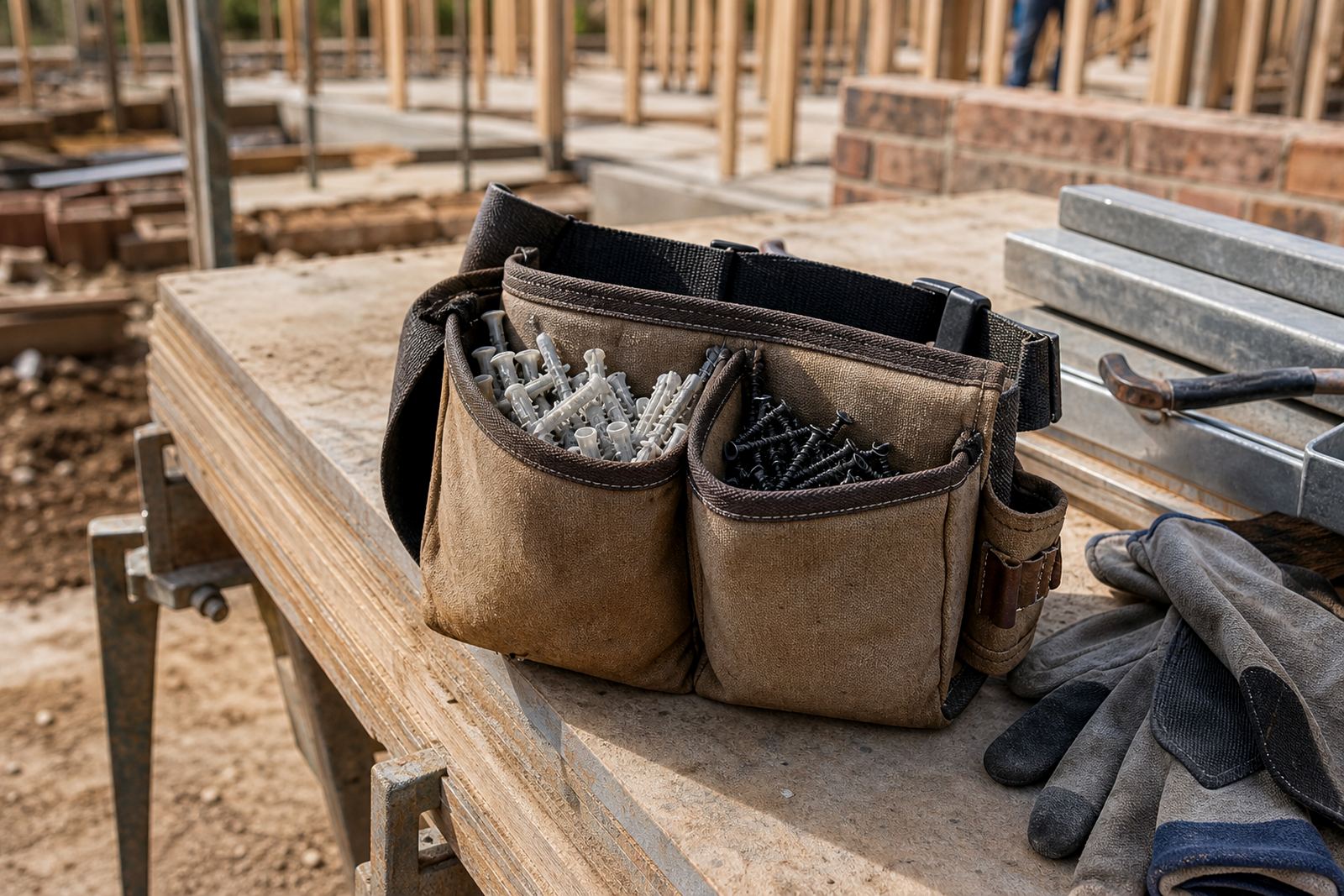
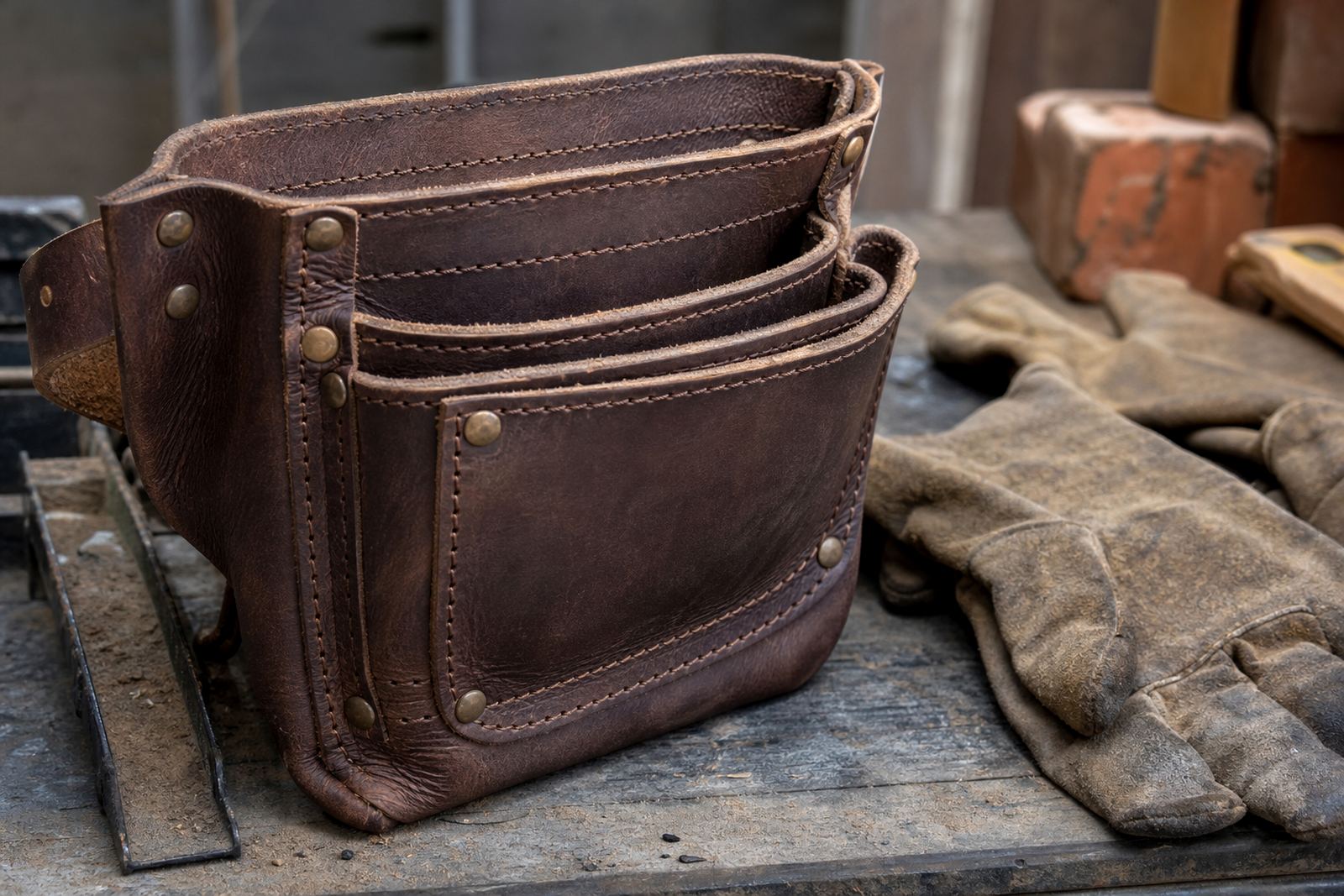
The bag is generally available in compact and medium sizes, with a simple open-top or flap-style format depending on the order requirement. Most customers choose a pouch that sits neatly on the hip without pulling the belt down. The right size depends on how many fasteners you carry at one time and whether you need room for a pencil, chalk, tape or a small scraper as well.
For contractors building team kits, we can help match the pouch size to the belt width and the type of work being done. A narrow pouch is often better for electricians who want less bulk, while builders on roofing or timber work may prefer a deeper pocket for nails and clips. If your team wears gloves, it is worth checking the mouth opening so items can be reached quickly and safely, even with dusty hands.
- Compact size for light carry and quick access
- Medium option for higher fastener counts
- Open-top or flap-style configurations available
- Suitable for standard utility belts and work belts
Best uses on South African building sites
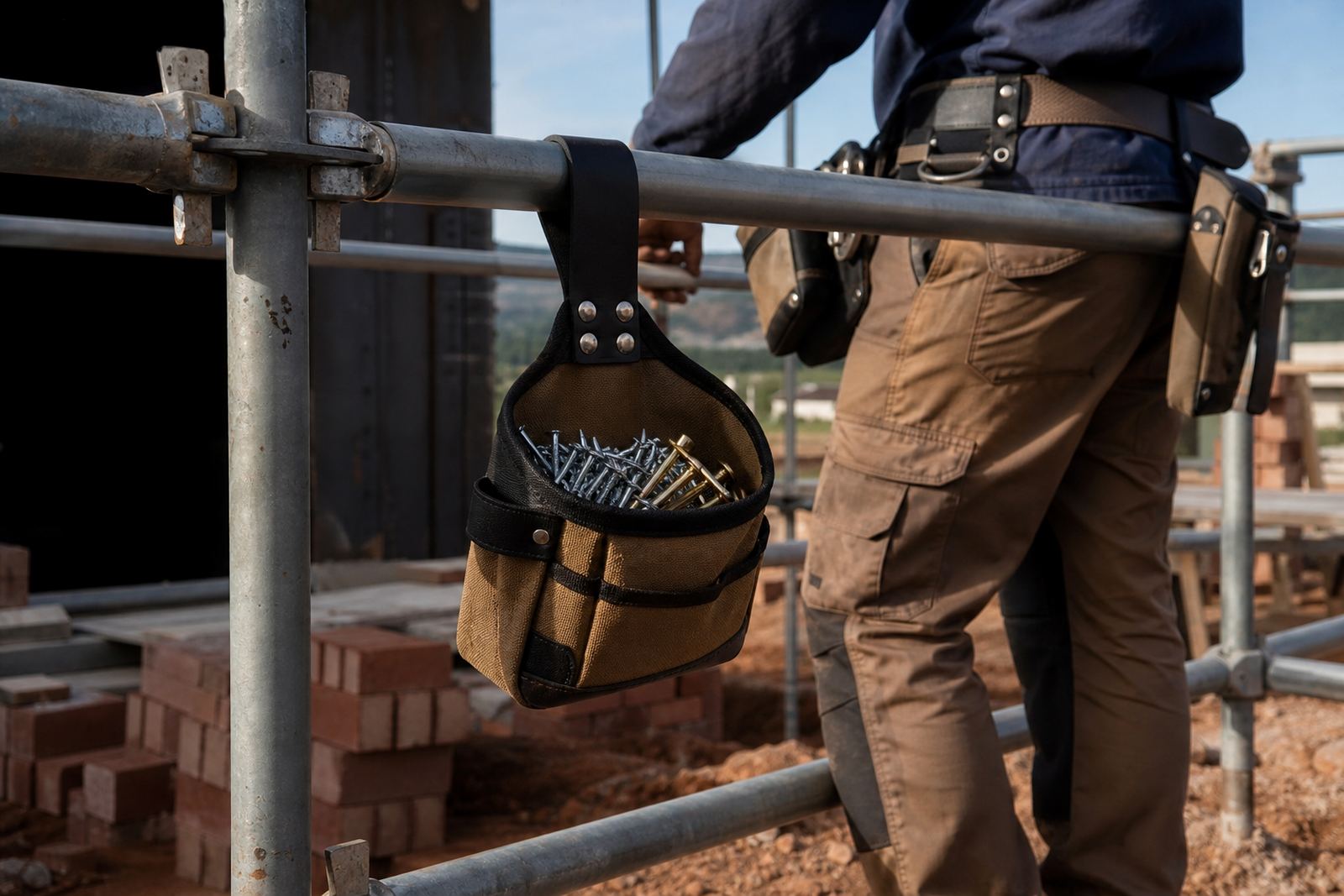
This pouch suits framing crews, roofers, renovators and electricians who need fasteners on hand while moving through a job. It is especially useful when one worker is feeding fixings to another, or when you are working from a ladder and do not want extra bulk around your waist. The bag is also handy for small maintenance teams doing tenant repairs, fence work or shopfitting where there is no need for a full heavy-duty pouch set.
Because site conditions vary across Gauteng, KZN and the Western Cape, practicality matters. In humid coastal areas, fasteners can rust quickly if left loose in a bucket. In dusty inland sites, small parts get lost fast. A single nail bag keeps the essentials together and easy to count at the end of the day. It also helps with stock control, especially when team leaders want to issue one pouch per worker for a specific task.
- Framing and roof work
- Electrical fitting and minor installation work
- General building, repairs and maintenance
- Shopfitting, site prep and contractor support
Fit, belt pairing and site comfort
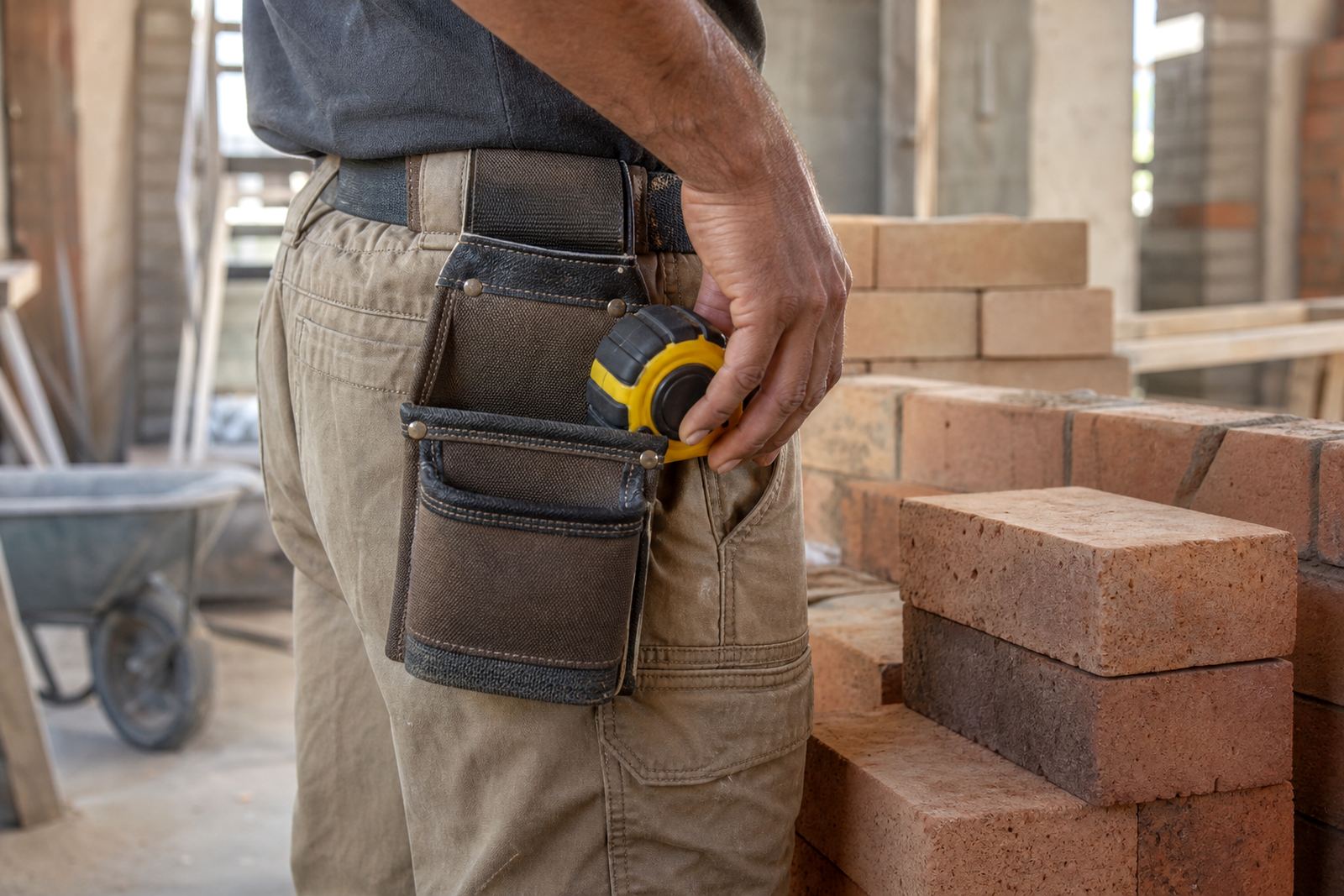
A good nail bag should sit flat against the body and not swing when you bend or climb. The belt should be sized so the pouch stays secure but still leaves enough room for a jacket, hoodie or work shirt underneath. If the belt is too loose the pouch can twist and make it harder to grab fasteners quickly. If it is too tight, it can dig in during a long shift, especially when working in heat.
For teams ordering in bulk, belt size matching is worth doing before the goods go out to site. A proper fit improves comfort, reduces strain and makes the pouch easier to use across an entire crew. When fitting a new pouch, check the position on the hip, the clearance around the thigh and how it moves when squatting or climbing. Small changes in placement can make a big difference on a 9 hour shift.
- Works with standard utility and tool belts
- Should sit flat without twisting
- Fit should allow bending, climbing and kneeling
- Bulk orders can be matched by belt size
No power or gas required
The Single Nail Bag does not need electricity, batteries or gas, so it can be used anywhere on site without setup. That makes it a practical choice during load-shedding, on remote projects, and on jobs where power tools are not in use for every stage of the work. It is ready when the worker is ready.
There is no installation as such, only correct fitting to the belt and a quick check before the shift starts. Make sure the pouch is attached securely, the stitching is sound and the pocket opening is clear of debris. If the bag is used with gloves, check that the opening is still easy to access. For teams rotating between tasks, it helps to keep the pouch assigned to one role so contents stay organised and nothing gets mixed up on site.
- No electricity required
- No gas or charging needed
- Simple belt attachment
- Ready for use during load-shedding or remote work
Care, servicing and what to inspect before ordering
To keep the pouch in good condition, empty it after the shift and shake out dust, grit and nail fragments. Wipe the surface with a damp cloth and let it dry fully before storing. In coastal areas it helps to avoid leaving damp metal fixings inside overnight, as moisture can cause rust and mark the inside of the pouch. If the bag gets covered in concrete dust or sawdust, a quick brush-out before storage will help it last longer.
When ordering, check the pocket depth, belt width, stitching and material finish. Ask whether the pouch suits your work type, whether you need open or covered access, and how many units are needed for the crew. For contractor orders, it is also worth confirming delivery location, whether you need mixed trade kits, and if stock replenishment is needed on a rolling basis. A short check up front saves time later and keeps the team working without interruptions.
- Check pocket depth and fastener capacity
- Confirm belt width and fit
- Review stitching and edge finish
- Plan delivery and replenishment needs before ordering
Key facts
| Product type | Single-pocket nail bag for fasteners and small parts |
|---|---|
| Typical use | Framing, roofing, general building and maintenance work |
| Carry style | Hip-mounted pouch for use with a utility belt |
| Material | Hard-wearing work-grade material for daily site use |
| Power or gas requirement | None |
| Order support | Bulk team orders, belt size matching and delivery planning |