What the Split Pocket Nail Bag Does On Site
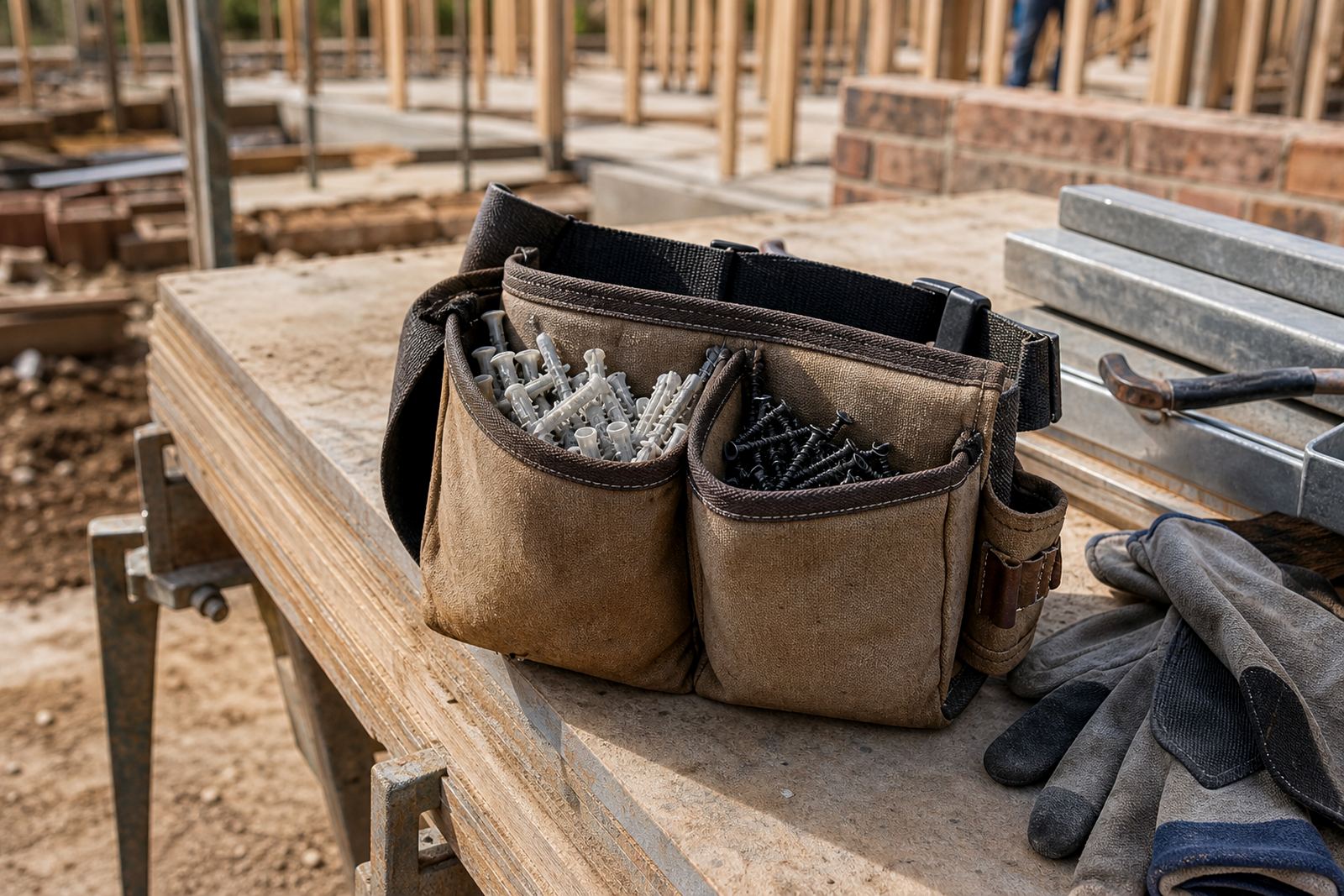
This divided nail bag is made for separating small fixings into clear sections, so screws stay apart from anchors, nails, plugs and other fasteners. That simple layout helps on busy sites where you are moving between roof work, conduit runs, fixings and general repairs. It is the kind of bag that saves time when you are working in heat, dust, or after load-shedding when everyone is trying to finish before dark.
The main value is sorting. Instead of one open pouch where everything mixes together, the split design gives you quicker access and fewer dropped items. It also helps reduce wasted stock, because you can see what is left at a glance. For teams working on municipal jobs, fit outs or maintenance work, that makes job pack control much easier.
Pocket Layout, Size Options And Carry Comfort
The bag is typically supplied in practical worksite sizes with a compact profile that sits close to the body. That helps when climbing ladders, bending into plant rooms, or carrying boards and conduit through tight access points. A good split pocket layout should feel balanced once loaded, not top heavy or swinging around while you move.
- Separate pocket sections for nails, screws, anchors and small fittings
- Main compartment for mixed fasteners or larger fixings
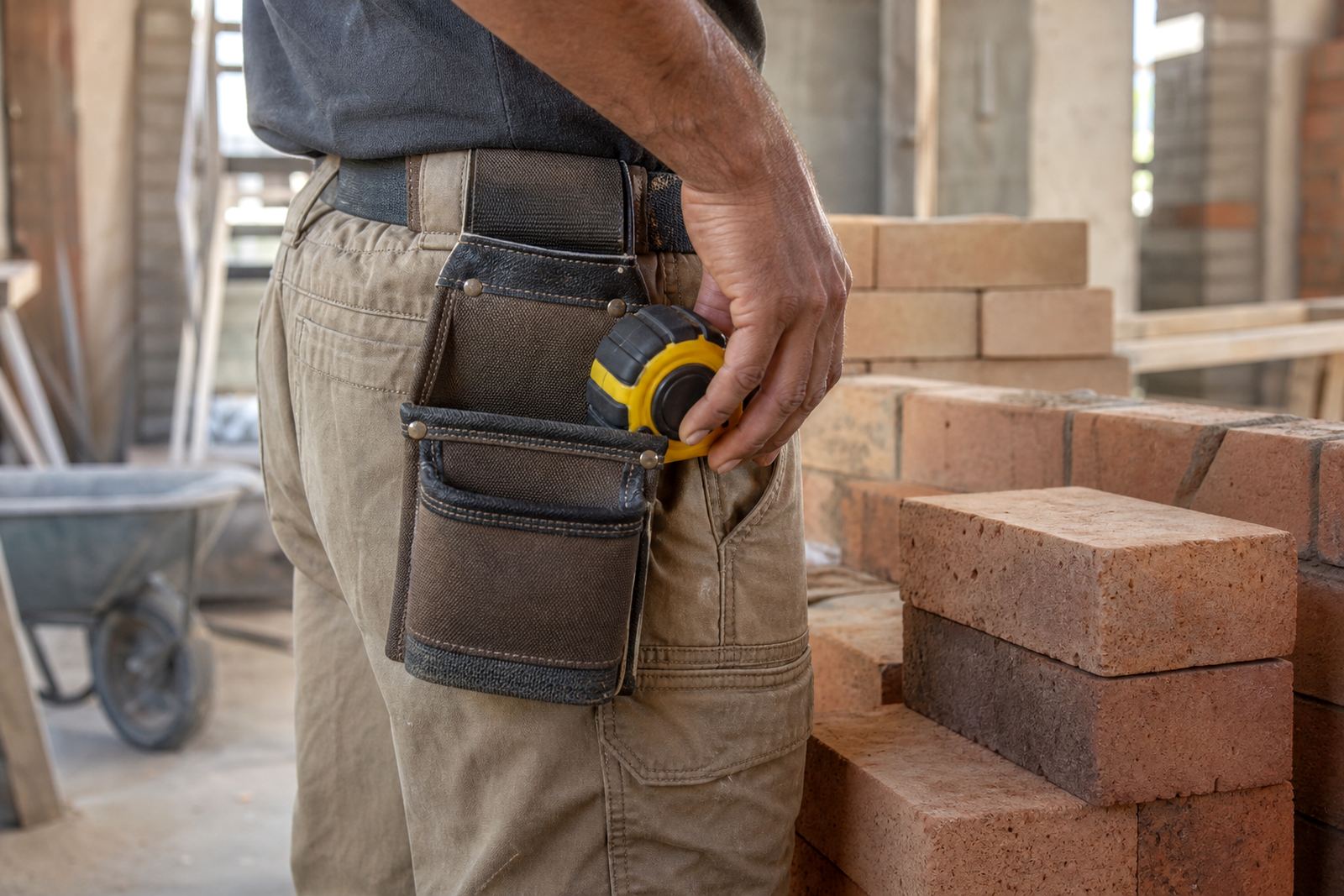
- Front access for quick grab items like chalk, pencils or a tape measure
- Reinforced stitching at stress points for daily use
- Waist belt compatibility for adjustable fit over workwear
For teams in Gauteng and coastal areas alike, comfort matters because the bag may be worn for long shifts. A secure fit also matters on ladders and scaffold, where loose gear becomes a nuisance very quickly.
Where It Suits Builders, Electricians And Maintenance Teams
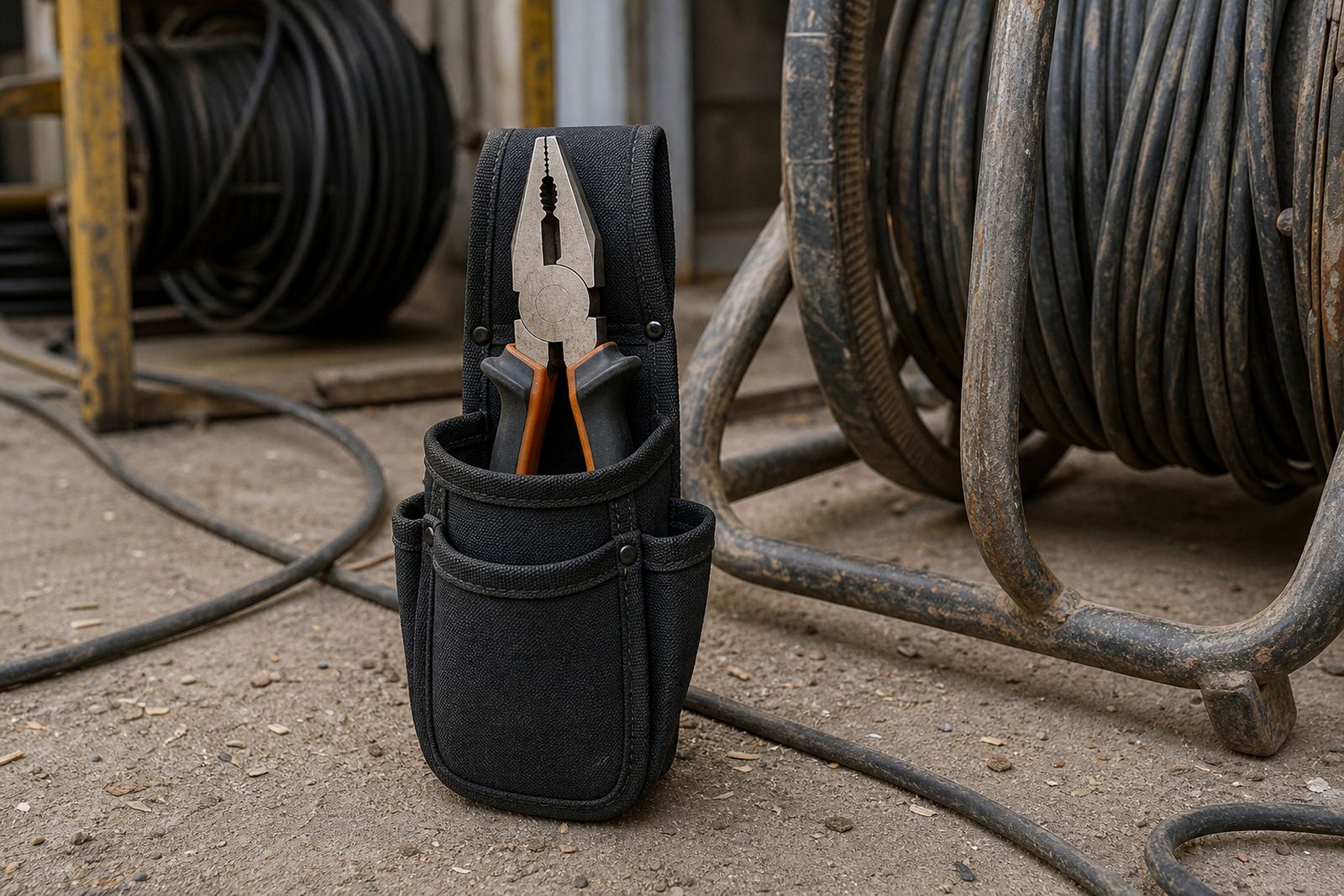
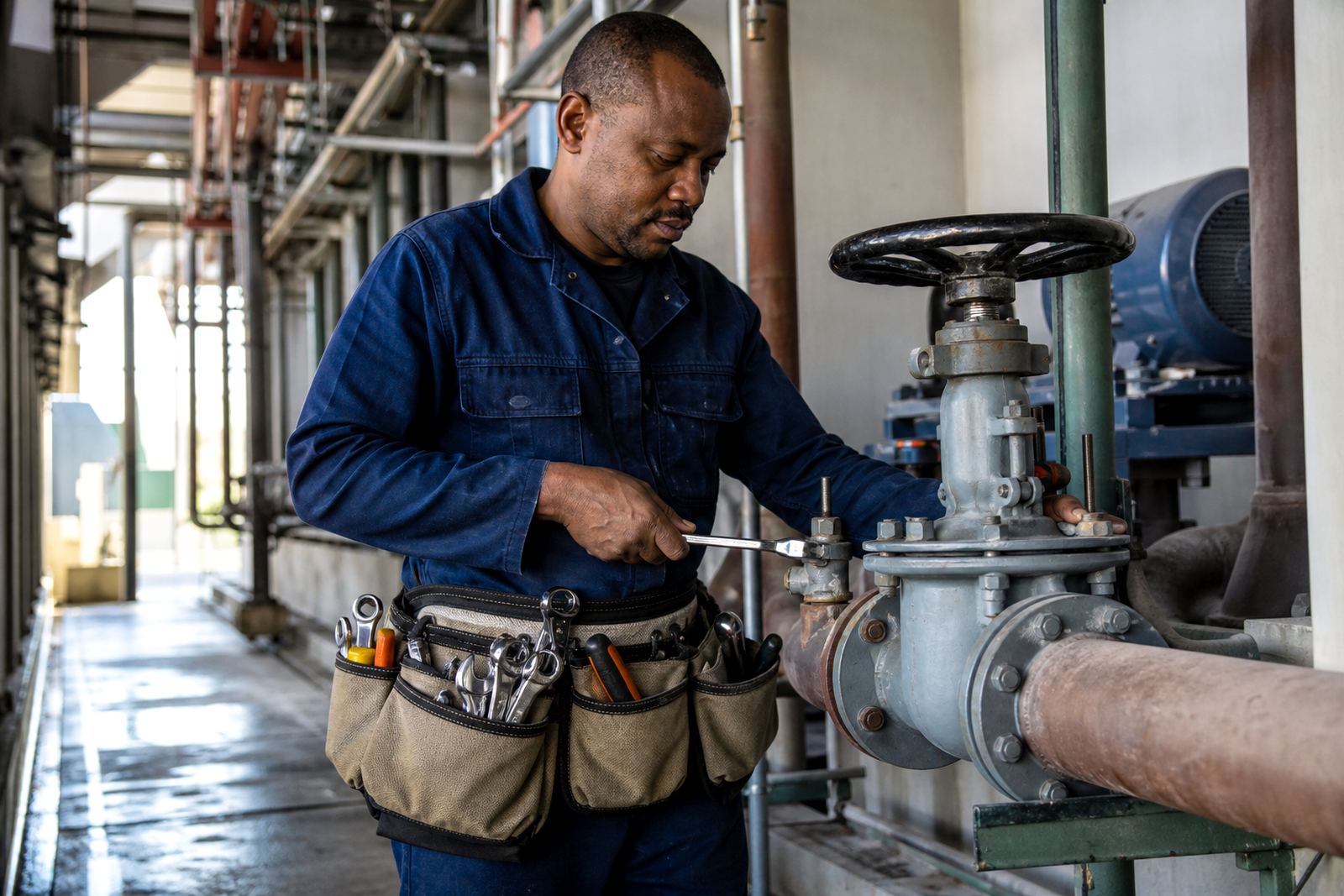
This type of nail bag suits bricklayers, carpenters, roof crews, electricians and general contractors who need hand tools and fixings close by. Electricians often use it for screws, wall plugs, cable clips and small hardware. Builders may keep nails, anchors and spacers separated so site work stays tidy and organised.
It is also useful for property maintenance teams, sectional title complexes and small contractors working across Johannesburg, Pretoria, Durban, Cape Town and Polokwane. On commercial sites, a cleaner pouch layout makes it easier to issue stock to individual workers and track what is being used. That can cut down on repeat trips to the tool store, which is never ideal when rain starts or a delivery is late.
- Residential renovations and repairs
- New build work and snagging
- Electrical installation and fault-finding support
- Site maintenance and contractor call-outs
- Small team rollouts with matching pouch sets
Installation, Belt Fit And Power Requirements
This product does not need power, gas or charging. It is a manual carry item that attaches to a compatible utility waist belt or tool belt, depending on the setup you choose. The key is making sure the belt width and buckle style match the pouch loops or clips so the bag sits securely and does not shift during movement.
For best use, fit the pouch on the dominant side you prefer for grab access, then test it with a normal load before heading to site. If you wear gloves often, check that the pocket openings are still easy to reach. In hot weather, especially on the coast, a secure but not too tight fit helps reduce rubbing and keeps the bag more comfortable over the day.
Care, Cleaning And Daily Servicing
To keep the bag in working order, empty it daily or at the end of each job and knock out dust, grit and offcuts. Wipe the surface with a damp cloth if it picks up plaster dust, cement residue or oily marks. If it gets wet in the rain, dry it out before storing it away. Leaving it damp can shorten the life of the material and hardware.
Check the stitching, pocket edges and belt points regularly. If a pocket starts to sag or a seam opens, it is better to repair it early than lose fasteners on site. A small tear can become a bigger problem after a few weeks of heavy use, especially on rough brickwork and scaffolding. Keep a spare in the vehicle if your team works across multiple jobs in a day.
- Brush out dust after each shift
- Do not overload beyond a practical working load
- Store in a dry place away from direct sun when possible
- Inspect fastenings before site rollout
What To Check Before You Order For Your Team
When ordering a split pocket nail bag, check the pocket count, overall size, belt compatibility and whether the layout suits your trade. Builders often want more open space for mixed fixings, while electricians may prefer tighter compartments for small hardware. If your team works in different areas, a shared standard can make stock control easier.
Also consider whether you need single items, mixed trade kits, or bulk supply for a full crew. For project rollout supply, it helps to confirm belt sizes, preferred pocket placement and how many workers need matching sets. If your jobs vary between residential, commercial and municipal work, ask for selection advice based on site use rather than just the cheapest option. A slightly better fit usually pays off in the field.
- Confirm pocket split and inside layout
- Check belt size and fastening style
- Choose material weight for your work conditions
- Match the bag to nails, screws or electrical fixings you carry most
- Order extras for replacements and team spares
Key facts
| Product type | Divided nail bag with split pocket layout |
|---|---|
| Primary use | Separates nails, screws, anchors and small fixings |
| Fit | Compatible with most utility waist belts |
| Power or gas needed | None |
| Use environment | Construction sites, maintenance work, electrical installs and general contracting |
| Care | Brush out debris, wipe clean and dry before storage |