Built for mixed maintenance jobs
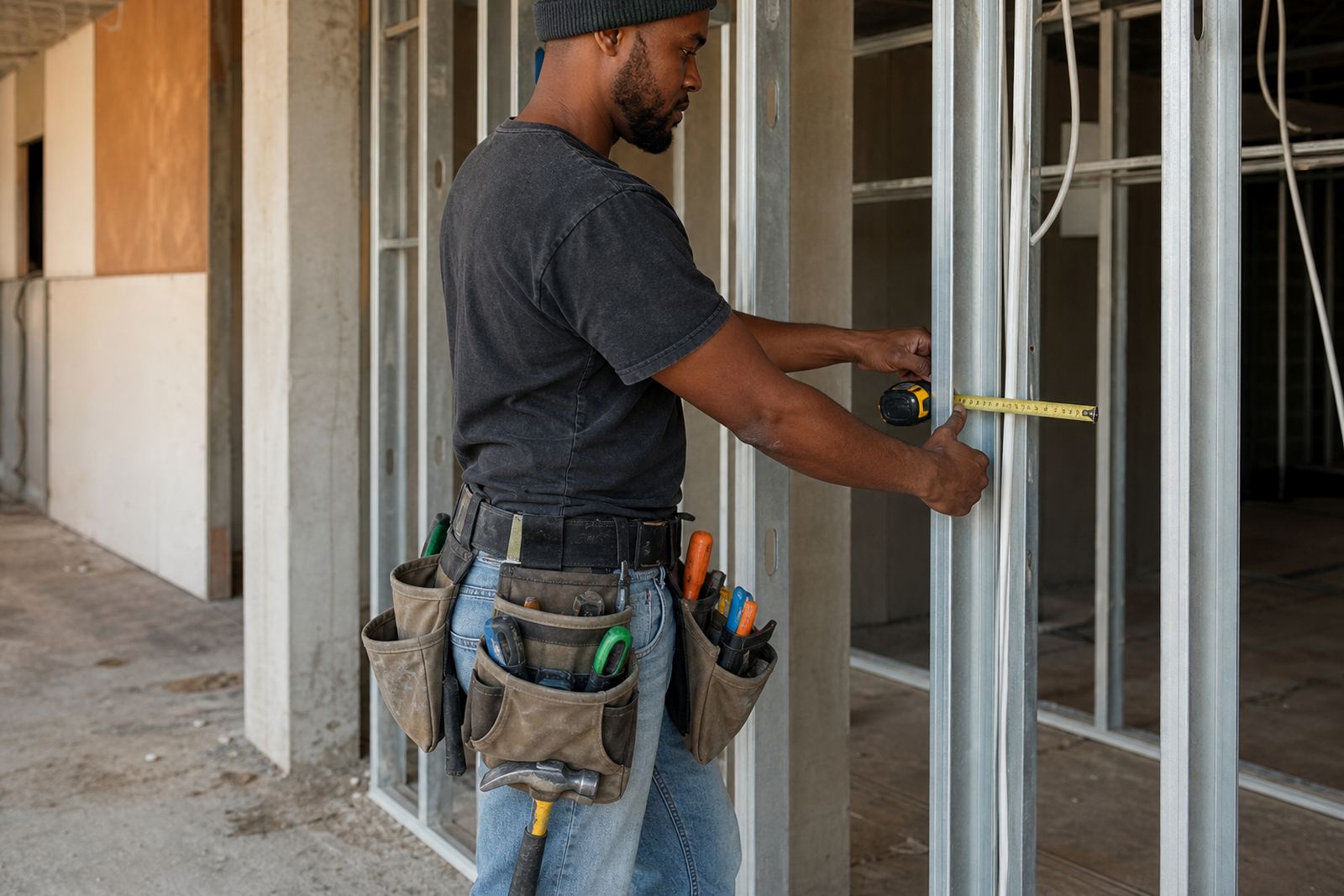
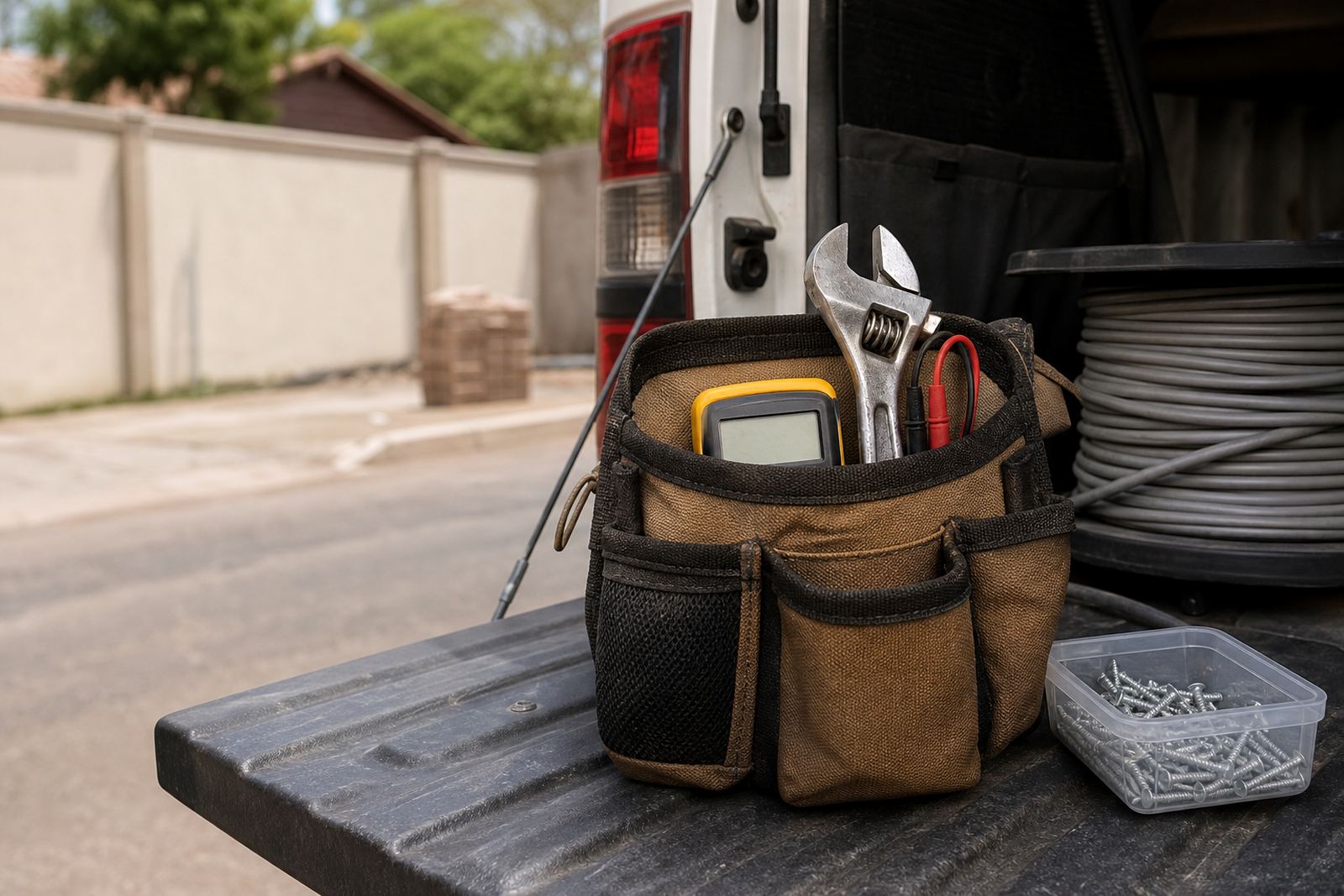
This waist pack is made for people who move between repairs, installs and callouts all day. It suits builders, electricians, handymen and maintenance teams who need quick access to screwdrivers, pliers, terminals, fasteners, tape and a small tester without carrying a full toolbox everywhere.
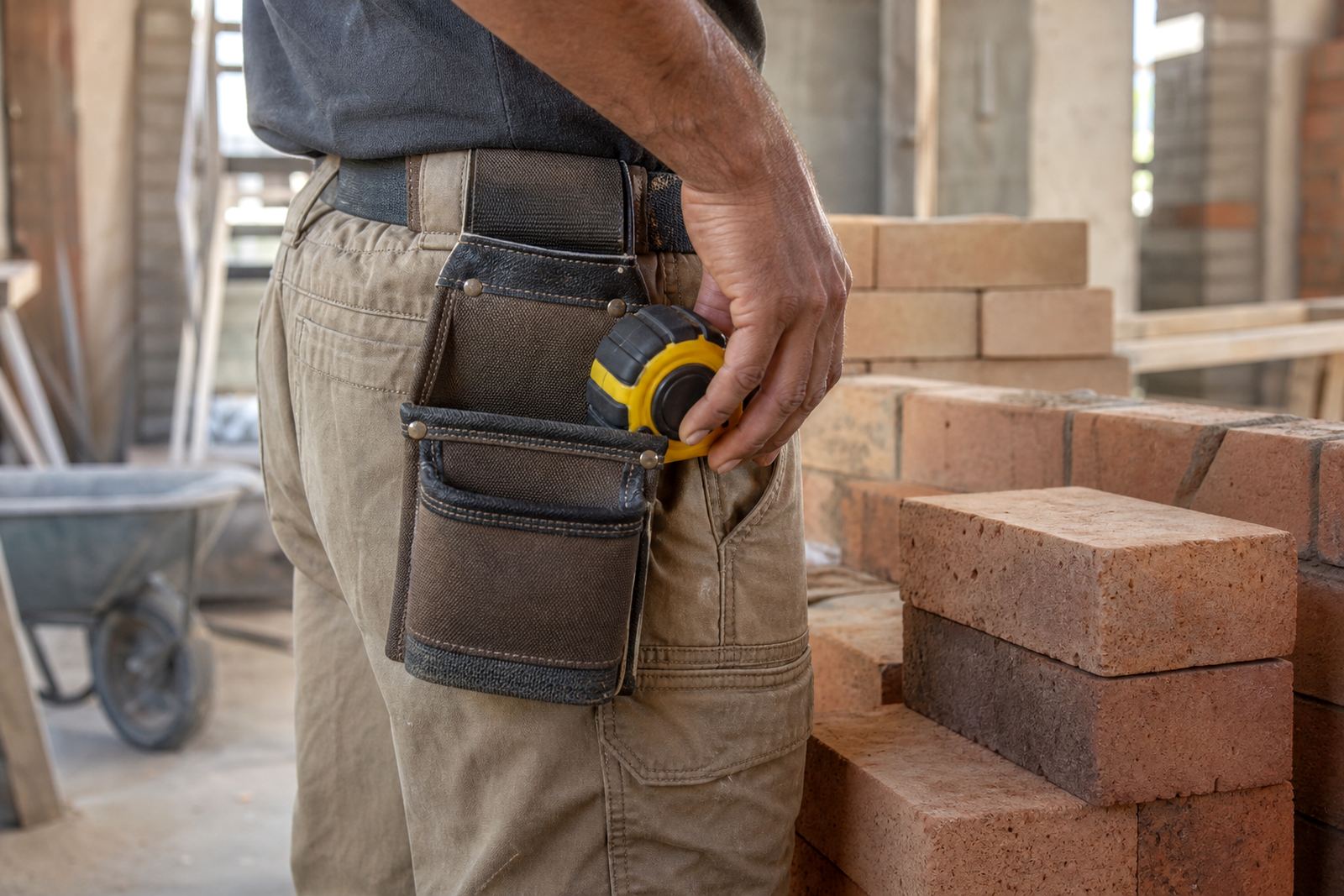
The layout is practical rather than oversized. You get a main pouch for bulkier items, front and side pockets for smaller parts, and a working position that sits at the waist instead of hanging too low. That matters on ladders, in plant rooms and in tight ceiling spaces where a long pouch gets in the way.
For South African sites, where you may work through load-shedding, wet weather or dusty conditions, a waist pack like this helps keep essential tools on your body and off the floor. It is also useful when moving between units in flats, shopping centres or office parks where you need to stay neat and quick.
Sizes, fit and layout options
The Maintenance Waist Pack is available in practical waist sizes to suit different body types and over-clothing wear. It is commonly ordered with an adjustable belt for use over work trousers, jackets or hi-vis gear. If your team wears winter layers in Gauteng mornings or lighter kit in Durban heat, the same pack can usually be adjusted to fit properly.
When choosing a size, think about what you actually carry. A slim fit works well for light service calls, while a wider pouch setup is better for teams carrying fixings, blades, bits and small spares. Some users prefer a left-side dominant layout, while others want mirrored pouches for left or right hand use.
- Adjustable waist belt for a secure fit
- Balanced pouch spacing for even weight distribution
- Low profile shape for movement in confined spaces
- Suitable for mixed hand tool and small parts carry
If you are ordering for a crew, it is worth matching pouch layout to the actual task mix. A good fit reduces fatigue and stops the pack swinging around when climbing stairs or moving between jobs.
Where it works best on site
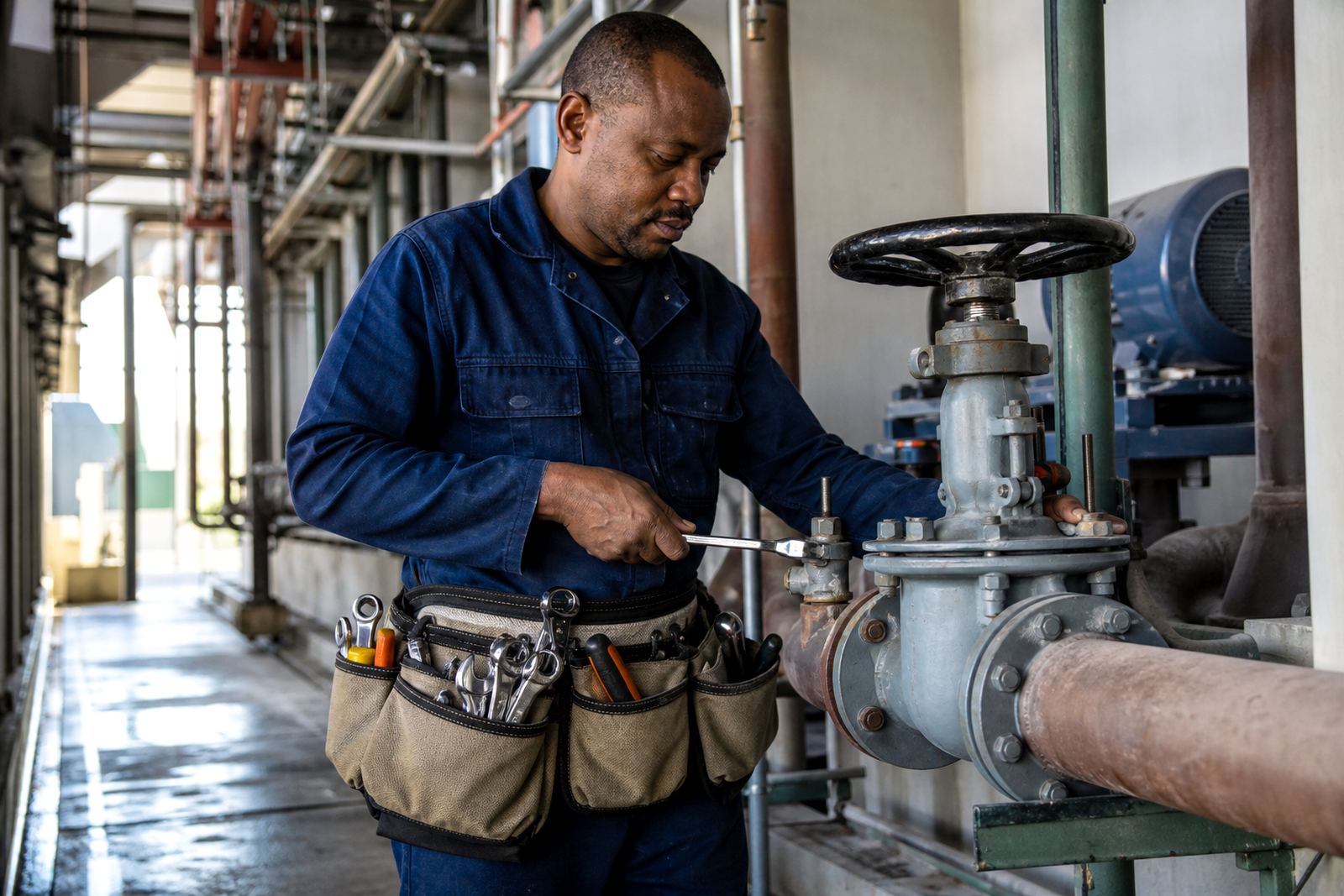
This product suits day-to-day maintenance in offices, homes, small factories, warehouses and body corporate sites. It works well for callout teams that handle minor electrical repairs, door hardware adjustments, fixture replacements, plaster patch prep and general handyman work. Because the pack keeps fasteners and tools separated, you spend less time rummaging around between tasks.
It is a strong choice for electricians who need somewhere to carry connectors, markers, a small metre and cutters, and for builders who want nails, screws, chalk, tape and a knife within easy reach. In commercial properties, where access windows can be short, that kind of organisation saves time.
- Commercial maintenance and facilities teams
- Residential repairs and installation work
- Light industrial upkeep and quick fix jobs
- Contractor callouts across Gauteng, KZN and the Western Cape
For coastal work in Cape Town or Durban, the pack should be dried after exposure to damp conditions. In dusty inland areas around Alberton, Pretoria and Polokwane, regular cleaning helps stop grit from wearing the stitching and pockets.
Tools, power access and job setup
The Maintenance Waist Pack is designed to support hand tools and small site essentials rather than heavy powered equipment. It does not replace a drill bag or a full maintenance caddy, but it is ideal for the parts and tools you need within arm's reach. For electrical work, many users carry insulated hand tools, connectors, test leads, cable ties and a compact penlight. For builders, it can hold nails, screws, a measuring tape and marking gear.
If your work depends on power tools, battery chargers or gas-powered equipment, keep those items separate and use the waist pack as your front-line carry system. That keeps the pack lighter and stops unnecessary strain on the belt. On sites with limited power during load-shedding, quick access to manual tools matters even more because you can keep moving while equipment is off-line.
- Best used with hand tools and small consumables
- Not intended for heavy loads or large battery packs
- Useful as a support pack alongside drill bags and carry cases
- Works well for quick access during power interruptions or timed site access
For gas work or any trade involving sealed systems, always follow site rules and manufacturer procedures for the equipment you are carrying. The pack supports the job, but it must not interfere with safe access or required PPE.
Durability, care and servicing
A maintenance waist pack gets knocked, scraped and exposed to dust, paint, grease and rain. For that reason, it should be checked regularly for stitching wear, loose rivets, bent clip points and cracked belt fittings. If you use it on brickwork, steel framing or rough concrete, small cuts can build up over time and should be caught early.
Cleaning is simple. Empty the pockets, shake out debris and wipe the outer surfaces with a damp cloth. If there is cement dust or plaster on the fabric, let it dry first, then brush it off rather than rubbing it in. After wet work or coastal use, dry the pack fully before storing it. That helps prevent smell and keeps metal parts in better condition.
- Check belt buckle and adjustment points weekly
- Remove metal filings, grit and loose nails after each job
- Dry thoroughly before storage in humid conditions
- Replace worn clips or straps before they fail on site
For teams running regular maintenance rounds, simple servicing habits extend the life of the pack and keep it comfortable. A well kept waist pack is easier to wear for a full shift and less likely to drag or twist under load.
What to confirm before ordering
Before you place an order, look at what your team actually carries and how they work. The right waist pack depends on tool length, pocket count, belt width and whether the user prefers a compact pack or a wider utility layout. If you are fitting out a mixed team, it helps to group workers by task rather than ordering one size for everyone.
Also check whether the pack needs to work over winter clothing, hi-vis gear or safety belts. On some sites, especially in commercial and municipal environments, the setup must stay neat and not interfere with access control, harnesses or PPE rules. That is especially important for electricians and contractors who move between indoor and outdoor areas.
- Confirm waist size and belt adjustability
- Decide how many pockets and loops are needed
- Check if the user carries hand tools, fixings or both
- Match the pack to site conditions, including dust, rain and coastal humidity
- Consider bulk ordering for teams, rollouts or stock replenishment
If you are ordering for Alberton, Johannesburg, Pretoria, Durban, Cape Town, Polokwane, Midrand or Centurion, our team can help with practical selection so the pack suits the job from day one.
Supply for teams, branches and project work
Waistbags Pro supplies maintenance waist packs to builders and electricians across South Africa, with support for bulk team orders, starter kit builds and mixed trade kits. Whether you are buying for a small contractor crew or setting up a larger rollout, the aim is to keep the order practical, consistent and ready for site use.
From our Alberton base, we support supply into Johannesburg, Pretoria, Durban, Cape Town and Polokwane, plus Midrand and Centurion. If you are planning a site-specific selection, we can help match the pack to the work type, the tool mix and the pace of the job. That makes it easier to keep stock moving and reduce last-minute shortages.
For repeated maintenance work, a correctly chosen waist pack becomes part of the daily routine. It keeps essentials where they belong, helps teams stay organised and makes it easier to work cleanly on busy sites.
Key facts
| Product type | Maintenance waist pack for mixed trade use |
|---|---|
| Primary use | Builders, electricians and maintenance teams |
| Carry style | Waist worn with adjustable belt |
| Typical contents | Hand tools, fixings, small spares and test accessories |
| Working environment | Commercial, residential and light industrial sites |
| Care | Wipe clean, dry fully and inspect fittings regularly |