
A small pouch for fast-moving service work
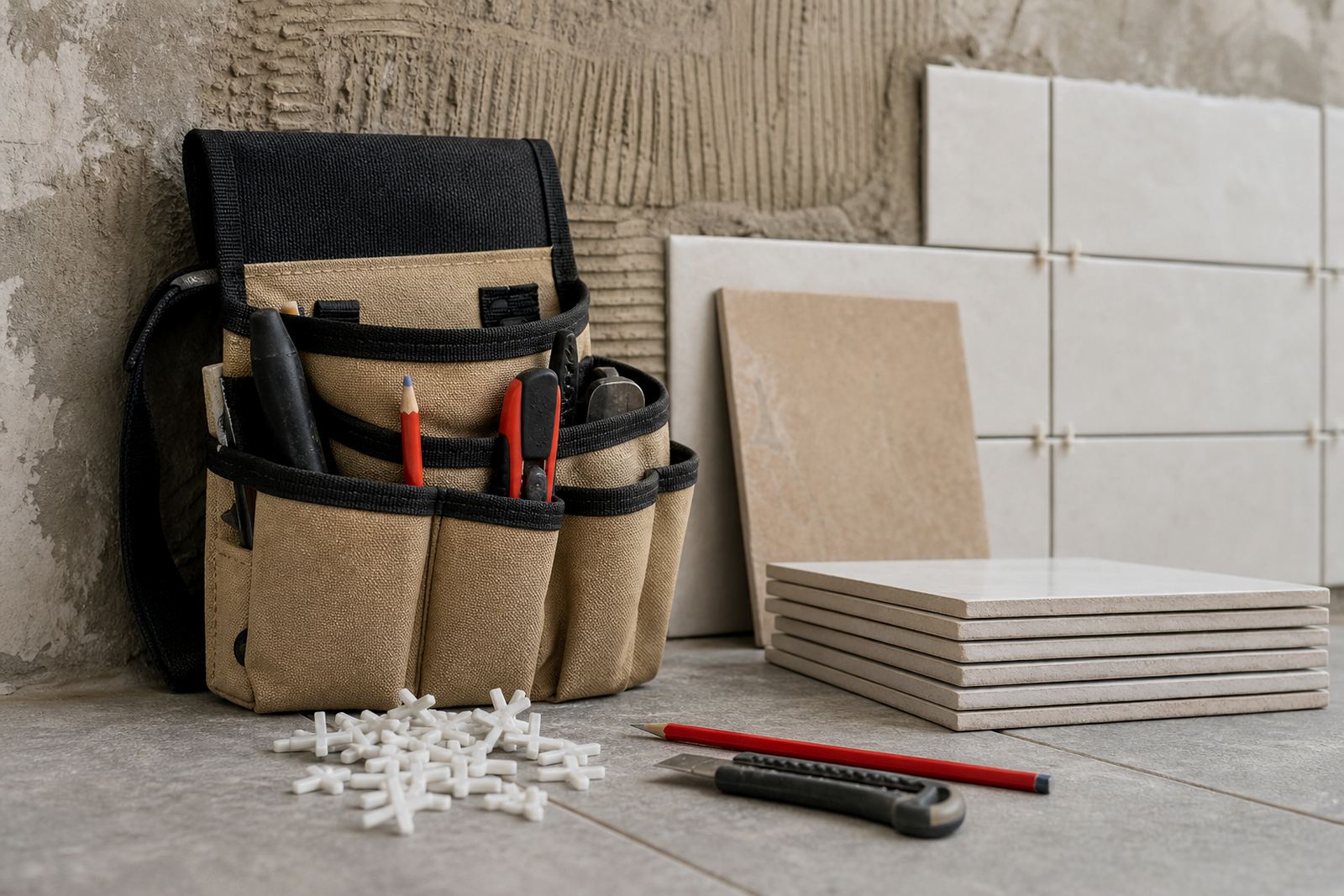
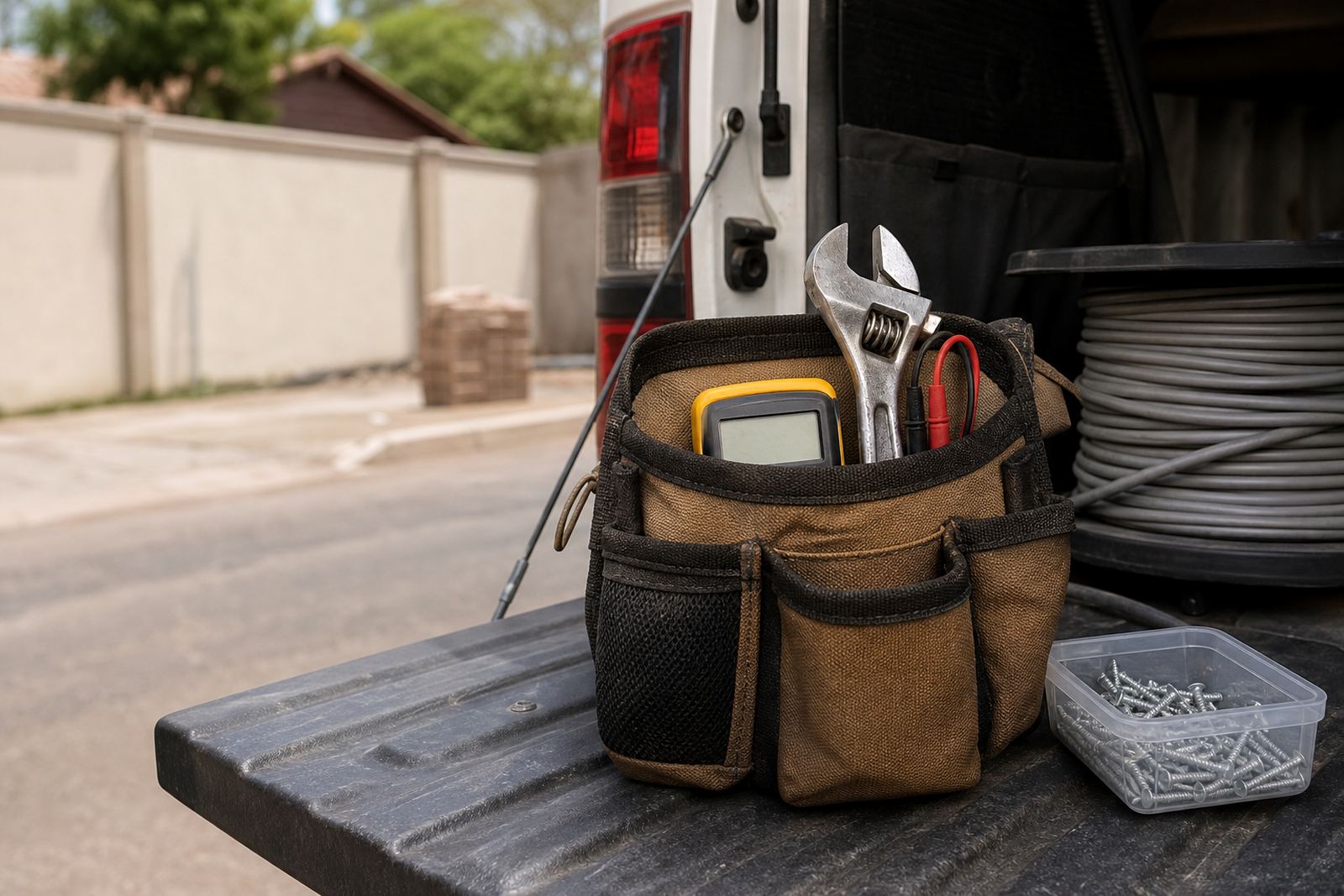
This compact pouch is designed for short repairs, fault finding and quick site visits where speed matters. It sits close to the body, keeps weight down and gives you just enough space for the tools you use most often on repeat call-outs. For electricians, that often means insulated screwdrivers, a compact tester, side cutters, a tape and a few terminals. For builders and maintenance teams, it can carry a pencil, knife, small pliers, screws and wall plugs.
The pouch is suited to technicians moving between flats, offices, workshops, shops and construction sites. In Alberton and the wider Gauteng area, many teams prefer a smaller carry solution for service jobs because it stays out the way when climbing ladders or working inside cupboards and ceiling spaces. It is practical in hot weather too, since less bulk means less sweat and less snagging on tight spaces.
- Low-profile layout for essential tools only
- Suitable for maintenance, fault finding and short repairs
- Easy to wear over work trousers or over light site clothing
- Useful for indoor work, corridor runs and quick access jobs
Size choices and pocket layout
The Compact Service Pouch is available in a single compact format with a practical pocket arrangement. It is built for order rather than volume, so smaller tools do not slide around or disappear to the bottom. The main compartment takes the everyday carry items, while the front and side pockets hold fasteners, bits, markers or a small torch. A reinforced divider helps keep sharp tools separated where possible.
For teams issuing kit to multiple workers, this style is often chosen as a standard service pouch because it is simple to train on and easy to restock. The layout also suits mixed crews working in Johannesburg, Pretoria, Durban, Cape Town and Polokwane, where one pouch has to handle different site conditions and job types. If your team needs a slightly different pocket balance, we can help match the pouch setup to the work you do most often.
- Main pocket for hand tools and test gear
- Front slot for markers, pencils or slim screwdrivers
- Small pockets for screws, wall plugs or terminals
- Loop or clip area for tape, clip knife or torch
Where it suits on site and on call-outs
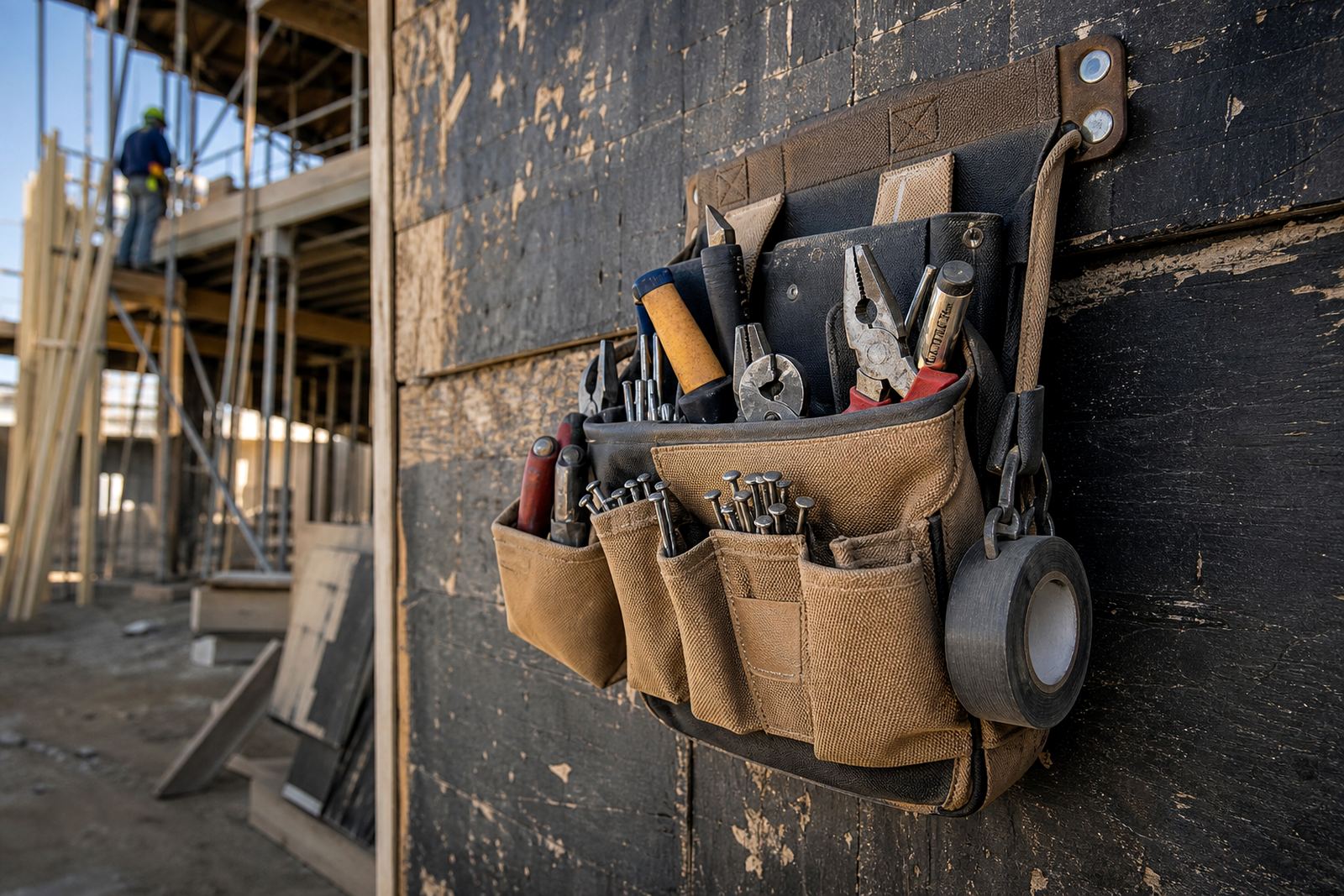
This pouch suits service work where the technician moves quickly from one task to the next. It works well for electrical call-outs in offices, housing estates, retail units and light industrial sites, as well as builder support work on punch lists and snag jobs. When load-shedding changes the pace of a job, a smaller pouch helps keep your top-use tools ready without dragging extra weight around all day.
It is also a sensible choice for teams that work around water exposure, dust or coastal humidity, because there is less gear exposed and less chance of tools being left in a bag in the van. In Durban and Cape Town especially, a compact layout is handy for technicians who need to move through tight plant rooms or service corridors without carrying a full trade rig. It is not a full all-day belt for heavy framing or large electrical installs, but for maintenance it does the job very well.
- Best for short service visits and repair work
- Good for electricians, maintenance crews and builders
- Handy in apartments, offices, shops and plant rooms
- Useful when you need to move light and work quickly
Installation and power or gas needs
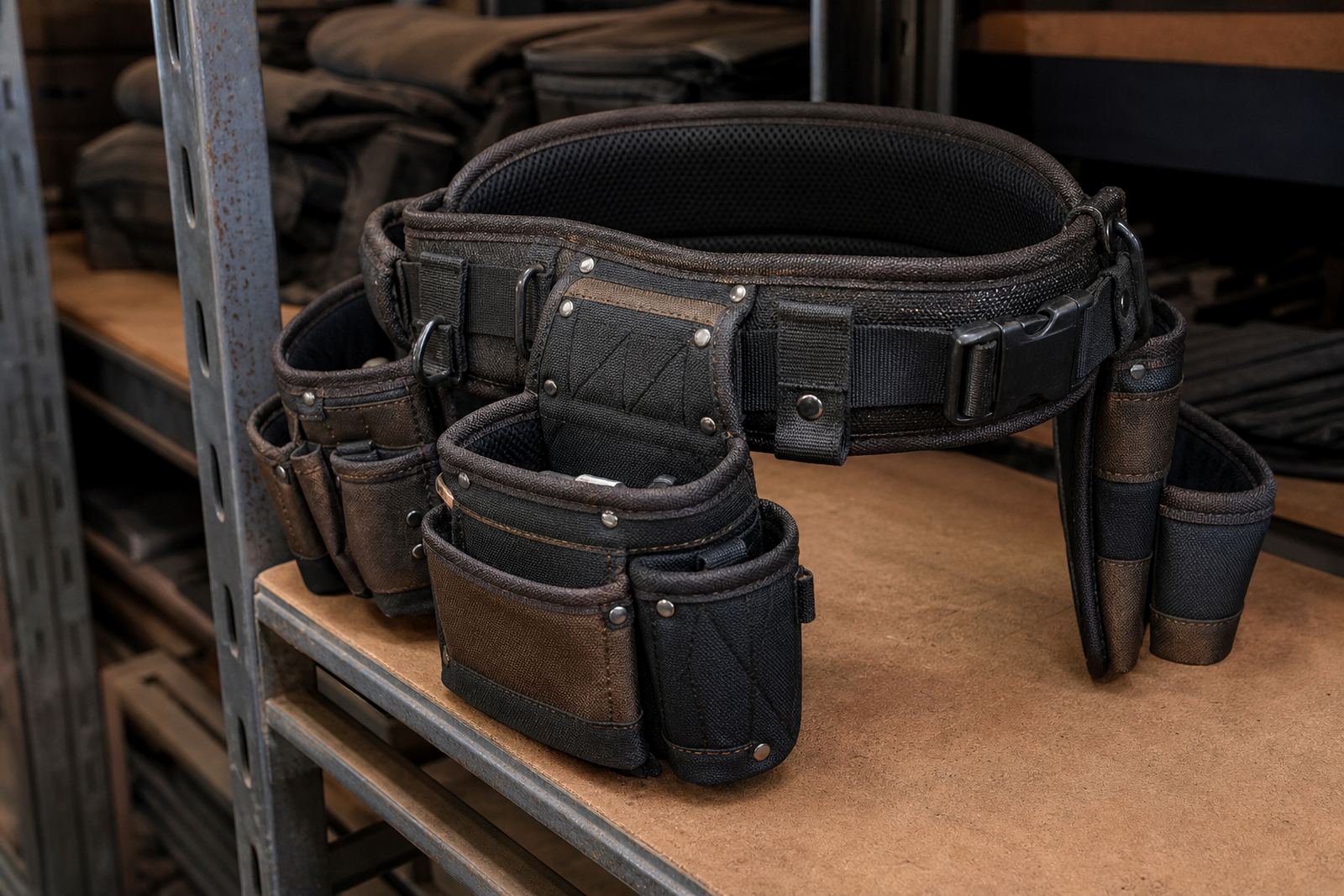
The Compact Service Pouch does not require installation, power supply or gas connection. It is worn on a belt or waistband and adjusted to suit the user. For safe use, the belt should sit snugly so the pouch does not swing when climbing, kneeling or reaching overhead. If the belt is too loose, the pouch can slip on the hips and become awkward during repetitive work.
When using the pouch with live electrical work, standard site safety rules still apply. Keep insulated tools in their proper condition, do not overload the pouch with mixed sharp items and avoid carrying loose metal parts that can damage tool handles. For gas-related maintenance tasks, carry only the tools needed for the specific job and keep ignition sources and loose fittings controlled according to site procedure. The pouch itself has no powered parts, so it can be used anywhere the wearer is permitted to work.
- No power connection required
- No gas connection required
- Wear with a correctly sized utility belt
- Keep sharp items stored so handles are protected
How to care for it between jobs
Regular care helps the pouch last longer and keeps it ready for the next call-out. Empty dust, plaster and screw offcuts at the end of the day. Wipe the inside and outside with a damp cloth if needed, then let it dry fully before storage. If the pouch has been used on a wet or dusty site, turn it out and check the seams, pockets and stitching for wear. Small repairs are easier to handle early than after a pocket splits on site.
For contractors working near the coast or in damp stores, avoid leaving the pouch in a wet van overnight. Moisture can affect tool handles and fasteners, and it can shorten the life of the belt hardware. Store it in a dry place and do not overload it with heavy tools that belong in a larger carry system. A compact pouch is made for light service use, not for loading up every tool you own.
- Shake out dust and debris after each shift
- Wipe clean with a damp cloth and dry properly
- Check seams, rivets and belt loops regularly
- Store dry and out of direct sun when not in use
What to confirm before you place an order
Before ordering, check the size of the belt or waistband you plan to use with the pouch. A compact pouch should fit securely without riding up or twisting. Also confirm what tools the wearer needs most often, because the right pouch for one technician may not suit another. An electrician doing quick diagnostics will need a different pocket balance from a builder doing light snag repairs.
It helps to know whether the pouch will be used for individual workers or for a team rollout. If you are ordering for a crew, consider whether you need matching pouches, mixed trade sets or a starter kit for new staff. For businesses across South Africa, we can help with bulk orders, size matching and project supply planning so the kit suits the job and the worker. One typo in the order list can slow things down, so it is worth checking the counts twice.
- Confirm belt size and wearer waist measurement
- List the exact tools and fasteners to be carried
- Decide if the pouch is for electrical or builder use
- Check whether you need single units or bulk supply
Key facts
| Product type | Compact service pouch |
|---|---|
| Primary use | Essential tools for maintenance call-outs |
| Typical users | Electricians, builders and maintenance teams |
| Carry style | Belt worn, close-fitting compact layout |
| Material profile | Durable work-grade fabric with reinforced seams |
| Best suited areas | Johannesburg, Pretoria, Durban, Cape Town, Polokwane and surrounding sites |