
Built for Daily Site Wear
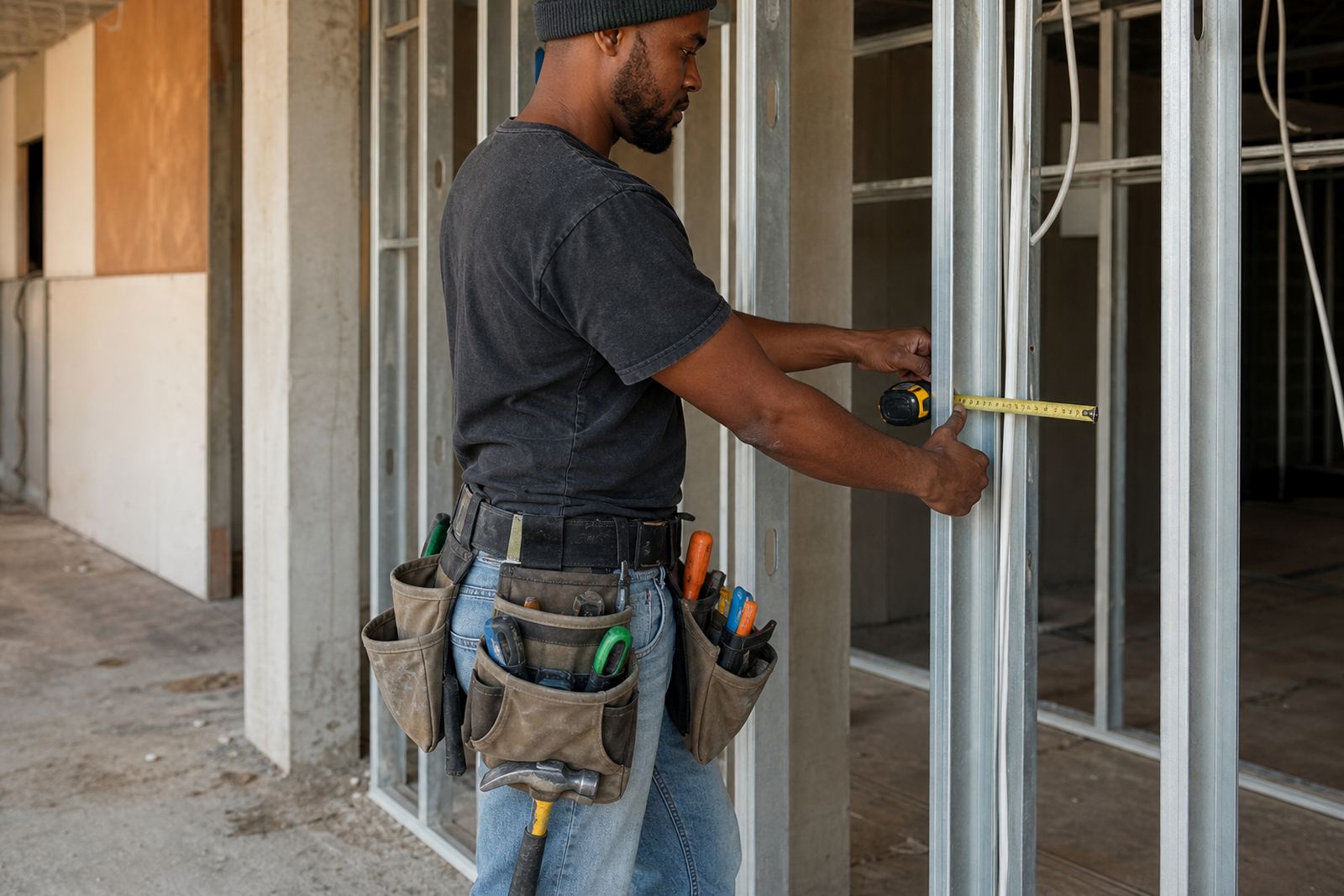
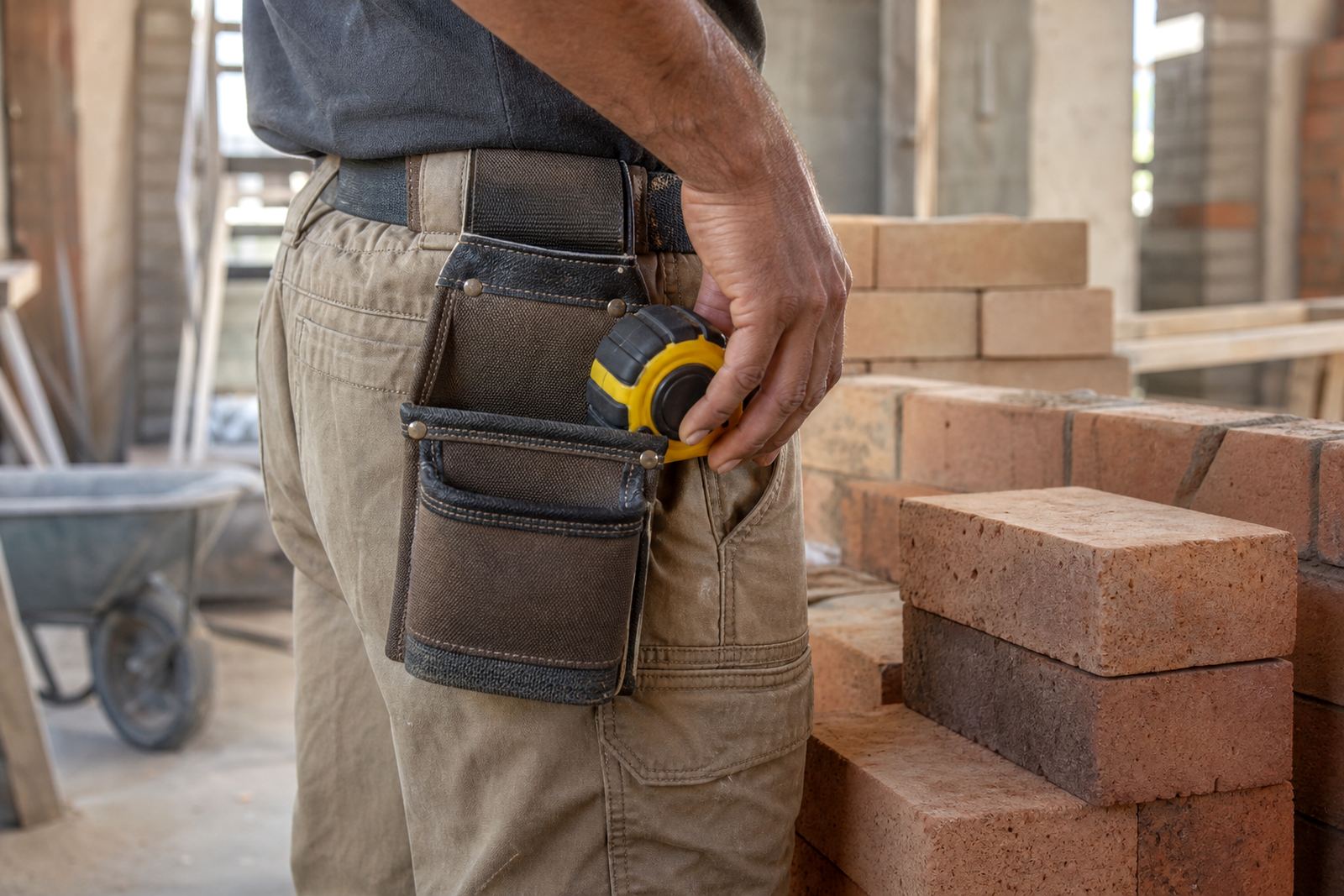
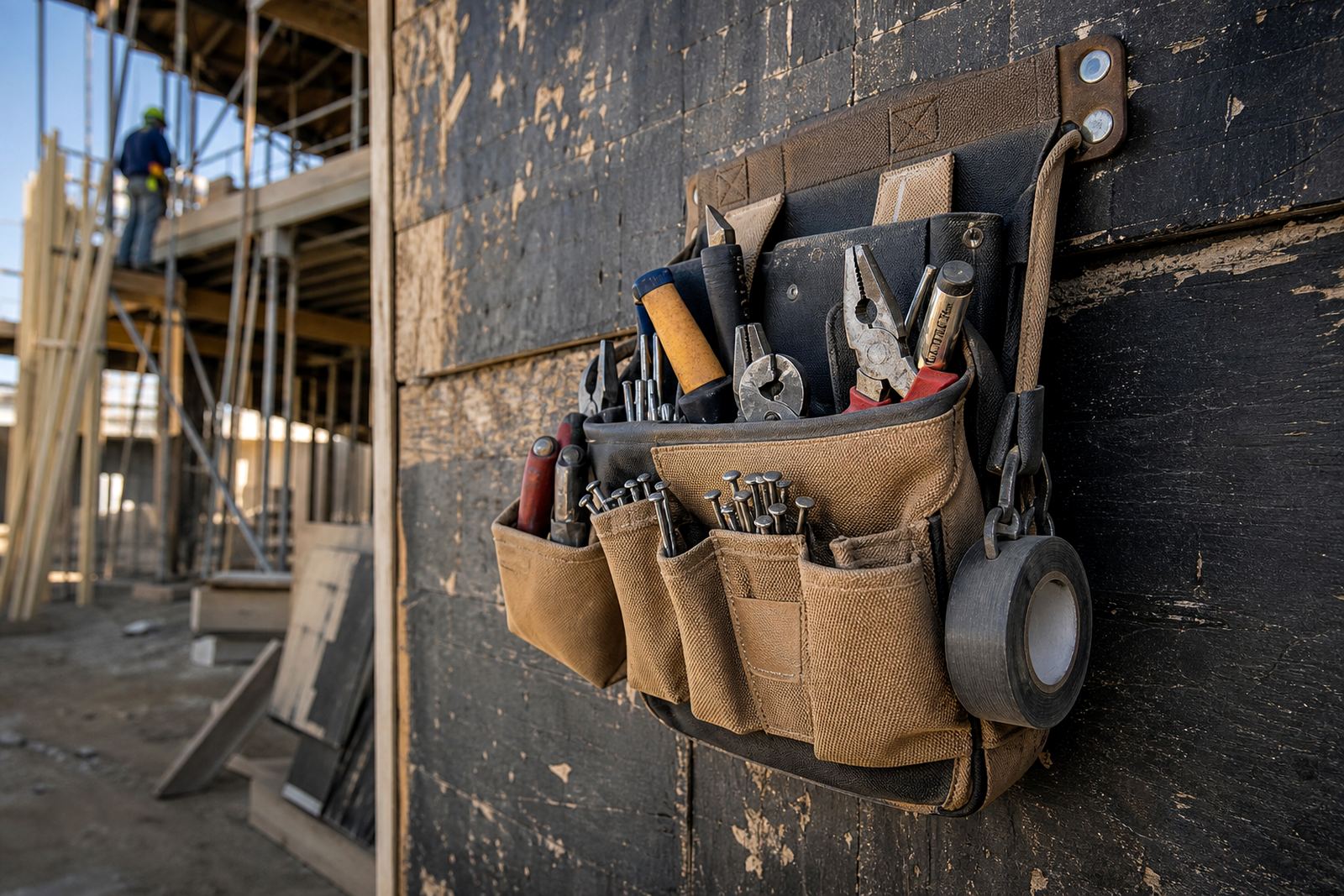
The Heavy Duty Pouch is the stronger option for crews that put gear through long shifts, rough surfaces and repeated loading. It is suited to builders working on housing developments, maintenance teams on industrial sites, and electricians who need a reliable pouch for connectors, terminals, tape, cutters and fixings. The pouch is designed to keep tools close at hand, with reinforced stress points and a firmer body that helps it hold shape when loaded.
In South African conditions that matters. Coastal humidity in Durban can soften lesser materials over time, while dusty Gauteng sites and hot steelwork areas can speed up wear. A heavy duty pouch gives better day to day service where gloves, screws and sharp edges are part of the job. It also helps reduce rummaging on site, which saves time when the job is on a ladder, in a ceiling void, or during load-shedding repairs after hours.
Sizes, Pocket Layouts and Carry Options
Waistbags Pro supplies the Heavy Duty Pouch in practical sizes for single-trade use and mixed work crews. Depending on the order, you can choose a compact pouch for lighter carry, a medium option for balanced daily use, or a larger model for more fixings and hand tools. Some layouts are better for electricians, while others suit builders who carry nails, screws, small fasteners and marking tools. The main aim is simple organisation without bulk.
- Compact size for lighter tool loads and quick access on short jobs
- Medium size for balanced carry across site work and service calls
- Large size for higher load handling and mixed fixings
- Single main compartment or multi-pocket layout depending on use
- Open top or more enclosed style, subject to order requirements
- Compatible with utility belts for waist carry and better weight spread
For teams with different roles, we can help with belt size matching and pouch layout planning. That is useful when one crew needs a builder setup and another needs an electrical kit configuration, because not every trade carries the same load. A good layout cuts down on wasted movement and keeps the pouch from becoming awkward or top-heavy.
Where the Heavy Duty Pouch Works Best
This pouch suits jobs where the contents are used constantly and the pouch gets knocked, sat on, dragged or packed full more than once a day. It works well for site foremen, installation teams, maintenance crews, subcontractors and small contractor businesses that need practical kit rather than showpiece gear. It is also a strong choice for stock replenishment plans where standard issue pouches need to survive regular turnover.
Typical use cases include electrical fit-outs, building repairs, ceiling work, fence and gate jobs, general construction, light industrial maintenance and municipal contract work. If your team moves between homes, commercial buildings and site containers, a stronger pouch helps keep things tidy and ready. It is especially useful where grab-and-go access matters, such as emergency call-outs, generator support or after-hours work during power interruptions.
- Builders carrying nails, screws, clips, blades and small fasteners
- Electricians carrying connectors, tape, terminals, testers and small tools
- Contractors who need a pouch that can handle repeated daily loading
- Teams working on multi-site projects across Gauteng, KZN and the Western Cape
Site Conditions, Fit and Practical Use
A heavy duty pouch needs to sit properly on the belt and stay stable when loaded. If the pouch hangs too low, it can catch on scaffolding or rub against the thigh. If it is too tight, it can slow movement. That is why belt matching matters. We look at the user’s waist size, the expected tool load, and whether the pouch will be worn over workwear, overalls or layered clothing in winter. This is particularly useful on colder inland sites where thicker clothing can change fit.
For electrical work, the pouch should allow quick access without loose items spilling out when bending or climbing. For building use, it should handle sharper loads and keep fixings separate where possible. On sites with power and gas equipment nearby, the pouch must not interfere with safe movement around generators, temporary boards, gas bottles or hot work areas. It should sit securely while the user moves between tasks and not become a snag hazard.
- Check belt width and the number of attachment points needed
- Allow room for winter layers if the pouch will be worn in cold months
- Match pocket size to the tools actually carried each day
- Make sure the pouch does not interfere with ladders, harnesses or site access
Care, Cleaning and Servicing Advice
To keep the Heavy Duty Pouch working well, empty it daily and remove grit, wire offcuts and sharp scraps that can wear through seams. A quick shake-out at the end of the shift helps, especially on dusty sites. For mud, concrete dust or grease, wipe the pouch with a damp cloth and let it dry fully before storage. Do not leave it wet in a bakkie or toolbox for long periods, particularly near the coast where moisture can hang around.
Check stitching, rivets, seams and belt loops regularly. If a pouch starts to sag or the pocket edges begin to fray, that is the time to review the load or replace it before it fails on site. We also advise keeping an eye on how the pouch is used by different team members, because overloading is often the reason a good pouch wears out early. Simple care extends service life and reduces unnecessary replacement costs.
If your crew runs a rolling stock plan, we can support ongoing replenishment and mixed trade kit updates. That makes it easier to keep issued pouches consistent across branches in Alberton, Johannesburg, Pretoria, Durban, Cape Town, Polokwane, Midrand and Centurion.
What to Check Before Ordering
Before placing an order, check the trade type, carry load and how the pouch will be used on site. A builder usually needs different pocket spacing to an electrician, and a mixed team may need two or more pouch types. Also confirm whether the pouch will be paired with a utility belt, because the belt size and pouch weight together affect comfort over a full shift. A poor fit often leads to shifting, rubbing or extra strain on the lower back.
When you enquire through our contact page, we can help with starter kit builds, site specific selection and contractor order support. For larger teams, we can plan bulk orders with delivery schedules that suit your rollout dates. If your work is seasonal or tied to project phases, it helps to order a few extras for breakages, call-outs and fresh staff.
- Trade use: builder, electrician or mixed crew
- Load type: light fixings, hand tools or heavier daily carry
- Belt match: correct waist size and comfortable adjustment range
- Quantity: single unit, team set or bulk rollout
- Delivery point: site, store room or branch collection plan
Key facts
| Product type | Heavy duty tool pouch for builders and electricians |
|---|---|
| Primary use | Daily carry for fixings, small tools and site essentials |
| Carry style | Waist worn with compatible utility belt |
| Best suited for | Construction, maintenance, electrical fit-outs and contractor work |
| Order support | Bulk team orders, belt size matching and pouch layout planning |
| Supply areas | Alberton, Johannesburg, Pretoria, Durban, Cape Town, Polokwane, Midrand and Centurion |