

What a Ladder Work Pouch is built to do
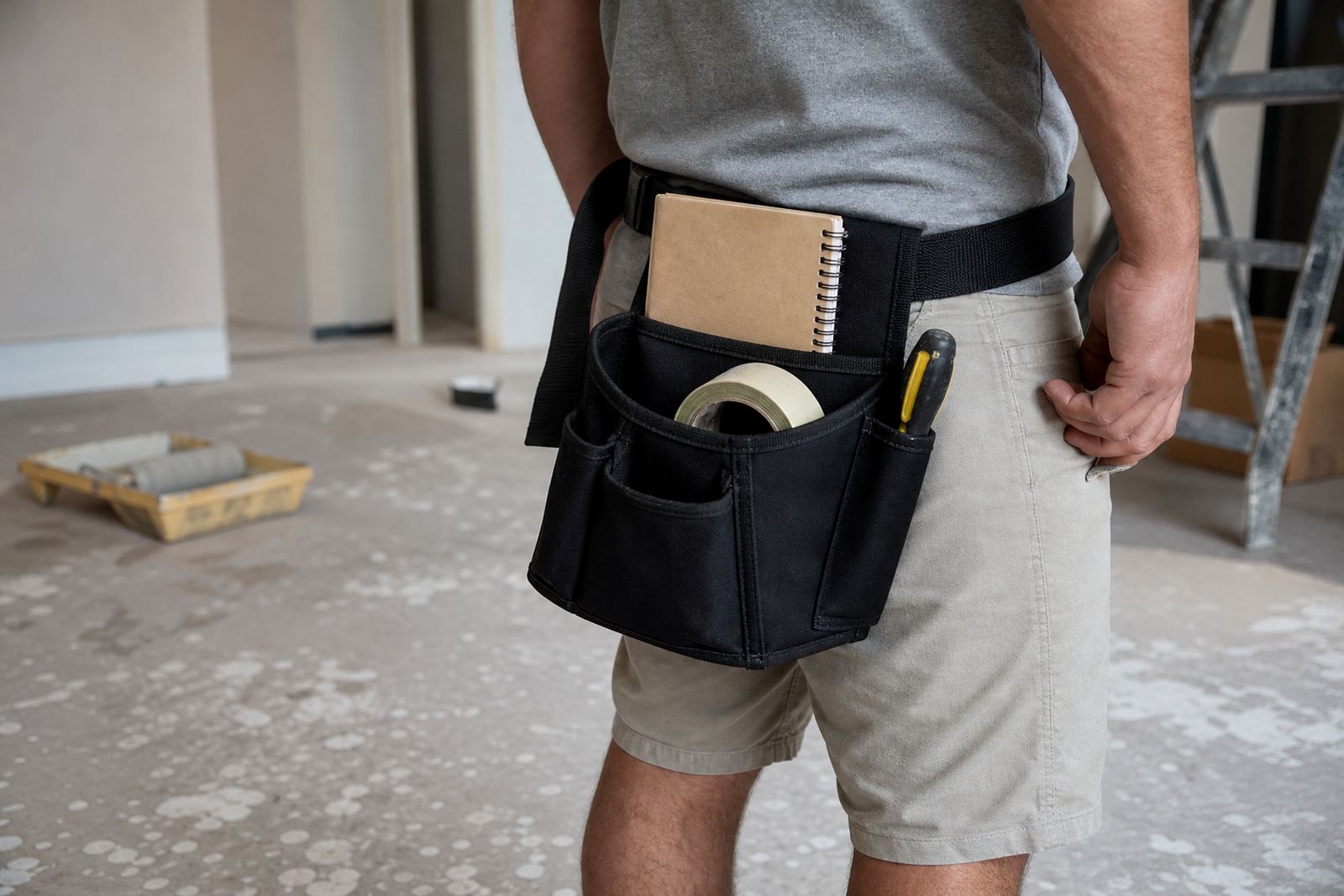
A ladder work pouch is a compact tool holder worn on a belt or utility waist belt so you can keep essentials within reach while climbing, balancing or moving between tasks. It is meant for controlled access, which matters when you are on a rung, on a scaffold plank, or working in a ceiling void where both hands need to stay free. The pouch carries the items you use most often and helps reduce trips up and down the ladder.
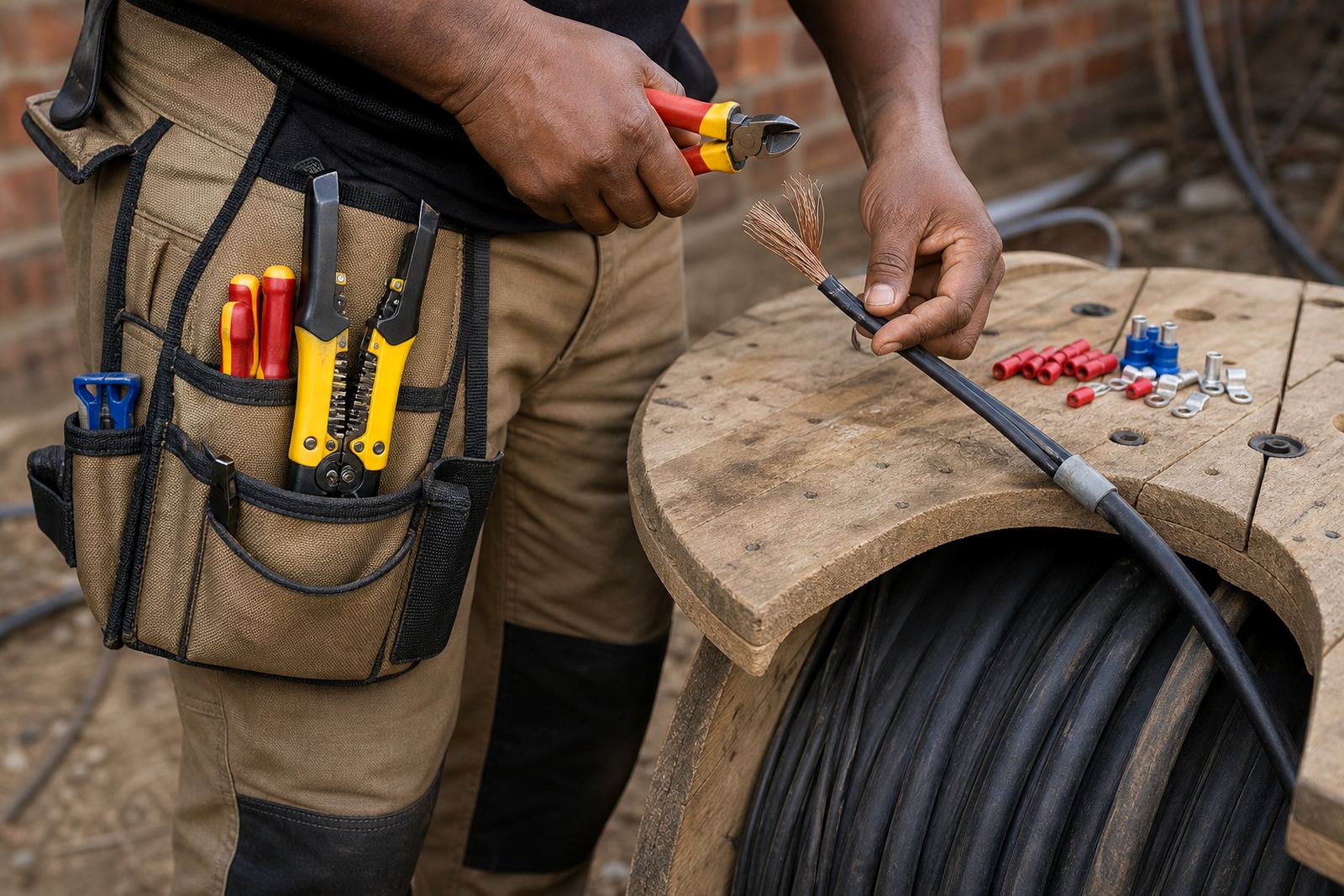
For builders and electricians in South Africa, that can mean screws, wall plugs, cutters, a marker, a small torch, a tape measure and a few terminals or fittings. It is not a full tool bag. It is a low-profile carry option for fast work and safer movement, especially on busy sites where space is tight and the weather can shift quickly.
Sizes, layouts and carry options
Most ladder work pouches are chosen by pocket layout rather than by a single one-size description. Some models favour one main compartment with a few outer slots. Others use split sections for fixings, hand tools and small consumables. The right setup depends on whether you are doing electrical trim-out, site repairs, light fixings or general building work.
- Compact pouch for screws, plugs, pencil, marker and one or two slim tools
- Medium pouch for mixed daily carry with better separation for fixings and hand tools
- Left or right hand carry to suit your working side and ladder habit
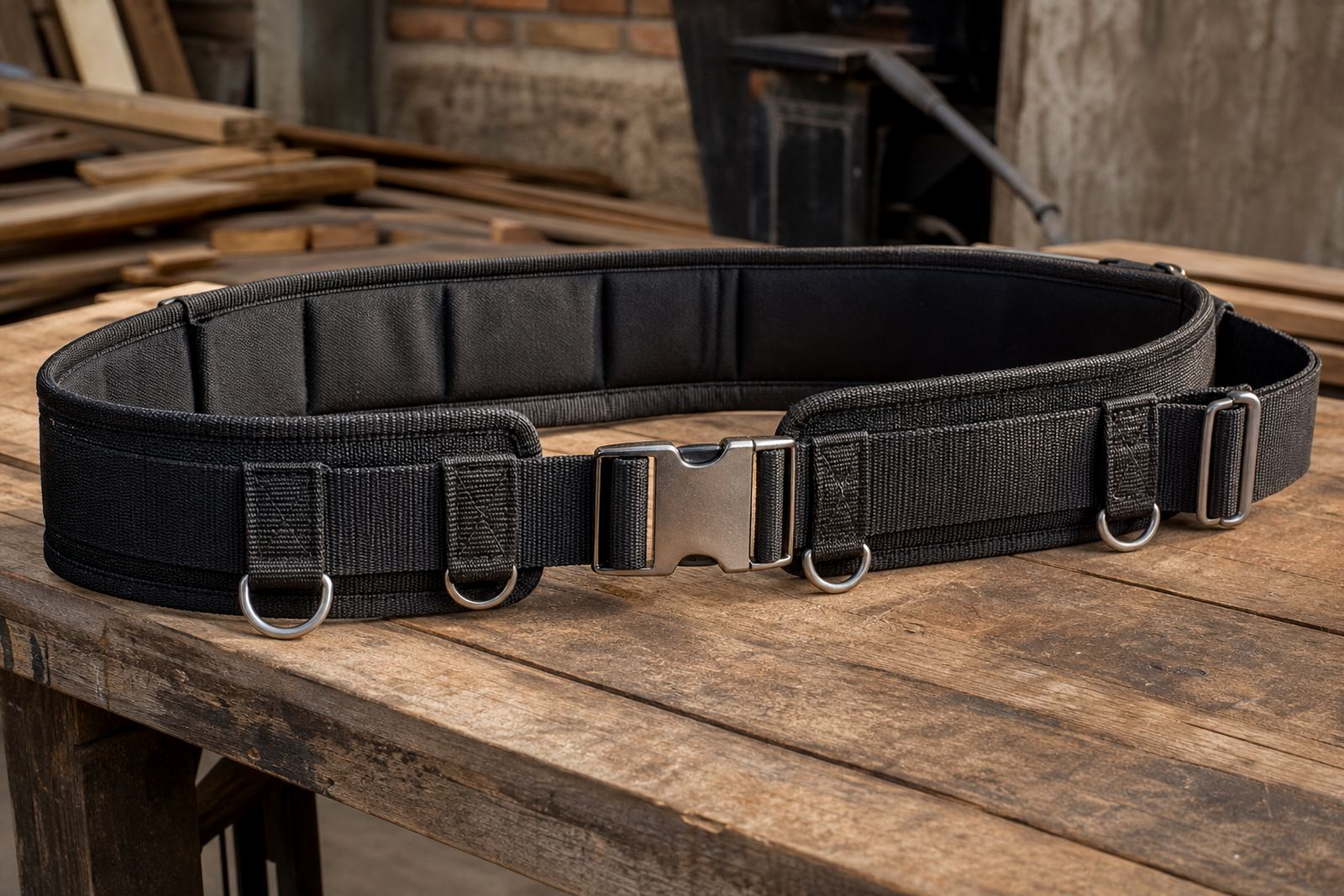
- Belt loop or fixed hanger depending on the waist belt you already use
We also help with belt size matching so the pouch sits properly and does not swing when you climb. If the fit is off, the pouch can pull at your waist and become awkward after a long morning on site. That is why layout planning matters as much as the stitching or fabric weight.
Best use on building and electrical sites
This pouch suits ladder work on residential builds, shop fitting, maintenance calls, and small contractor jobs where you need speed and order. Electricians often use it for connectors, ferrules, test leads, small cutters and insulated pencils. Builders use it for fixings, nail sets, measuring tools and marking gear. It also works well on roof edges, ceiling work and quick punch-list jobs where you do not want a full bag knocking against the ladder.
In Gauteng, KwaZulu-Natal and coastal areas like Cape Town and Durban, moisture and dust are part of daily site life. A pouch that holds its shape and keeps items separated can make a big difference when you are moving from an enclosed room to an outdoor install. The aim is simple, keep tools orderly, easy to reach and less likely to fall. No one wants loose screws rattling around while climbing up to a second-storey repair.
- Electrical fit-outs and final fix work
- General building, repairs and maintenance
- Roof access, ladder tasks and scaffold movement
- Fastener carry for small install crews
Power, gas and site safety considerations
The pouch itself does not need power or gas, but the way you use it on site should match the job conditions. For electrical work, keep your live-testing gear and insulated tools arranged so you do not reach blindly into the pouch. For gas-related tasks, keep ignition items and sharp tools separated from any consumables that could be affected by heat or sparks. It is a practical matter of keeping your carry organised and your hands free when working near live services or restricted spaces.
On municipal and commercial sites, safety officers often expect tidy access and sensible carry habits. A low-profile pouch helps reduce snagging on scaffolding, gates and ladder stiles. If the site has rules about clip-on items, fall risks or PPE, it is worth matching the pouch to the rest of your kit before the job starts. A quick check at handover saves delays later on.
For teams that work with generators, temporary power or intermittent load-shedding back-up systems, a good pouch setup also helps during stop-start work. You can keep the small items together so when the power returns, your crew gets moving again without wasting time searching through a larger bag.
Care, cleaning and regular servicing
To get long use from a ladder work pouch, empty it regularly and clear out dust, plaster bits, wire offcuts and loose nails. That simple habit keeps the stitching from taking unnecessary strain. If the pouch gets wet, dry it in the shade and avoid storing it damp in a closed van or storeroom. Coastal humidity can cause metal fittings to tarnish if they are left wet too long.
Check the belt loop, seams and pockets every few weeks if the pouch is used daily. Look for loose threads, fraying edges and stretched sections where tools are being forced in. If you carry sharp items, make sure they are not cutting the lining. A small tear can turn into a bigger fault pretty quickly once a pouch is being used on ladders all day.
- Brush out dust and grit after each shift
- Dry fully before storage
- Keep sharp edges covered where possible
- Inspect stitching and hardware before bulk rollout jobs
What to check before you place an order
Before ordering, check the exact tools and fittings you want to carry. Measure the longest items, confirm whether you need a left-hand or right-hand layout, and check your belt width. If your crew works across different sites, choose a layout that suits both electricians and builders without becoming too bulky. A pouch that looks fine on paper can feel awkward if the pocket depth is wrong or the opening is too tight for gloved hands.
We also recommend checking the type of work you do most. Starter kit builds, project rollout supply and contractor order support all become easier when the pouch layout matches the daily task rather than trying to suit every job at once. If your team needs mixed trade kits, we can help plan the pouch selection alongside belts and other carry items so the order stays practical.
- Tool list and item sizes
- Preferred carry side and belt fit
- Number of staff using the pouch
- Job type, site rules and weather exposure
- Need for bulk orders or stock replenishment plans
Clients in Alberton, Johannesburg, Pretoria, Durban, Cape Town, Polokwane, Midrand and Centurion can enquire through the contact page for supply support. We also assist with delivery planning for teams working across more than one site, which helps keep orders moving on schedule.
Key facts
| Product type | Ladder work pouch for builders and electricians |
|---|---|
| Carry style | Low-profile belt-mounted pouch |
| Typical use | Ladder tasks, light fixings, trim-out and maintenance |
| Material focus | Durable wear-resistant fabric with reinforced stitching |
| Layout options | Single main compartment, split pockets, left or right carry |
| Supply area | Alberton, Johannesburg, Pretoria, Durban, Cape Town, Polokwane, Midrand and Centurion |