
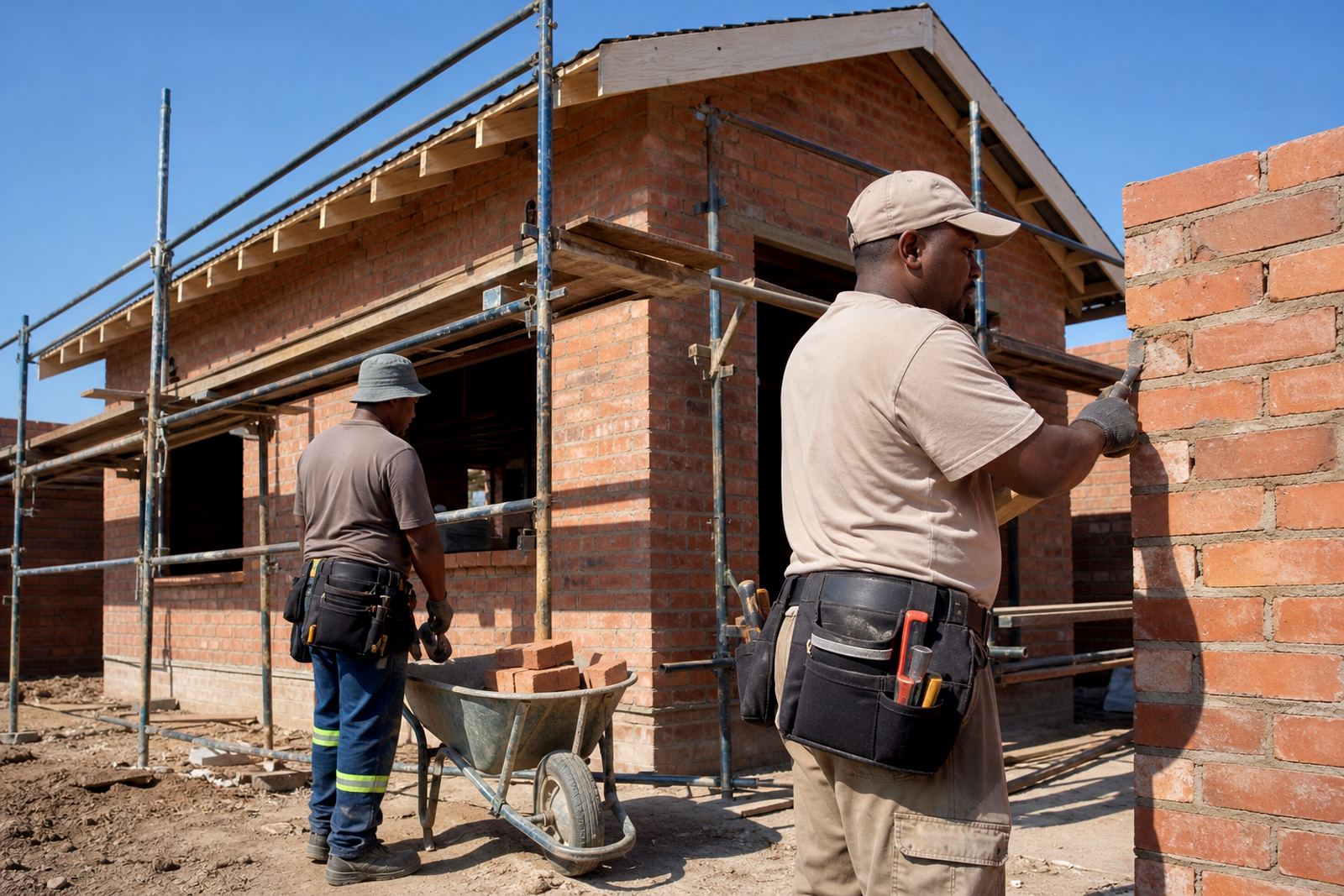
Home Build Brief From an Alberton Site Team
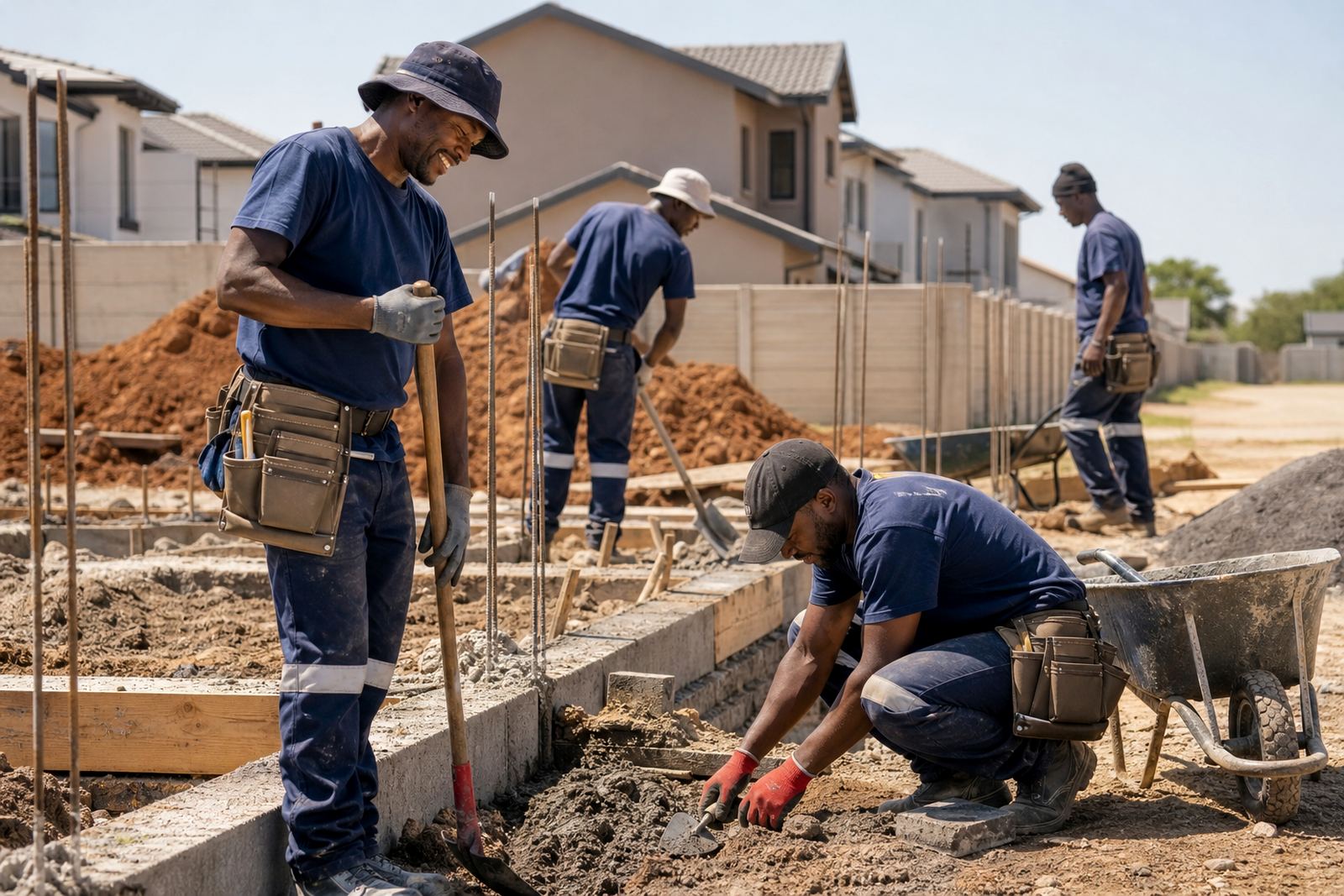
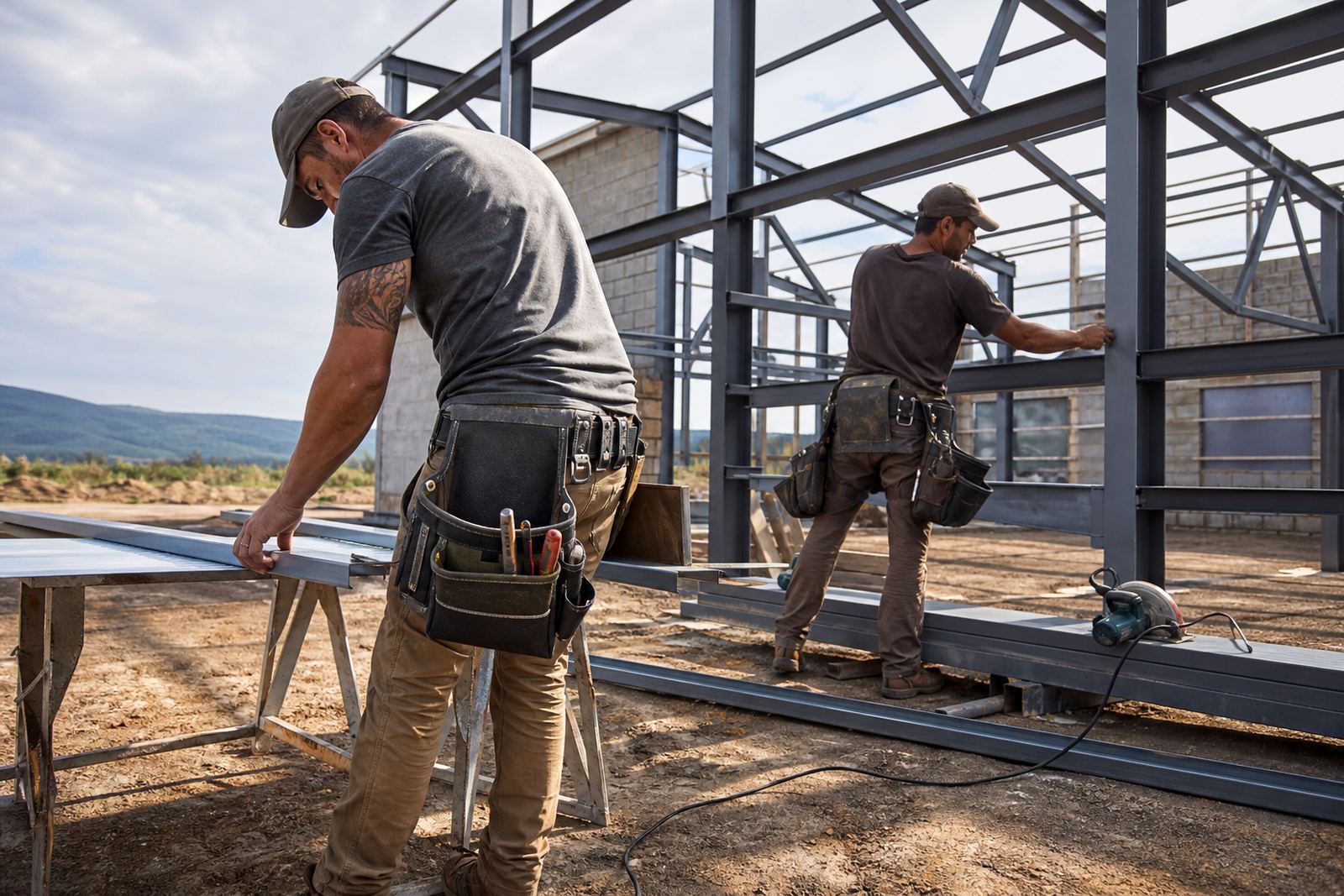
The crew was working on a private home build in Alberton, Gauteng, with framing first and brickwork following soon after. Their foreman needed a sensible mix of nail bags and builder pouches for a small team of general builders, carpenters and bricklayers, with enough variety for different hand sizes and working styles.
The main ask was organisation. Screws, nails, tape measures, pencils, chisels, markers and small hand tools were getting mixed up in pockets and buckets. That slowed the work down, especially when the team shifted between cutting, fixing, laying and checking levels. They wanted waist belts that would stay comfortable on long days and not slip when someone was climbing scaffolding or crouching at footing level.
- Team size: 8 site workers
- Project type: private house build
- Location: Alberton, Gauteng
- Phases covered: framing and brickwork
What Had To Work On This Build
There were a few constraints from the start. The job ran through warm afternoons, early mornings and one stretch of damp weather that left the site dusty one day and sticky the next. The pouches had to cope with that kind of ordinary site wear without losing shape or becoming awkward to carry. The client also needed a setup that could work for both right handed and left handed workers.
Another issue was belt sizing. The team had different body types and one-size-fits-all kit usually ends up being loose on some men and too tight on others. We planned for size matching before supply so the belts could be worn properly over work trousers and over light jackets when the weather turned cooler. On a busy site, a bad fit quickly becomes a nuisance.
- Need for mixed belt sizes
- Right and left hand use
- Enough pocket space for fast access
- Durable enough for daily brickwork and timber handling
Pouches, Belts And Layout We Supplied
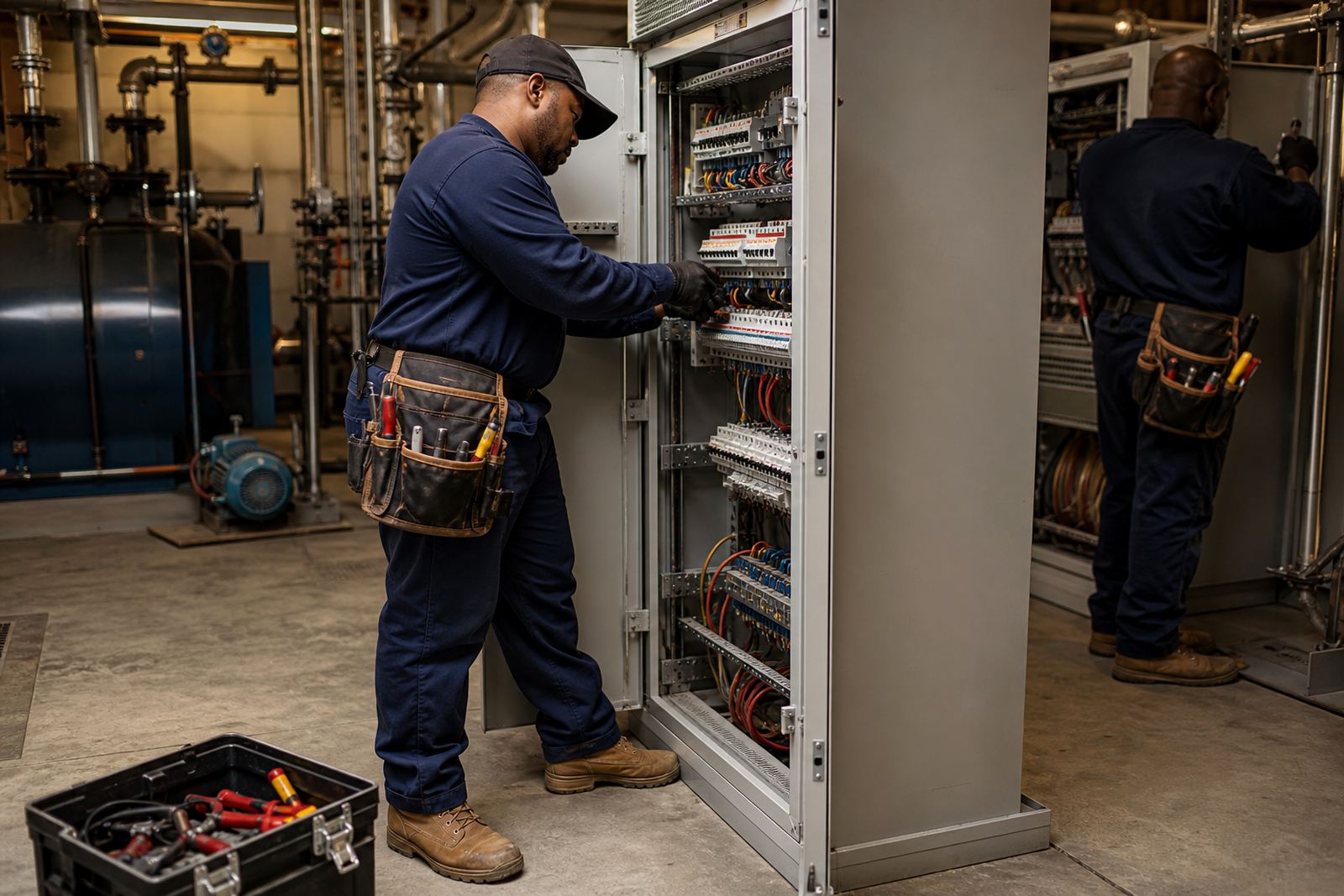
We supplied a practical mix of builder pouches and nail bags with utility waist belts, selected for the work each person was doing. For the framing phase, the team needed pouch space for fasteners, pencils, tape measures and marking tools. For brickwork, they needed a stronger layout for trowels, small levels, line gear and fixings that had to be close at hand. The goal was not more kit, it was better kit placement.
We also helped with pouch layout planning so the more used items sat in the easiest reach positions. That reduced unnecessary movement on site. The crew was able to keep nails and screws separate from cutting tools, which helped avoid damage and made counting stock at the end of the day easier.
- Tool pouches with multiple compartments
- Nail bags with deep carrying sections
- Utility waist belts sized for daily site use
- Starter kit builds for new workers joining later
Supply Timeline Across Two Working Weeks
The project moved through a simple two week timeline. In week one, we worked through the order list, checked sizes and confirmed the split between framing and brickwork use. We then grouped the pouches and belts so the team would receive the right mix for each role. That avoided the common problem of a site getting all the same pouch style when different workers actually need different setups.
In week two, the order was packed and handed over with the sizing sorted. The foreman could issue sets to the team without rechecking every item. Because the build was local to Alberton, delivery planning was straightforward and the handover stayed on schedule. The client also asked for a replenishment plan in case the job extended and extra fasteners or replacement kit were needed later on.
- Week 1: brief, sizing and layout planning
- Week 2: packing, issue and delivery
- Extra support: stock replenishment planning
Results On Framing And Brickwork
Once the belts and pouches were issued, the team reported quicker access to hand tools and fewer interruptions when moving between tasks. The framers had nails and fixings where they could reach them without stopping. The bricklayers had a better setup for lines, small tools and markers, which meant less time walking back and forth to fetch bits and pieces. It sounds small, but on a live site those minutes add up.
The foreman also noted better tidiness at the end of each day. When each worker had a set pouch layout, tools were less likely to be left on ledges, in wheelbarrows or on stacked timber. That helped with site order and reduced the chance of losing small items. It also made the team easier to brief because each person knew where their kit belonged.
- Faster access to fasteners and marking tools
- Less time spent walking to the storage point
- Better daily site order
- Clearer tool accountability per worker
What We Would Repeat On The Next Build
If we were supporting the same team again, we would do the same early sizing check and role-based layout planning before anything was packed. That step made the biggest difference. We would also repeat the mixed kit approach for framing and brickwork instead of pushing one general pouch style across the whole site. Different phases need different pocket patterns, and that is where many orders go wrong.
For larger projects, we would add a simple stock replenishment schedule from the start, especially where the work runs over more than a few weeks or where the site is moving fast. In South African conditions, from coastal humidity to inland dust and load-shedding delays, a team needs gear that is easy to issue, easy to carry and easy to keep in order. That was the real value of this Alberton home build supply.
Key facts
| Project location | Alberton, Gauteng |
|---|---|
| Client type | Private home-building team |
| Work phases | Framing and brickwork |
| Supply period | 2 weeks |
| Core items supplied | Nail bags, builder pouches and utility waist belts |
| Support included | Pouch layout planning and belt size matching |