
Workshop brief for agricultural maintenance in Mokopane
The client was setting up a new farm workshop on the outskirts of Mokopane in Limpopo, with the space planned for daily maintenance on agricultural machinery, repair work and parts handling. The team needed carry systems that would keep spanners, pliers, fasteners and consumables close at hand while moving between the service bay, yard and field.
The brief was practical. The pouches had to be comfortable for full-day wear, easy to clean after dusty work, and strong enough for repeated use in hot conditions. Because the site supports seasonal work and irregular repair peaks, the order also had to allow for mixed trades, with some staff on mechanical work and others handling fittings, cabling and small fixings. We also had to keep the setup simple for training new staff, so the belt layout had to be straightforward and repeatable.
The client wanted one supply run that could cover the first workshop fitout and leave room for future add-ons. That meant choosing sizes that would suit different waist measurements and work roles, without overloading the wearers.
What made the site tricky to kit out
Mokopane summers can bring heat, dust and sudden rain, and the workshop also has the usual farm pressures of mud, grease and long days. On this project, the team was concerned about pouches stretching out, belt slip and tools bouncing around when staff walked across uneven ground. There was also the matter of comfort, because a poorly balanced belt gets ignored and ends up hanging on a hook instead of being worn.
We planned around those issues by matching pouch depth and belt width to the type of work being done. The heavier items went into the main tool pouches, while smaller fixings and marking items were kept in compact side pockets. We also looked at how each kit would sit over work trousers and over heavier layers for early mornings on site.
- Heat and dust exposure during long workshop shifts
- Need for fast access when moving between machines and benches
- Mixed roles, from mechanical repairs to electrical fault finding
- Comfort for staff who wear belts for most of the day
- Simple training for a changing team and seasonal workers
What we supplied for the first rollout
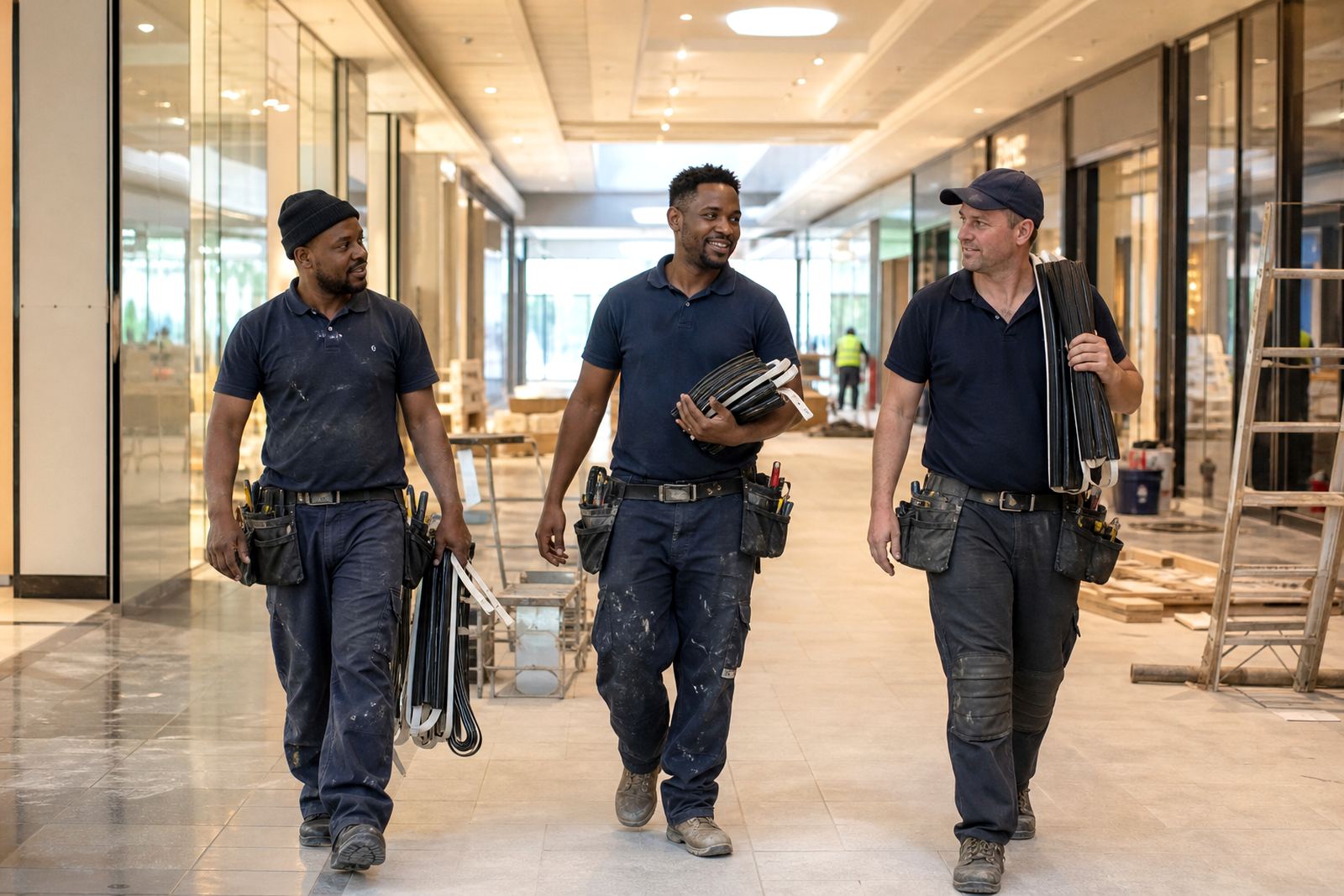
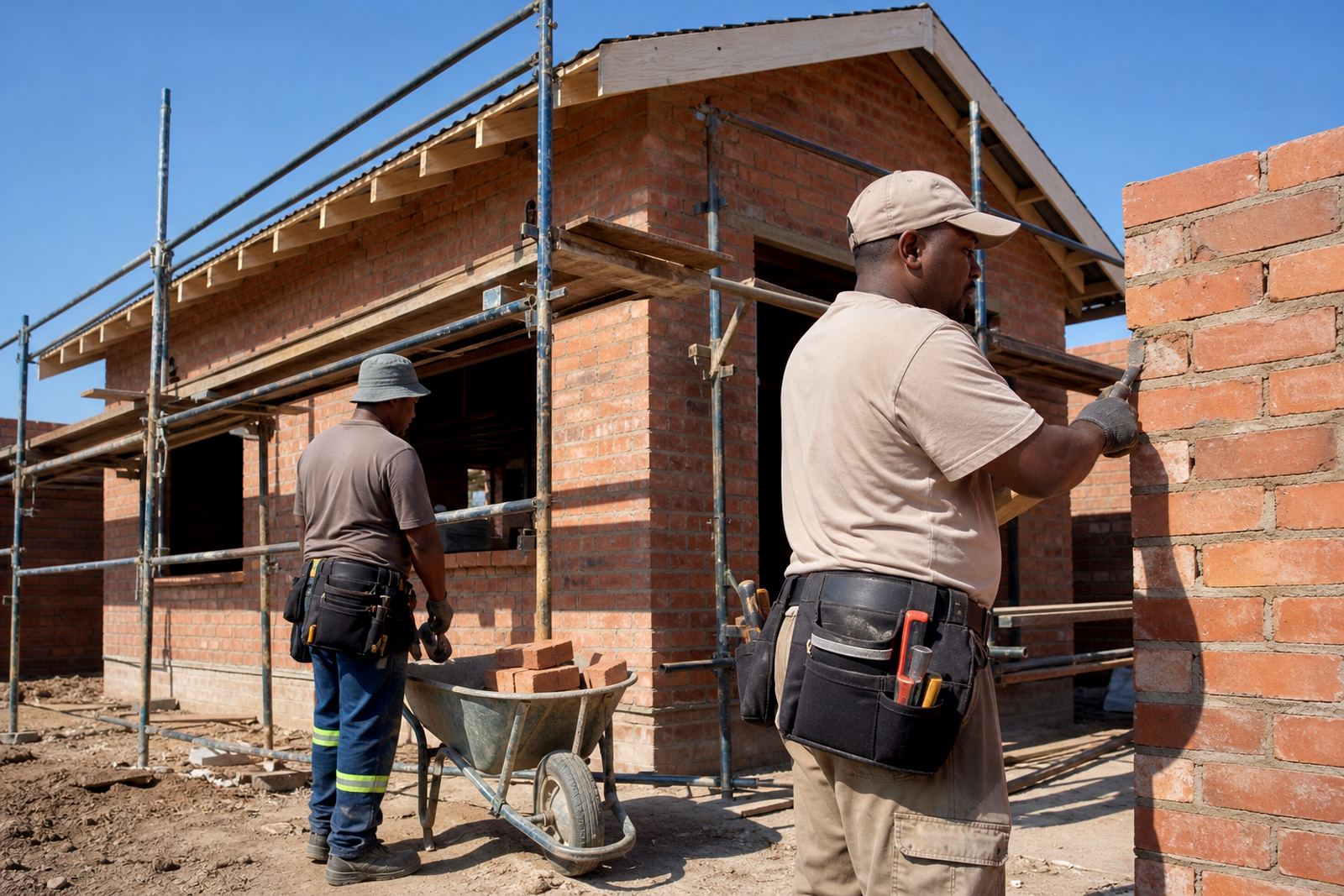
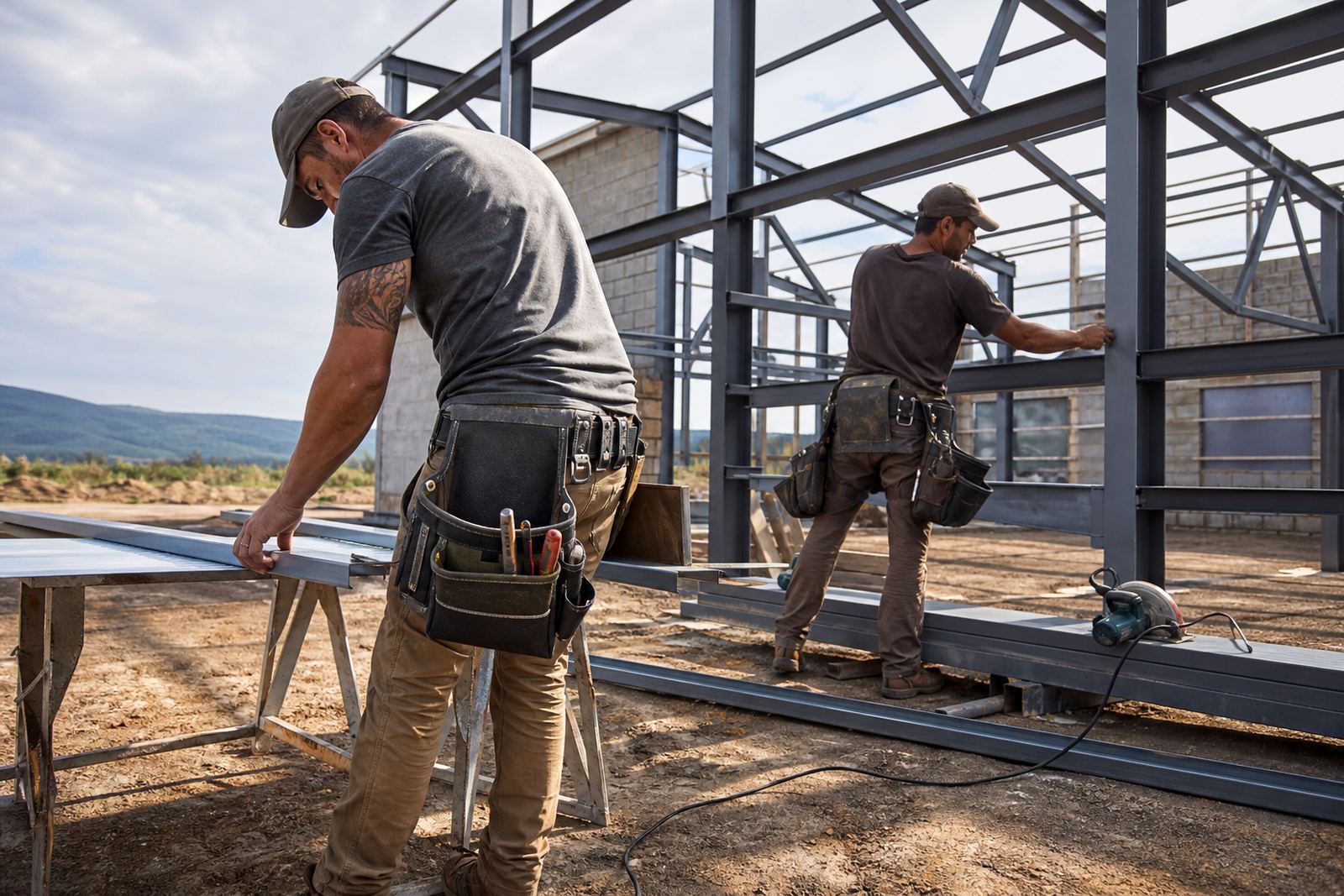
We supplied heavy-duty tool pouches, nail bags and utility waist belts in a mixed order sized for the workshop team. The pouches were chosen for daily carry, with reinforced stitching, strong belt loops and pockets suited to hand tools, fasteners and small consumables. The waist belts were selected for adjustability and support, so the staff could get a close fit without having to tug the belt tighter through the day.
The build included a range of pouch styles so the client could assign sets by role. Mechanical staff received layouts with deeper main pockets for spanners and socket accessories, while the electrical side got a neater configuration for cutters, test leads and connectors. For bench and store work, we included lighter utility options so the belts would not feel overbuilt for the task. The result was a kit that could be split across the team without making every worker carry the same load.
Each item was checked for finish, strap condition and pocket spacing before dispatch. We also grouped the order so the workshop could issue the sets quickly on arrival, which saved time during the fitout week and cut down on sorting at the site.
- Heavy-duty tool pouches for daily mechanical use
- Nail bags for fixings, clips and small hardware
- Adjustable utility waist belts for varied waist sizes
- Mixed layouts for builders and electrical maintenance staff
- Grouped packs for fast issue at workshop handover
Timeline from enquiry to delivery
The project ran over three weeks from first brief to delivery. In week one, we worked through the site needs, the number of staff to be equipped and the split between workshop, yard and field use. In week two, the order was finalised and the pouch combinations were matched to the different roles. Week three was used for packing, checking and delivery planning to Mokopane.
Because the client needed the gear ready for a scheduled workshop start, timing mattered just as much as the item selection. We kept the process tight and practical, with no back and forth over fancy extras. The aim was to get usable kits in place before the first maintenance roster began, and that is exactly what happened.
Once the goods arrived, the team could issue the belts and pouches immediately. There was no delay waiting for additional accessories or rework, and the workshop was able to keep moving with the setup schedule.
Results once the workshop was running
After rollout, the team reported better tool control and faster access to common items during repairs. Staff spent less time walking back to benches for small parts, and the workshop floor stayed a bit clearer because fixings and hand tools were being carried properly. That matters on a farm, where a lost washer or misplaced spanner can hold up a job longer than expected.
The pouches also helped with job allocation. Supervisors could see at a glance which staff were set up for mechanical work and which ones were on lighter maintenance tasks. That made daily handover easier and reduced confusion during busy periods. The belts held their shape well under real use, and the staff appreciated that the kits did not feel flimsy after a few shifts.
For a rural maintenance operation, the biggest win was consistency. Every worker had a sensible carry layout that could be used day after day, and the order gave the site a base level of kit for future expansion. One small issue was avoided too: with the right sizes issued from the start, there was no pile of belts that needed to be swapped out later.
What we would repeat for a similar farm workshop
If we were kitting out another workshop for agricultural equipment maintenance, we would do the same thing again: start with the work roles, match the belt sizes properly and keep the pouch mix simple. For this kind of site, overcomplicating the setup usually creates trouble later. A clear issue list, sensible sizing and enough spare capacity for new staff is the better way to handle it.
We would also keep the order split between heavier mechanical sets and lighter utility sets, because farm workshops tend to change from one task to the next through the week. That makes it easier to rotate staff without reworking every belt. For any site in Limpopo, especially where dust and heat are part of the day, we would prioritise comfort, pocket strength and quick issue on delivery.
- Start with role-based pouch selection, not just quantity
- Match belt sizes before dispatch to avoid swaps on site
- Keep one mixed order for mechanical and electrical tasks
- Allow a few spare sets for seasonal or relief staff
Key facts
| Project location | Mokopane, Limpopo |
|---|---|
| Client type | Farm workshop serving agricultural equipment maintenance |
| Supply scope | Heavy-duty tool pouches, nail bags and utility waist belts |
| Timeline | 3 weeks from brief to delivery |
| Primary use | Mechanical repairs, electrical maintenance and parts handling |
| Key constraints | Dust, heat, long shifts and uneven yard movement |