
Bellville Refit Brief: Small Space, Constant Movement
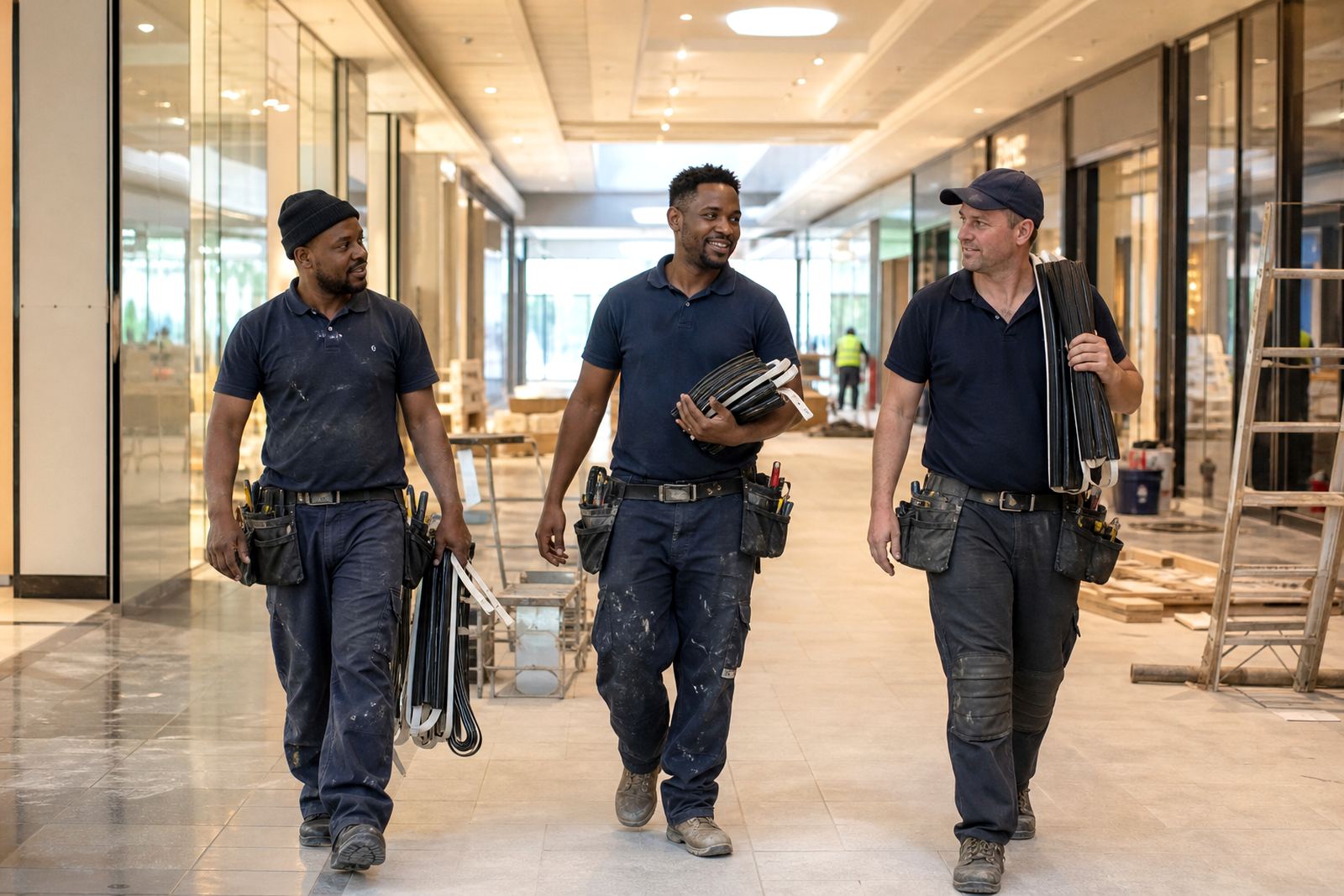
The client was a retail fit-out contractor working in Bellville, Cape Town on a quick-turnaround shop refit. The job involved repeated trips between the loading bay, stock room, customer floor and fitting points, so the team needed carry gear that would not swing, snag or get in the way when climbing ladders or moving around shelving. A full tool bag was too clumsy for this kind of work, and loose pockets were slowing the crew down.
The brief was simple: keep the most-used tools on hand, reduce time spent walking back and forth, and make sure each worker could stay mobile during a tight programme. The site also had limited staging space and mixed surfaces, including polished floor areas and narrow aisles, so the layout had to suit movement, not bulk. We were asked to supply slim utility belts and matched pouches that could support different tasks across the day.
- Town: Bellville, Cape Town
- Project type: Retail refit
- Crew profile: Builders and electricians
- Main need: Fast access carry for active trade work
What We Supplied For The Site
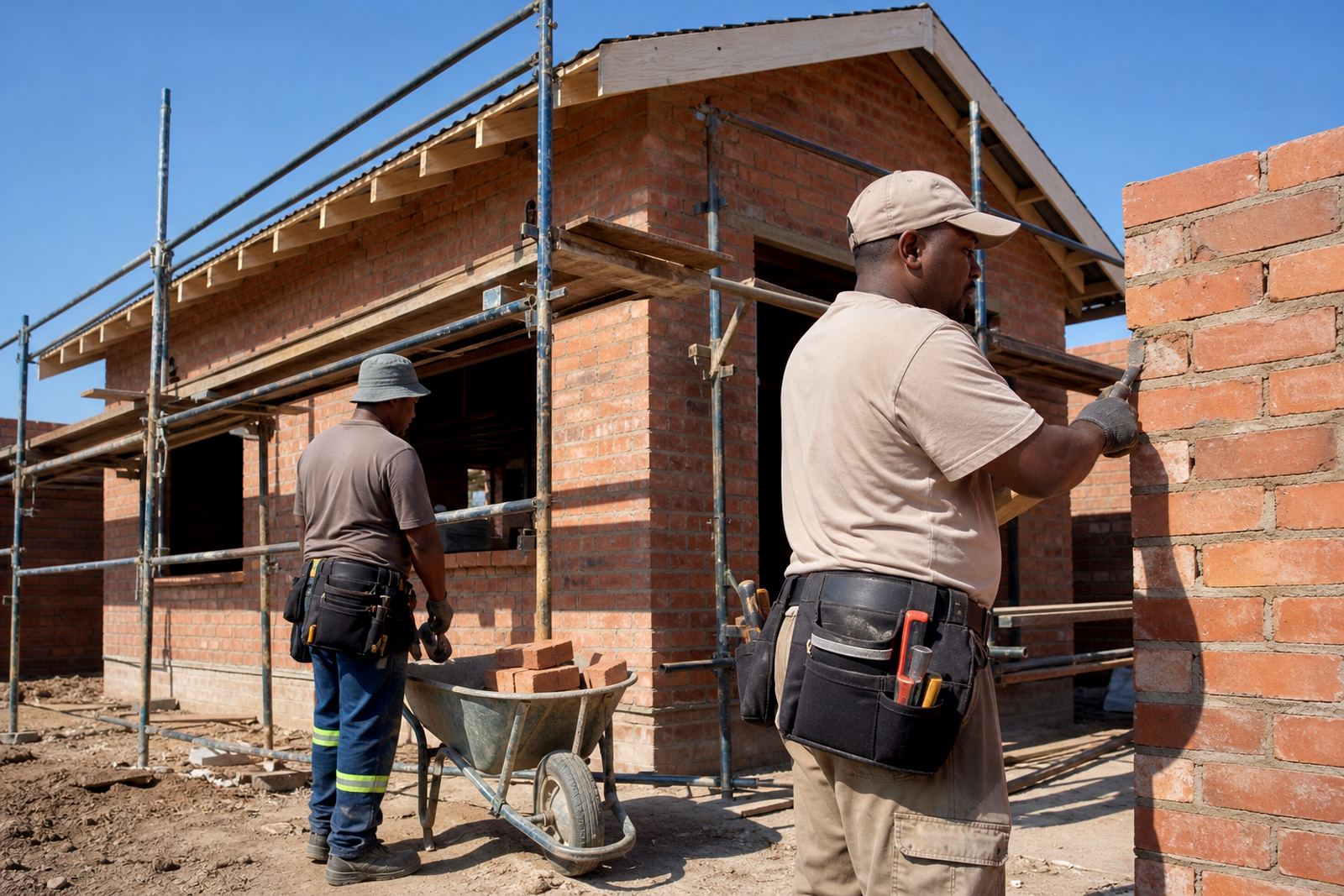
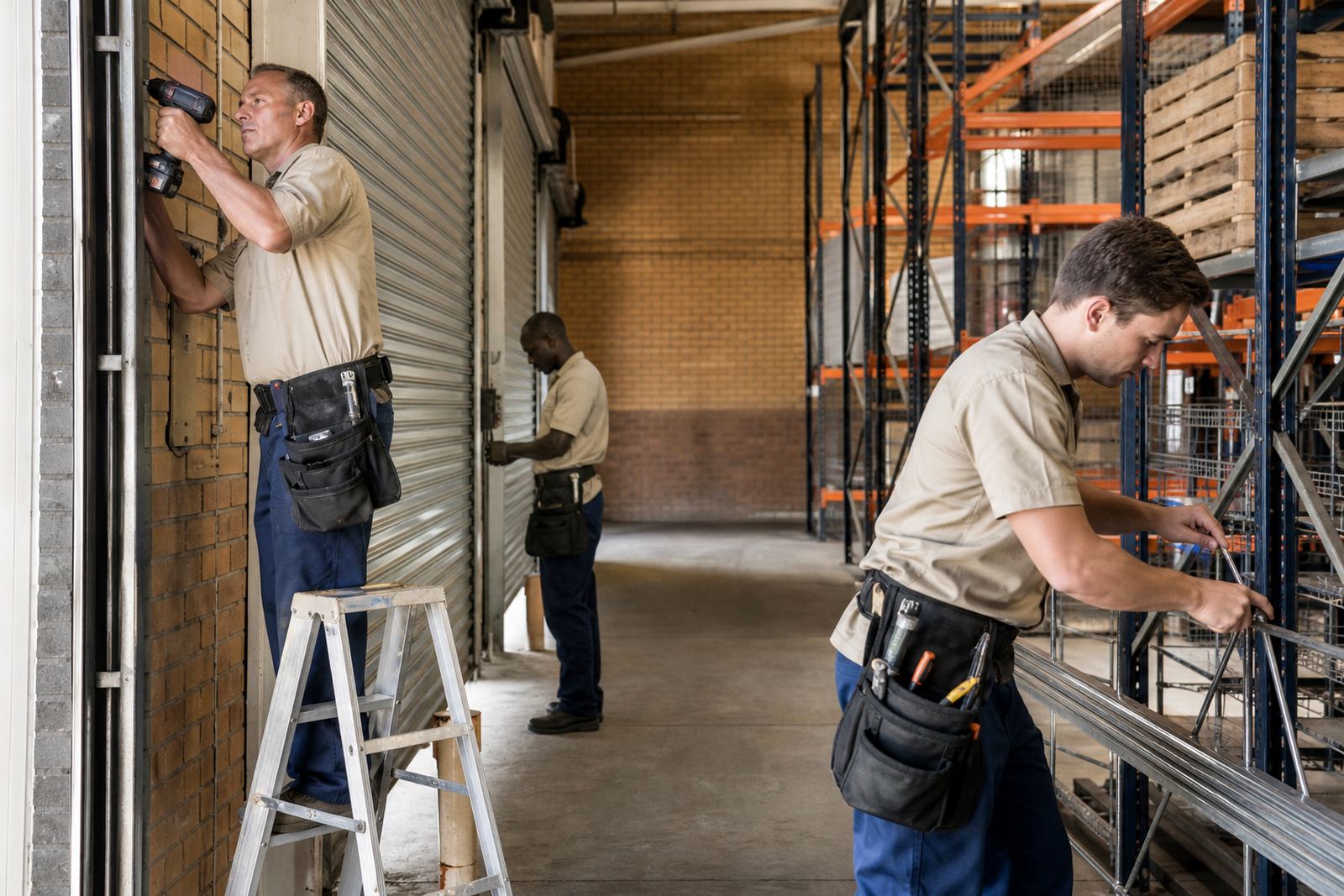
We put together a mixed set of utility waist belts, tool pouches and nail bags that could be assigned by role. Electricians needed compact pockets for screwdrivers, testers, terminals and tape, while the builders wanted a stronger pouch layout for fixings, bits, pencils and a tape measure. The belts were selected with adjustable sizing so the same stock could fit different team members without fuss. That matters on a site where staff rotate and one person may cover another’s task for half a day.
The pouches were arranged for easy reach on the dominant hand side, with space for the items used most often. We also matched a few starter combinations for supervisors who needed a slightly larger set-up for snag lists, marking tools and inspection items. In a retail refit, speed counts but so does control, and a good belt helps keep tools where they belong instead of rattling around in a pocket or bucket.
- Utility belts: Adjustable fit, designed for slim wear under active movement
- Tool pouches: Multiple pockets for hand tools, fixings and small accessories
- Nail bags: Heavier carry option for fast access to fasteners and small parts
- Mixed kits: Different pouch layouts for builders and electricians on the same site
Fit, Comfort And Site Constraints
Bellville retail work often means early starts, long shifts and plenty of bending, crouching and ladder use. We kept the belt profile slim so it would sit close to the body and not catch on shelving, display units or moving stock cages. The crew also needed something suitable for indoor work where dust, packing material and sharp offcuts are part of the day. A bulky rig would have been a nuisance, especially in the tighter back-of-house zones.
We paid attention to practical sizing and comfort. Belt adjustment had to be quick, and the pouches needed enough depth to secure tools without making access awkward. For coastal Cape Town conditions, we also favour carry gear that can be wiped down after a damp start or a humid day, because moisture and grit can work into every seam. On this job, that meant keeping the gear simple, sturdy and easy to sort at the end of a shift.
- Close-fit belt profile for movement through narrow aisles
- Quick adjustment for different users on the same contract
- Easy wipe-down care after dust, moisture or site grime
- Layout suited to frequent tool access without overloading the waist
How The Rollout Ran Over Three Weeks
The rollout took three weeks from first brief to site issue. Week one was the selection stage, where we discussed the trade mix, belt sizing and the sort of tools each worker carried through the day. Week two was for order confirmation and grouping the kits by role, so the client could issue them without sorting through mixed stock on site. Week three covered final pack-out and delivery planning around the refit programme.
Because the project was time-sensitive, we kept the process direct. The supervisor needed some sets ready for day one and a few spares held back for late joiners or replacements. That saved time and prevented delays when people changed shifts. It also meant the crew could get going without waiting for a full kit issue meeting every morning, which is a small thing on paper but it helps a lot when the programme is tight.
- Week 1: Briefing, sizing and pouch layout planning
- Week 2: Order grouping and role-based kit building
- Week 3: Pack-out, dispatch and site issue support
Results On The Floor
Once the belts and pouches were in use, the team spent less time walking to fetch small tools and more time finishing the refit tasks in sequence. The supervisor could also see at a glance who was carrying what, which made handovers smoother when teams swapped between zones. In a retail environment, that sort of clarity helps prevent repeated trips and keeps clutter down in customer-facing areas.
The client reported better tool organisation and easier movement through the site, especially when workers were shifting between fitting, marking and checking tasks. The lightweight carry setup did not slow the crew down and it reduced the usual pocket stuffing that leads to misplaced screws or damaged items. It was not fancy, just practical and it worked. That is exactly what a fast refit needs.
- Less back-and-forth for small tools and fixings
- Cleaner handovers between builders and electricians
- Better control in customer-facing areas
- Fewer loose items dropped or lost during the shift
What We Would Repeat On Another Bellville Job
For a similar refit, we would again start with belt size matching and role-based pouch layouts before anything else. That first step saves time later, because a worker who is comfortable in the belt will keep it on all day and actually use the pockets as intended. We would also keep a few spare sets aside for late changes to the crew list, since site teams often shift once the strip-out begins.
We would use the same approach for other Bellville or Cape Town retail projects where movement is constant and the jobsite changes day by day. Builders and electricians do not need the same layout, and a mixed trade kit works best when each person gets the right pockets for the task at hand. If the site is near the coast or in a dusty mall back area, we would keep the finish simple and easy to maintain, then build the loadout around the actual work.
- Start with belt fit, then match the pouch layout
- Keep spare sets available for crew changes
- Separate builder and electrical carry needs
- Use slim gear where aisles, stock and ladders limit space
Key facts
| Project town | Bellville, Cape Town |
|---|---|
| Project type | Retail refit for builders and electricians |
| Timeline | 3 weeks from brief to site issue |
| Main products | Utility waist belts, tool pouches, nail bags |
| Carry style | Slim, close-fit, quick access layout |
| Key use case | Constant movement between work zones |