Randburg Rooftop Brief and Working Conditions
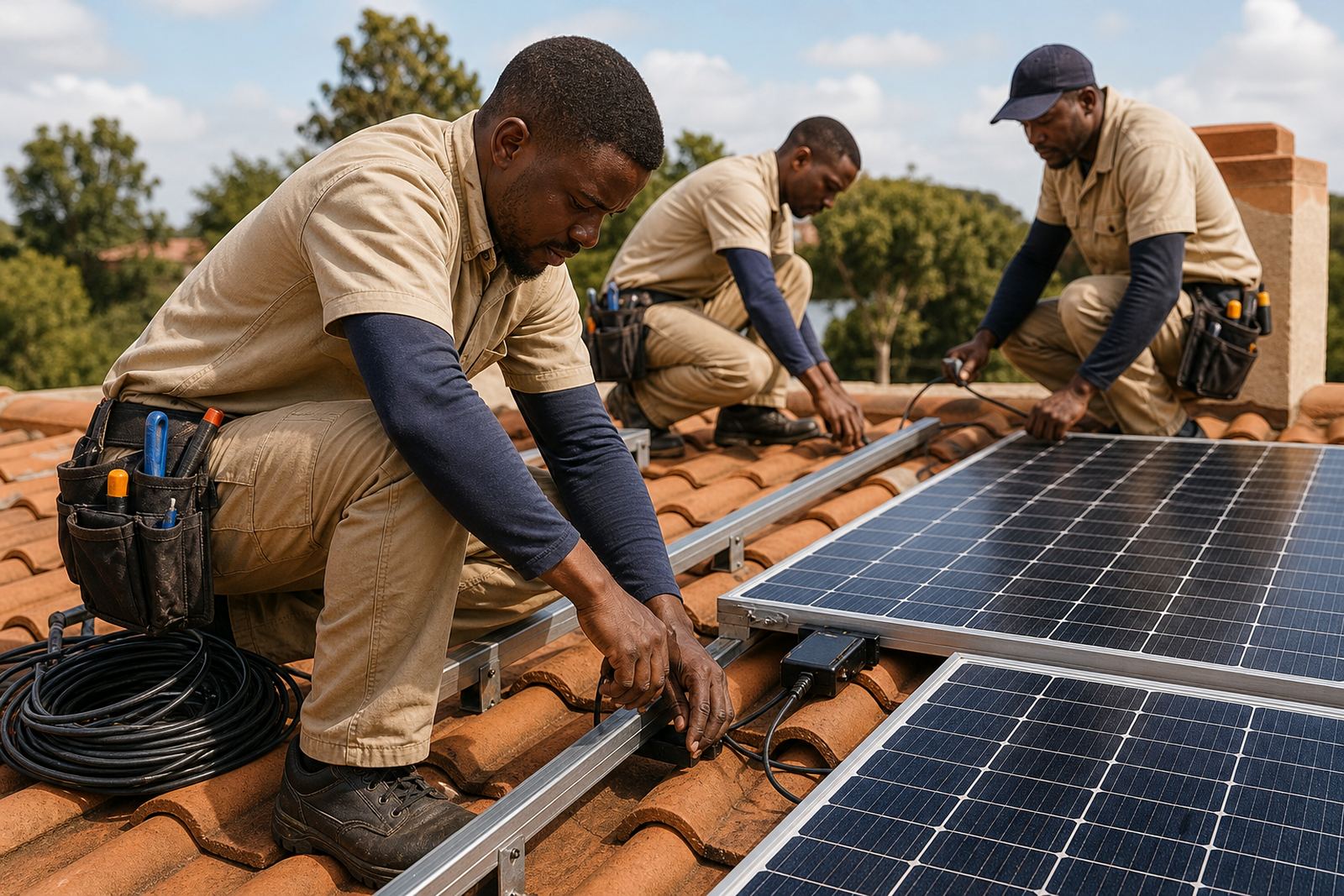
The client was a small to mid-sized solar installation team working on homes and light commercial roofs in Randburg, Gauteng. They needed a cleaner way to carry daily-fit items such as MC4 connectors, ferrules, cable ties, marker pens, a tape measure and a few insulated hand tools, without pockets bulging or tools ending up loose on the roof.
The brief was simple: keep the kit compact, easy to reach and comfortable through a full day on the roof. The team works in summer heat, winter wind and the usual load-shedding related pressure to finish safely and on time. They also needed a setup that would not snag on ladder rails, safety harness straps or roof edges.
- Team size: 6 installers
- Work type: residential and light commercial solar installs
- Carry items: connectors, clips, fasteners, pliers, cutters, marker, tape
- Priority: quick access with less bending and fewer pockets full of loose parts
What We Supplied for the Rooftop Team
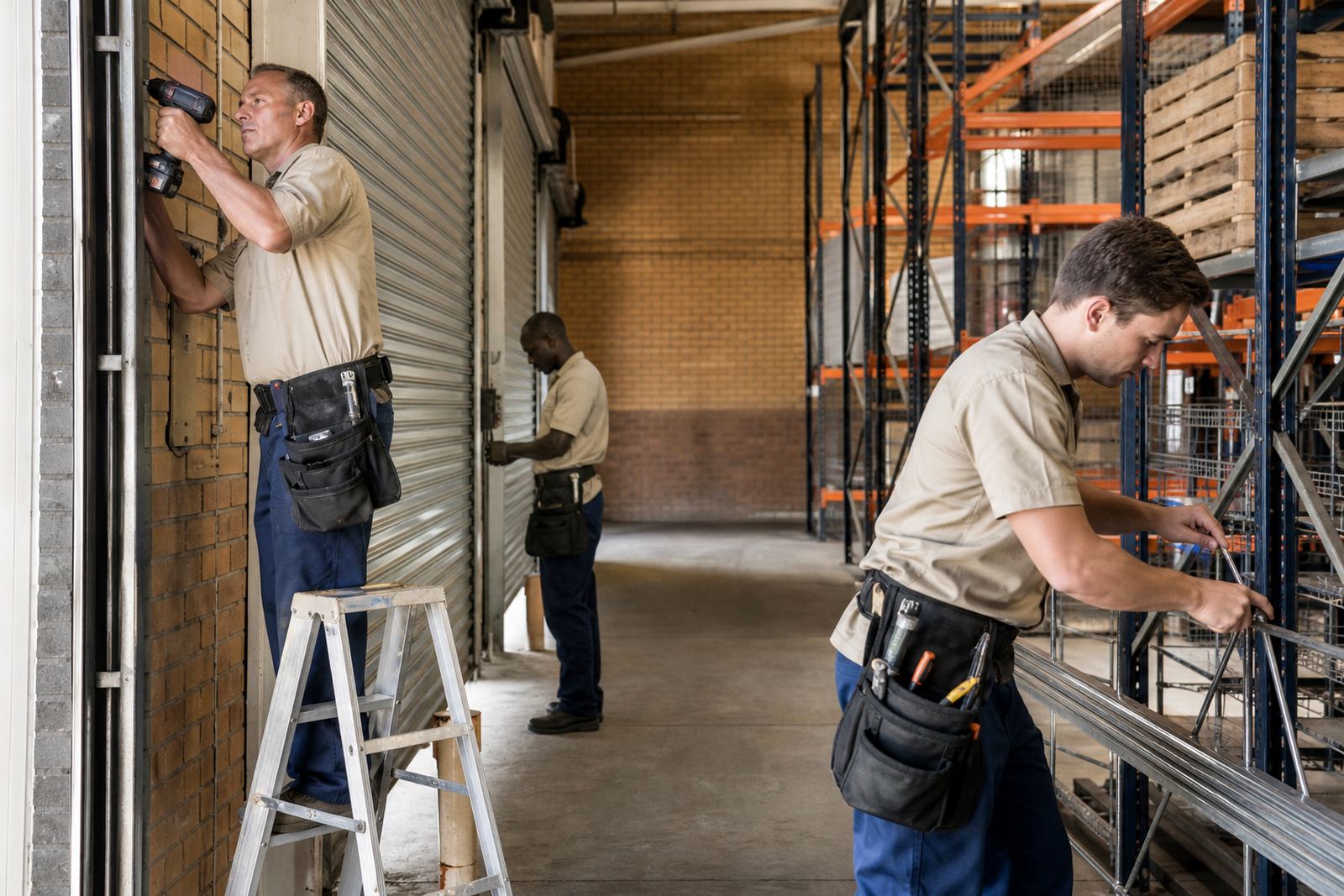
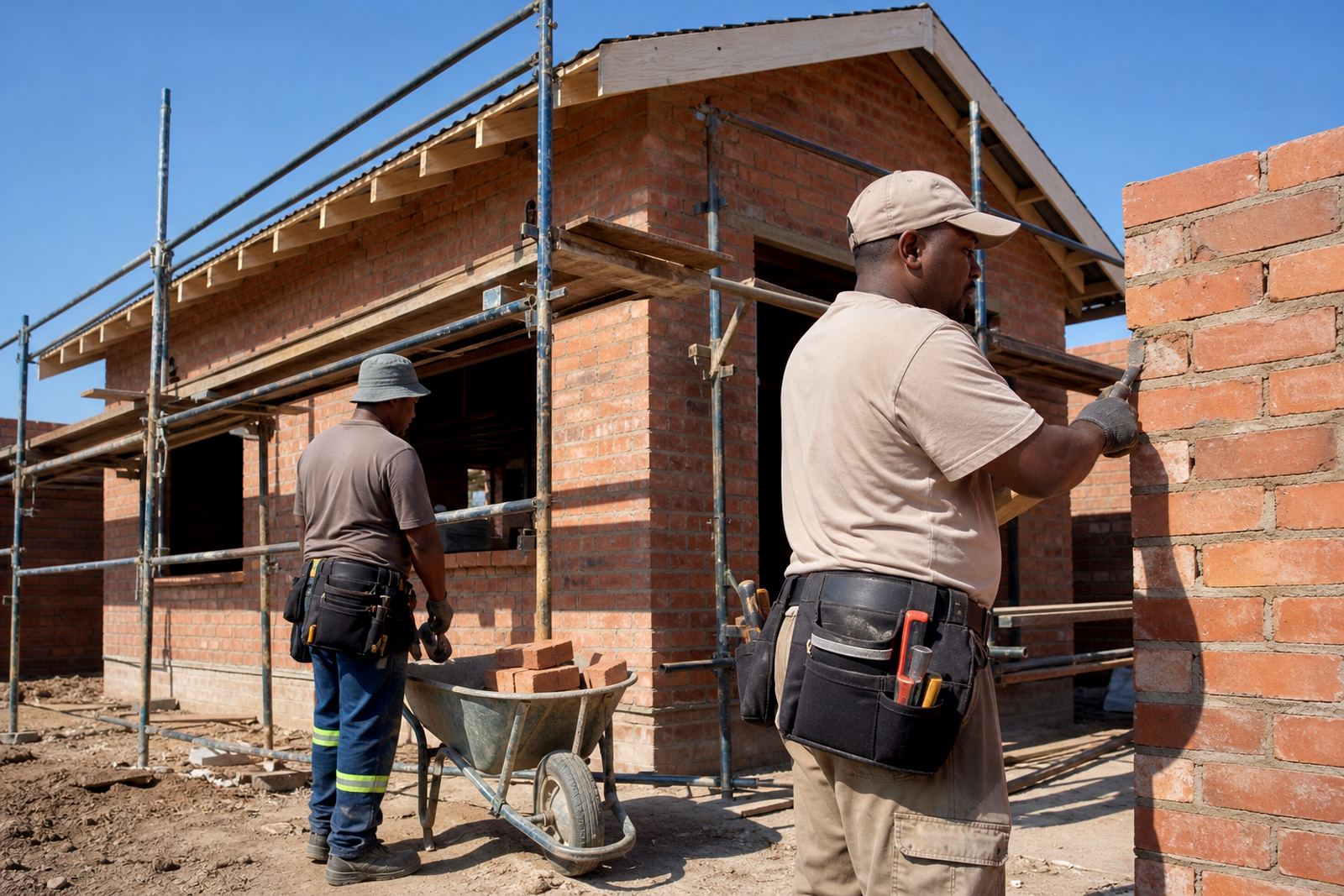
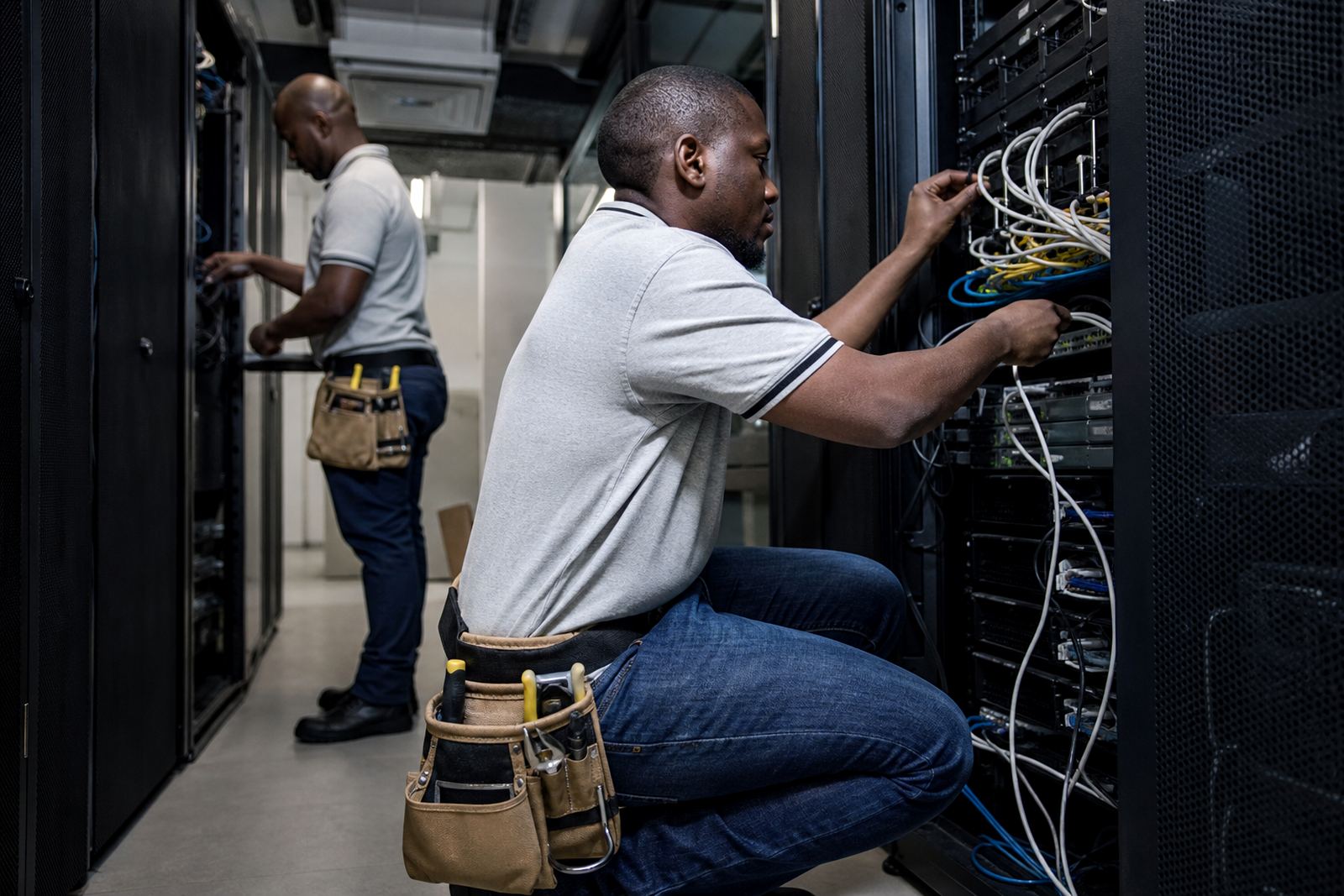
We supplied a mixed set of tool pouches and utility waist belts in sizes matched to different body builds and carry habits. The belt system used a wide waist strap for better weight spread, with pouches placed where the hand naturally reaches. For this job we kept the layout lean, because solar crews usually need speed more than bulk.
Each setup was planned around the most used items first, then the lighter consumables second. That way the heavier tools sat lower on the belt and the small items stayed organised instead of rattling around. We also made sure the belts could be tightened properly over workwear and still stay put when the team climbed, crouched or stretched across rafters.
- Compact tool pouches for hand tools and fixings
- Utility waist belts with adjustable fit
- Separate pockets for small electrical parts
- Reinforced stitching on high-wear points
- Easy wipe surfaces for dust and roof debris
Why the Layout Mattered on Solar Work
Solar installation is not the same as general building work. The installers move between the roof, the inverter point and the distribution area, often while juggling checks, labels and wiring prep. The wrong pouch layout slows a crew down. It can also mean clipped-on tools swing too much when moving along a ridge or stepping over roof fittings.
We set the carry positions so the team could keep one side for hand tools and the other side for fixings and small parts. That made the workflow easier when mounting rails, checking panel positions and sorting the final connection details. A neater belt layout also helps on busy residential sites where there is limited space and more risk of dropped items.
- Better balance while climbing ladders and moving on roof slopes
- Less time spent reaching into pockets
- Cleaner separation of tools and consumables
- Reduced loss of small parts on site
Constraints We Had to Plan Around
Randburg sites can range from older homes with tight access to newer properties with stricter homeowner rules, so the kit had to work in more than one setting. Some roofs had limited staging areas, and a few jobs had to be completed with neighbours close by and very little room to lay out tools. In those cases the pouch setup had to keep everything on the body, not on the floor.
We also allowed for Gauteng dust, sudden weather changes and the stop-start nature of solar work, where the crew may need to pack up quickly if the weather shifts. The pouches needed to stay secure when walking between the van and the roof access point. No one wants a belt that slips after an hour, it only causes frustration.
- Quick pack-up between roof runs
- Suitable for warm weather and layered winter clothing
- Secure fit over work trousers or overalls
- Practical for tight residential sites with limited laydown space
Timeline from First Order to Site Use
The full job ran over 2 weeks from brief to delivery. In week 1 we confirmed the team size, carry list and belt sizing. We then matched pouch placement to each installer’s working style and set up a small trial mix so the client could compare carry comfort before rolling it out to the full team.
In week 2 we completed the final supply, checked sizes again and packed the sets for issue to the crew. The client then used the belts on active installs in Randburg and nearby job sites. Feedback came back quickly: the pouches held shape well, the belts sat comfortably and the team could move faster between tasks without juggling loose items.
- Week 1: brief, sizing and pouch layout planning
- Week 2: final supply and team issue
- Result: immediate use on live rooftop installs
Results on Site and What Changed
Once the team started using the new carry sets, they reported fewer tool searches and less time spent climbing down for small parts. The compact layout also helped keep the roof area tidier, which matters when several installers are working the same section. A neater carry system means fewer interruptions and less chance of forgetting a fastener in the van.
The customer said the belts felt more comfortable across longer shifts and that the team could keep connectors, clips and cutters within reach without overloading their pockets. That made a noticeable difference on days when they had to move between panels, rails and wiring positions quickly. In practical terms, the kit paid for itself in reduced faffing about and better site flow.
- Faster access to fixings and hand tools
- Less pocket clutter and fewer dropped parts
- Better comfort on long roof days
- Cleaner workflow for repeat solar installs
What We Would Supply Again for a Similar Crew
If we were setting up another Randburg solar team, we would use the same approach: compact belt sets, a slim pouch layout and sizing matched to the actual crew, not just a standard issue mix. We would also keep the smaller items grouped by task, so one pouch handles fixings and another handles hand tools and marking items.
For solar installers in Johannesburg, Pretoria or anywhere else in South Africa, the best result usually comes from keeping the gear light, reachable and properly fitted. That is the part people overlook. Good belt selection does not need to be complicated, it just needs to suit the work day and not fight the person wearing it.
- Use compact pouches for rooftop work
- Match belt size to each installer
- Separate small parts from hand tools
- Keep the setup light enough for all-day wear
Key facts
| Project type | Rooftop solar installation carry setup |
|---|---|
| Town | Randburg, Gauteng |
| Team size | 6 installers |
| Timeline | 2 weeks |
| Carry system | Utility waist belts with compact tool pouches |
| Primary items carried | Connectors, clips, cutters, pliers, tape measure and markers |