
A Benoni repair crew needed order on the floor
The client was a warehouse repair team in Benoni that worked across racking, loading bays, roller doors and general plant maintenance. Their people were moving between quick fixes and planned repairs, so the brief was simple: keep the hand tools, fixings and small parts close at hand without slowing anyone down.
Before the order, the team was using mixed bags and pockets that did not hold shape well. Screws, plugs, fittings and drivers ended up mixed together and the repair pace suffered. With load-shedding changes, after-hours callouts and noisy warehouse conditions, they needed something that could be used one handed and still sit comfortably during a full shift.
We were asked to build a maintenance carry setup suited to repeated use, with enough structure for daily warehouse work but not so much bulk that it got in the way when climbing ladders or moving through narrow aisles. The team also wanted a cleaner way to keep fasteners separate from sharp tools.
The brief, limits and working conditions
The brief covered mixed small tools, fasteners and light fittings for repair staff who handled everything from door adjustments to bracket changes. The team wanted waist packs that could take a standard working load without sagging or twisting when fully loaded. They also asked for belt sizing that could suit different body types across the crew, because the same setup would be issued to several people on rotation.
- Work use: warehouse repairs, small maintenance calls and shift cover
- Carry mix: screwdrivers, pliers, cutters, tape measure, nuts, bolts and fixings
- Fit issue: shared issue across several staff members with different waist sizes
- Site conditions: dust, concrete floors, tight access areas and frequent movement
- Priority: keep tools visible, separate and easy to reach
One other point was durability. In a warehouse setting, pouches get dragged across metal edges, pallet corners and vehicle steps. The client did not want soft bags that collapse on the job, and they did not want a pouch layout that forces tools to pile on top of one another. That usually leads to slow work and unnecessary wear. so we kept the layout practical.
What we supplied for the repair team
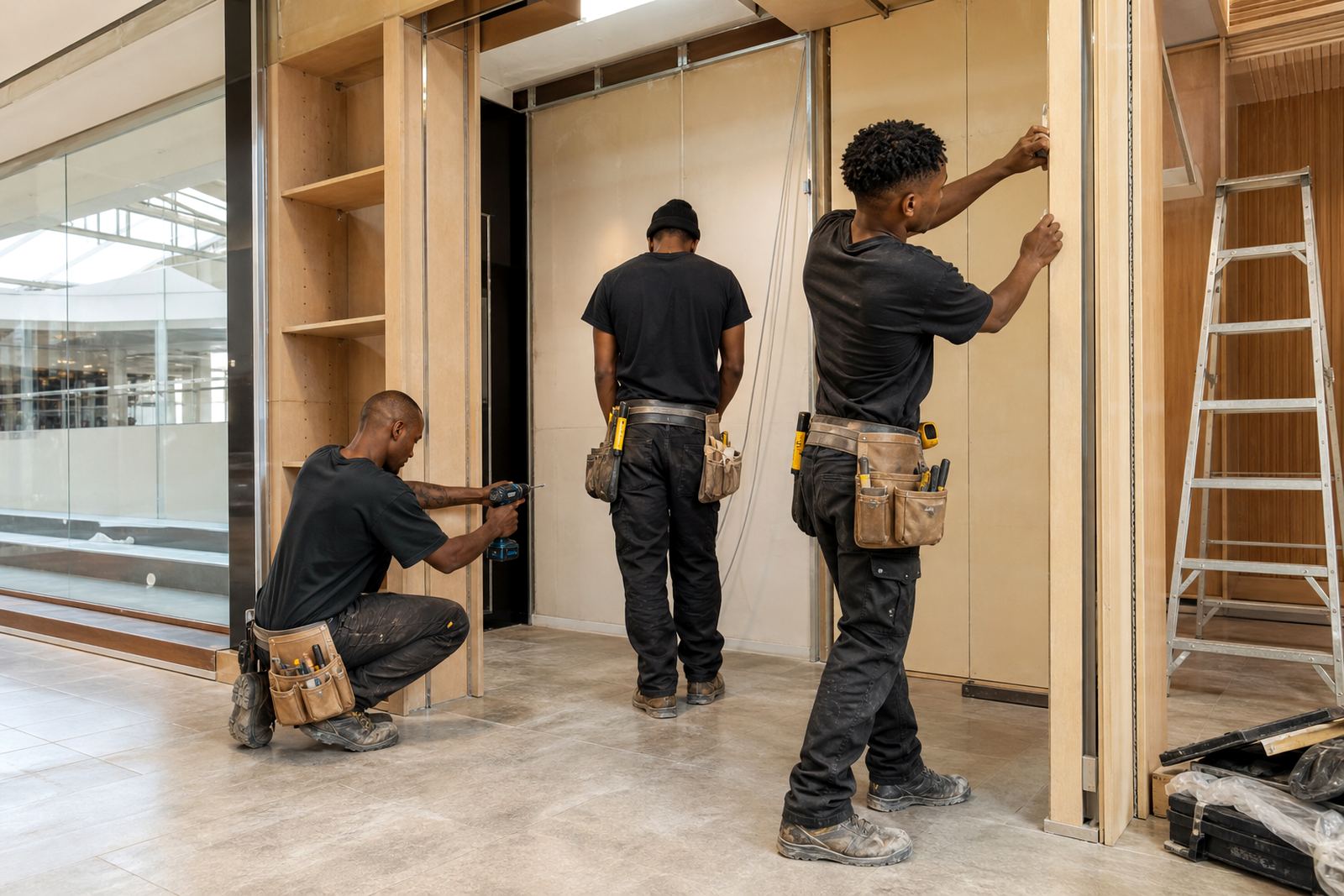
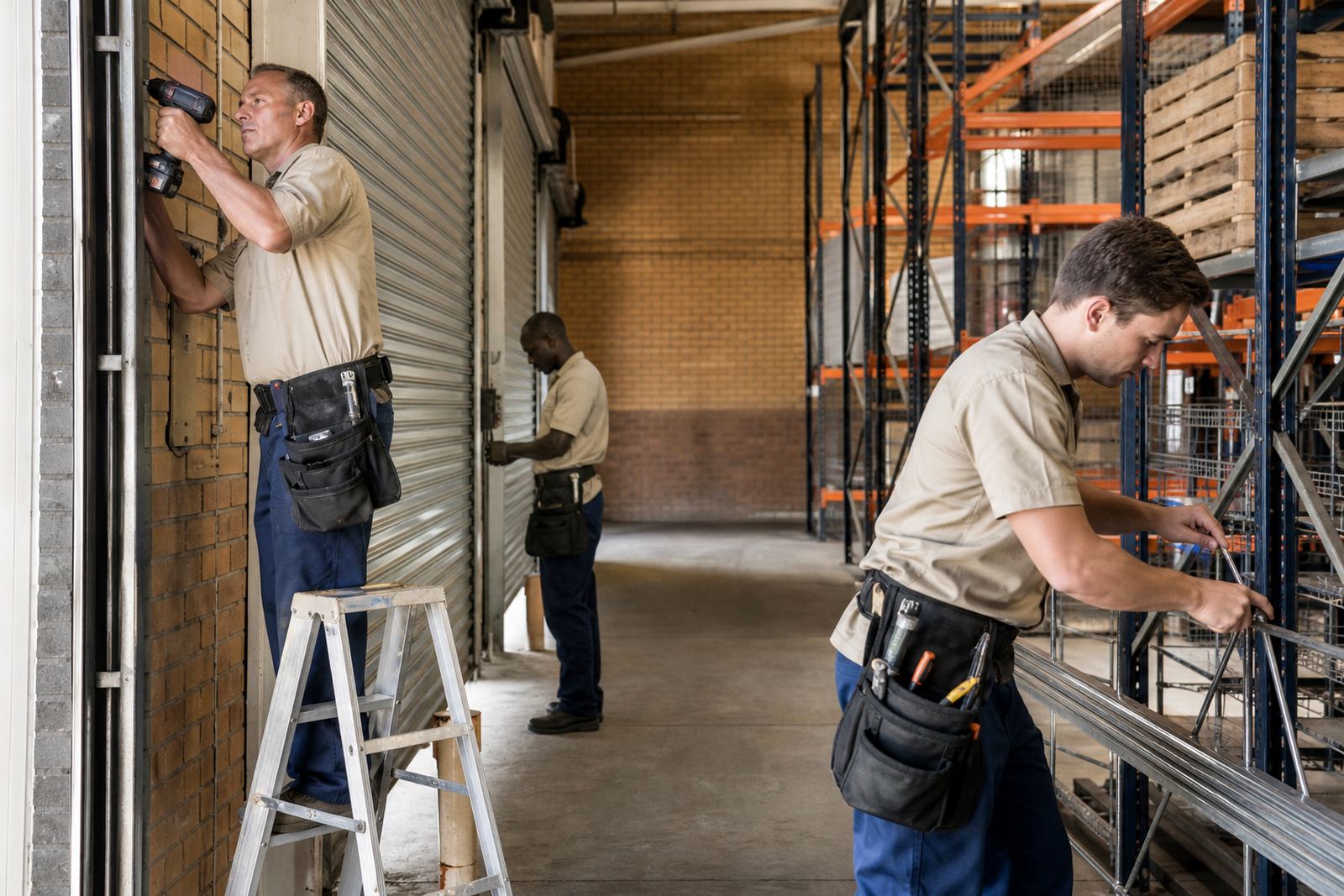
We supplied maintenance waist packs built for trade use, with reinforced stitching, firm body support and pockets sized for common repair items. The pouches were selected to keep the load balanced around the waist rather than hanging to one side. That matters when someone is on their feet for hours and needs to bend, lift or kneel without the pouch swinging around.
- Tool pouch bodies with reinforced stress points for repeated daily use
- Multiple pocket zones for drivers, pliers, cutters and small hardware
- Open access slots for frequently used items
- Dedicated sections to separate sharp tools from loose fixings
- Adjustable utility waist belts to match different staff sizes
We also set up a mixed trade layout so the team could store both repair tools and consumables in a way that made sense on site. For example, the fastener side was kept distinct from the tool side, which reduced rummaging and made handover between shifts easier. The result was a kit that worked across routine servicing and urgent breakdowns.
How the rollout was handled over three weeks
The project ran over three weeks from brief to issue. In week one, we confirmed what each repair person carried on a normal shift and what had to stay close to hand. In week two, we matched the waist belt sizes and finalised the pouch layout for the crew. In week three, the order was packed for issue and the team received a set that could be handed out straight away.
Because this was a working warehouse, delivery timing had to fit around active shifts. We planned the supply so the team could introduce the new waist packs without disrupting repair cover. That made it easier for the supervisor to issue kits by role, rather than trying to sort everything out during a busy day.
The team also wanted a clean setup for replacement stock later on. We made sure the ordering notes could be repeated for the same crew mix, which helped keep future top ups consistent. It also meant the repair lead did not have to re-explain the layout each time a new staff member was added.
Results on site after issue
After rollout, the repair team had better control over small parts and fewer delays looking for the right bit of kit. Fasteners stayed grouped properly, tools were easier to reach and the waist packs held their shape through the shift. This improved the pace of small fixes and made daily callouts more organised.
- Less tool mix-up during repairs and maintenance checks
- Faster access to the items used most often
- Better comfort during long periods of walking and standing
- Improved control of small fasteners and fittings
- Cleaner handover between shift staff
The warehouse team also reported that the pack layout reduced the need to go back to the workshop for items they already carried. That saved time, especially during short repair jobs where every minute counted. It also helped on busy days when the team was managing both planned maintenance and unexpected faults.
What we would do again for a similar warehouse job
If we were repeating this job for another warehouse in Benoni or elsewhere in Gauteng, we would keep the same approach: first confirm the actual carried load, then size the belts to the people using them, then separate the pouch layout for tools and fixings. That order keeps the kit practical instead of overbuilt.
We would also keep a small buffer for replacement items and staff changes, because warehouse teams often have shift rotation and cover arrangements. A good carry setup is only useful if it can be maintained after the first issue. For a repair crew, the right waist pack is not about looks. It is about having the right item in the right place every day.
For mixed maintenance work, we would still recommend a layout that prioritises access, balance and simple storage. That is the part that saves time on site and keeps the team moving. No fuss, no loose clutter, just a setup that works when the warehouse is busy.
Key facts
| Project location | Benoni, Gauteng |
|---|---|
| Client type | Warehouse repair team |
| Supply type | Maintenance waist packs, tool pouches and utility belts |
| Timeline | 3 weeks from brief to issue |
| Primary carry items | Drivers, pliers, cutters, tape measure, nuts, bolts and fixings |
| Outcome | Cleaner tool organisation, faster access and better shift comfort |