Retail fit-out conditions in Germiston
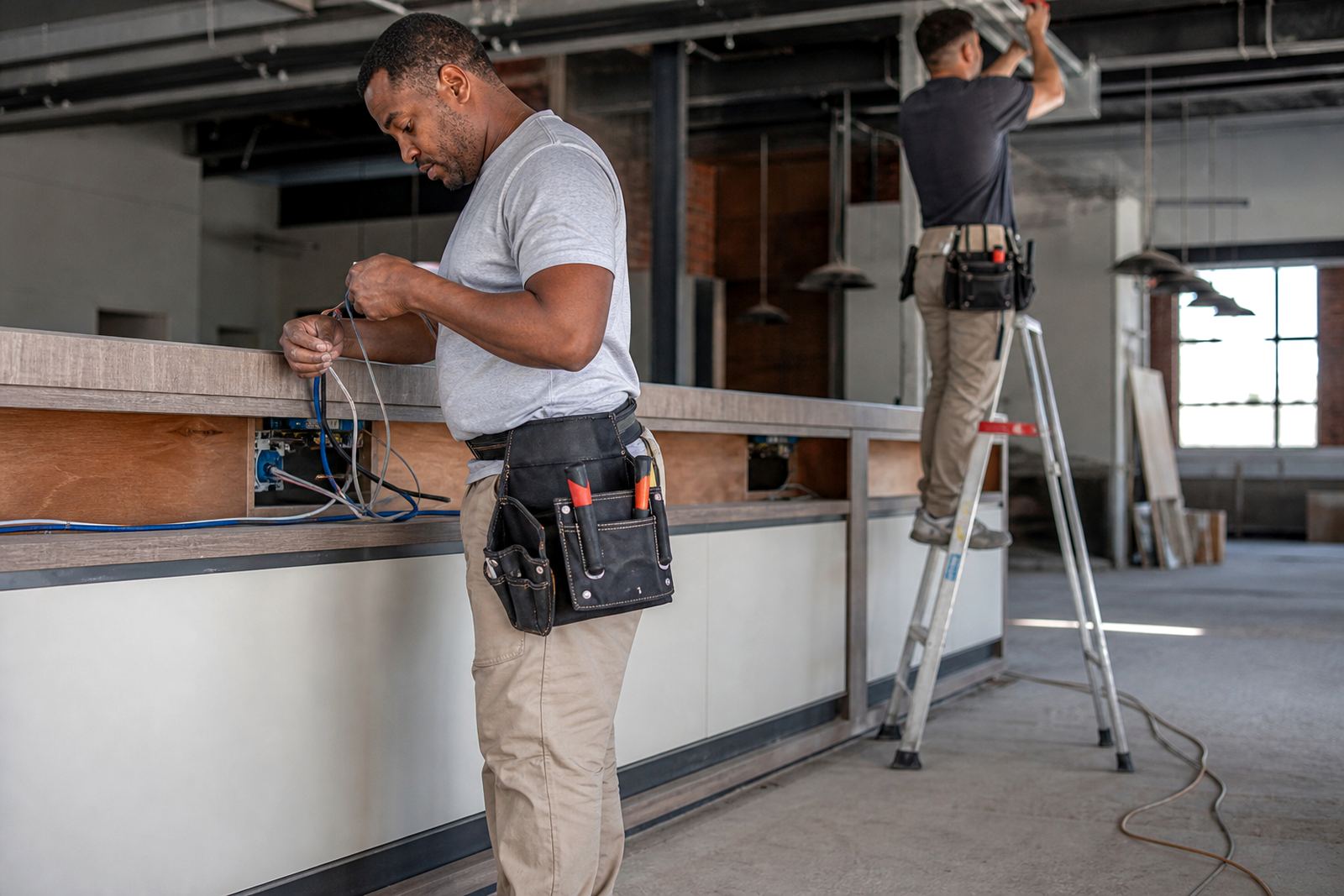
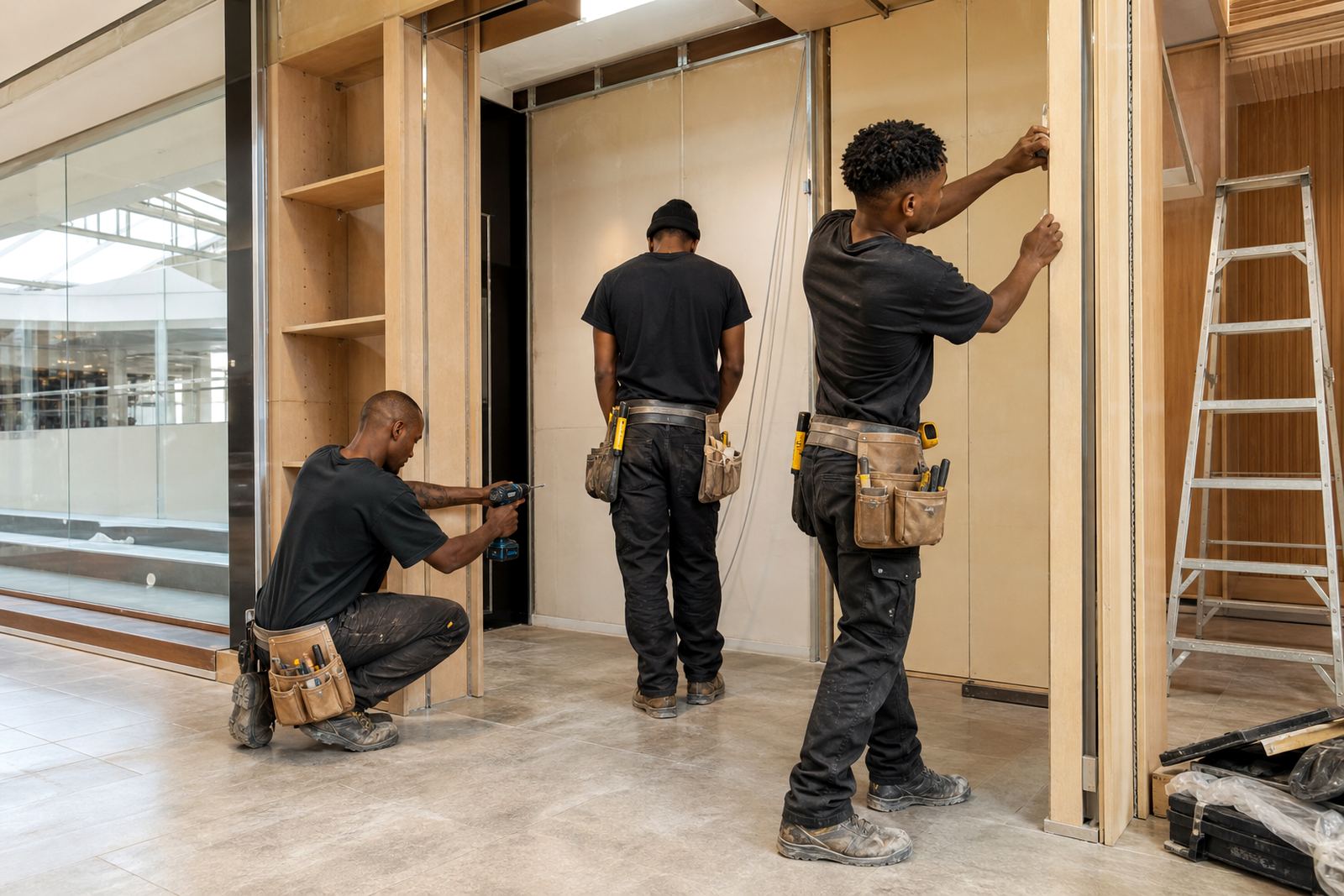
The project was for a shopfit crew working in a busy commercial unit in Germiston, Gauteng. The unit had narrow gangways, limited laydown space and a hard deadline tied to handover, so every trade on site had to work neatly and move fast. There was no room for bulky carriers swinging into display carcasses, glass panels or fresh finishes.
The brief was simple: reduce tool clutter, improve access to small items and keep the crew comfortable through long shifts. Because the job ran alongside other contractors, the pouches also had to stay tidy and not catch on fittings or snag while the team moved between prep, install and punch list tasks. In a space like that, even a small improvement in fitment makes a difference.
- Town: Germiston, Gauteng
- Project type: Retail shopfit
- Site condition: Tight commercial unit with limited storage
- Priority: Fast access, less bulk, safer movement
What the crew needed from their carry gear
The team asked for compact utility belts that could handle mixed tasks across the day. The electricians needed a place for screwdrivers, compact testers, connectors and fixings. The shopfitting crew needed room for tape measures, pencils, knife blades, drill bits and small fastening items without having to return to a central box every few minutes.
We worked from the reality of the site rather than a one-size approach. That meant checking belt size matching, pouch depth and how much weight each person was comfortable carrying for a full shift. The right layout keeps the load balanced at the waist and stops the belt from riding up when you kneel, lift panels or climb short access steps.
- Compact pouch footprint for narrow walkways
- Split storage for fasteners and hand tools
- Comfortable waist fit for all-day use
- Suitable for electricians and shopfitters
What we supplied for the rollout
We supplied a mixed set of utility waist belts, tool pouches and nail bags suited to the work sequence on this project. The belts were chosen for everyday carry, with reinforced stitching, firm webbing and tool access that did not require the user to remove gloves. Pouches were selected in different layouts so the crew could separate electrical items from general fit-out tools.
For this rollout, we also helped the client decide on pouch placement, so the heaviest items sat in positions that were easier on the back and hips. Where needed, we adjusted the carry mix for left handed and right handed users. The result was a cleaner setup that was easier to work from in a small commercial unit.
- Utility waist belts for mixed trade use
- Tool pouches for fasteners, blades and small hand tools
- Nail bags for fixings and consumables
- Layout advice for left and right handed carry
Delivery and planning over two weeks
The order was handled over a two week period so the crew could be issued with the right sizes before the busiest installation phase began. Week one was used for pouch layout planning, quantity checks and belt size matching. Week two covered final supply, packing and delivery planning to keep the rollout aligned with the site programme.
Because the unit was small, we kept the supply batches organised by person and by trade role. That made distribution easier on site and reduced confusion when the team came on shift. It also meant the foreman could hand out kit quickly without pausing the rest of the crew. During load-shedding windows and early starts, a simple issue process matters more than people think.
- Week 1: Requirements check and pouch planning
- Week 1: Belt size matching for each user
- Week 2: Packed supply and delivery coordination
- Week 2: Final issue by trade role and task type
How the belts changed day to day work
Once the belts were in use, the crew spent less time walking back to the tool box and more time on the task in front of them. Fixings, blades, markers and smaller electrical items stayed close to hand, which helped with speed and kept the work area neater. In a retail fit-out, tidy movement is not only about appearance, it helps protect finishes and keeps the site moving.
The client reported better comfort on longer shifts too. The belts sat more securely at the waist and the lighter pouch layout reduced unnecessary strain. For a hot commercial unit, especially where dust and traffic were constant, having the right carry setup kept the crew from overloading their pockets or leaving tools on counters where they could go missing.
- Less back-and-forth to the toolbox
- Cleaner movement through narrow work zones
- Better control over small fasteners and consumables
- More comfortable wear through long shifts
What we would repeat on the next shopfit
If we were doing the same kind of project again, we would repeat the same approach: keep the kit compact, separate the trade roles early and issue pouches before the site gets crowded. That gives the crew time to settle into the layout and avoids last-minute changes when the pressure is already on.
We would also keep mixed trade kits as an option for smaller fit-outs where one person may need to cover a few tasks in a single shift. For Germiston and similar commercial units across Gauteng, that kind of planning is practical and saves time. It is a small adjustment but it pays off once the job starts moving quickly.
- Confirm the work sequence before final issue
- Match pouch layout to each trade role
- Keep spare belts and pouches ready for replacements
- Plan for compact storage in tight commercial sites
Key facts
| Project | Germiston Shopfit |
|---|---|
| Town | Germiston, Gauteng |
| Client type | Retail fit-out crew |
| Timeline | 2 weeks |
| Main supply | Utility waist belts, tool pouches, nail bags |
| Primary outcome | Faster access and easier movement in a tight unit |