Site conditions in Kempton Park
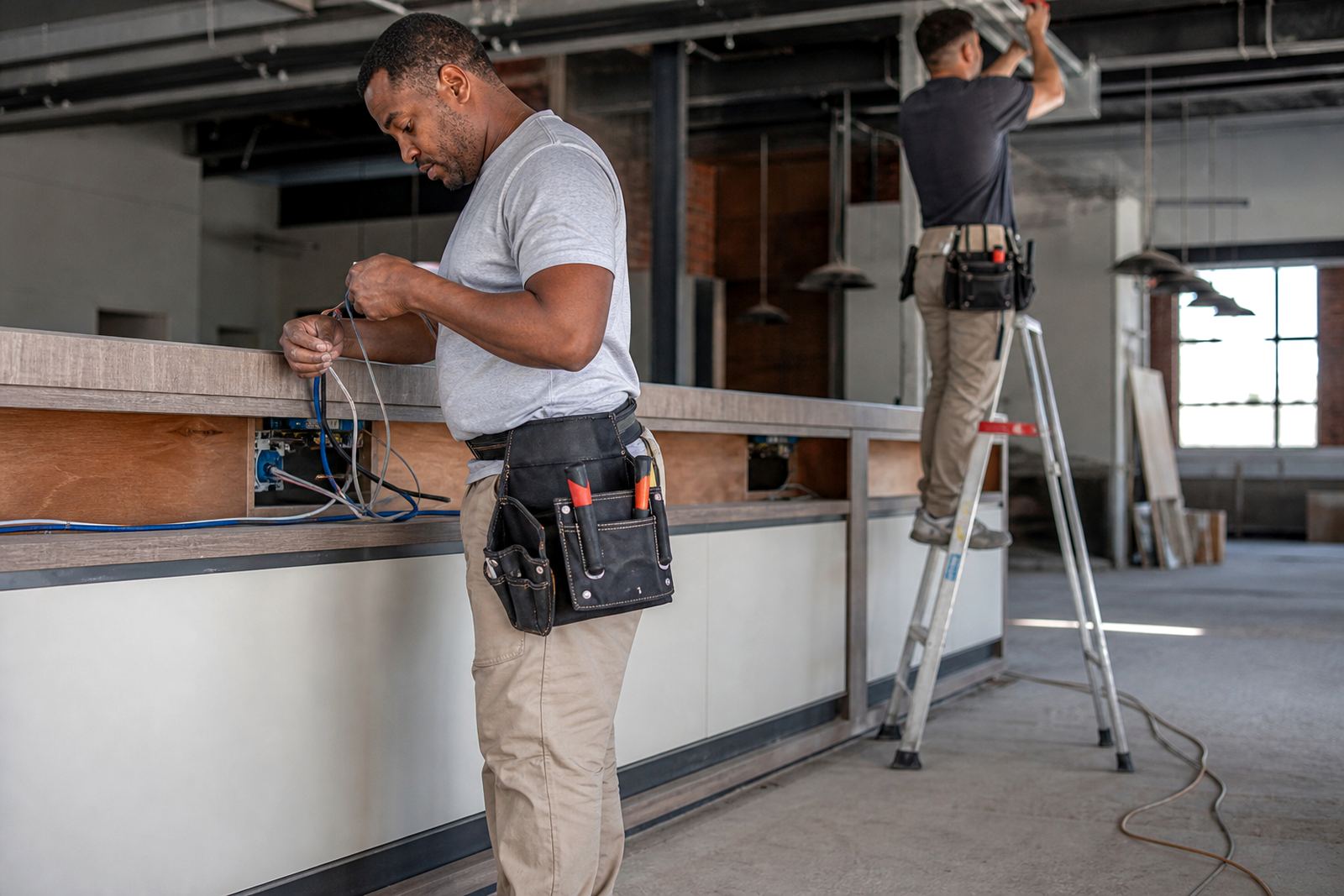
The project was for a shopfit crew working on a busy commercial fitout in Kempton Park, Gauteng. The team was moving between timber work, trim fixing and lighting prep, so they needed tool carry that would keep the small items close at hand without slowing them down. The brief was simple: reduce time spent walking back to the toolbox and keep fasteners, pencil, tape and cutters in one place.
The site had the usual fitout pressures. Space was tight, trades were working in the same area, and the crew had to stay tidy so they were not dragging loose screws, blades or drill bits across finished surfaces. There was also the matter of load-shedding and patchy site lighting at certain times, which meant the men needed to keep a clear layout on their belt and not waste time searching for the right item in the dark.
What the crew asked us to solve
The foreman wanted a practical carry system that could handle mixed trade work. Some installers were doing joinery and skirting, while others were handling light fittings, plugs and small fixings. A one-pocket approach would not work. They needed pouches with enough separation for consumables, but still light enough to wear all day. They also wanted belt sizes that would fit different body types properly, since an uncomfortable belt gets left in the van after a few days.
- Separate space for screws, rawl plugs, blade packs and markers
- Quick access for tape measures and small cutters
- Belts that sat flat over work trousers and did not slip
- Sets that could be issued to different staff members without confusion
- Carry options suitable for indoor fitout work where neatness matters
The crew asked for a mix of pouches rather than one standard kit. That gave them enough flexibility to split tasks by trade and by shift, which helped on a project where the work changed from one day to the next.
The gear we supplied and how it was laid out
We put together a mixed order of service pouches, nail bags and utility waist belts for the Kempton Park team. The pouches were chosen for good pocket depth, reinforced stitching and enough structure to hold shape when loaded. We also matched belt lengths to the individuals using them, because a proper fit makes a real difference when people are climbing ladders, kneeling or turning through narrow work areas. The order was staged for a 2 week rollout so the crew could test the layout and then fine tune it before the heavier finishing phase.
- Utility waist belts in a range of sizes for fit adjustment
- Service pouches with multiple compartments for fasteners and fixings
- Nail bags for the installers handling repeated screw and plug work
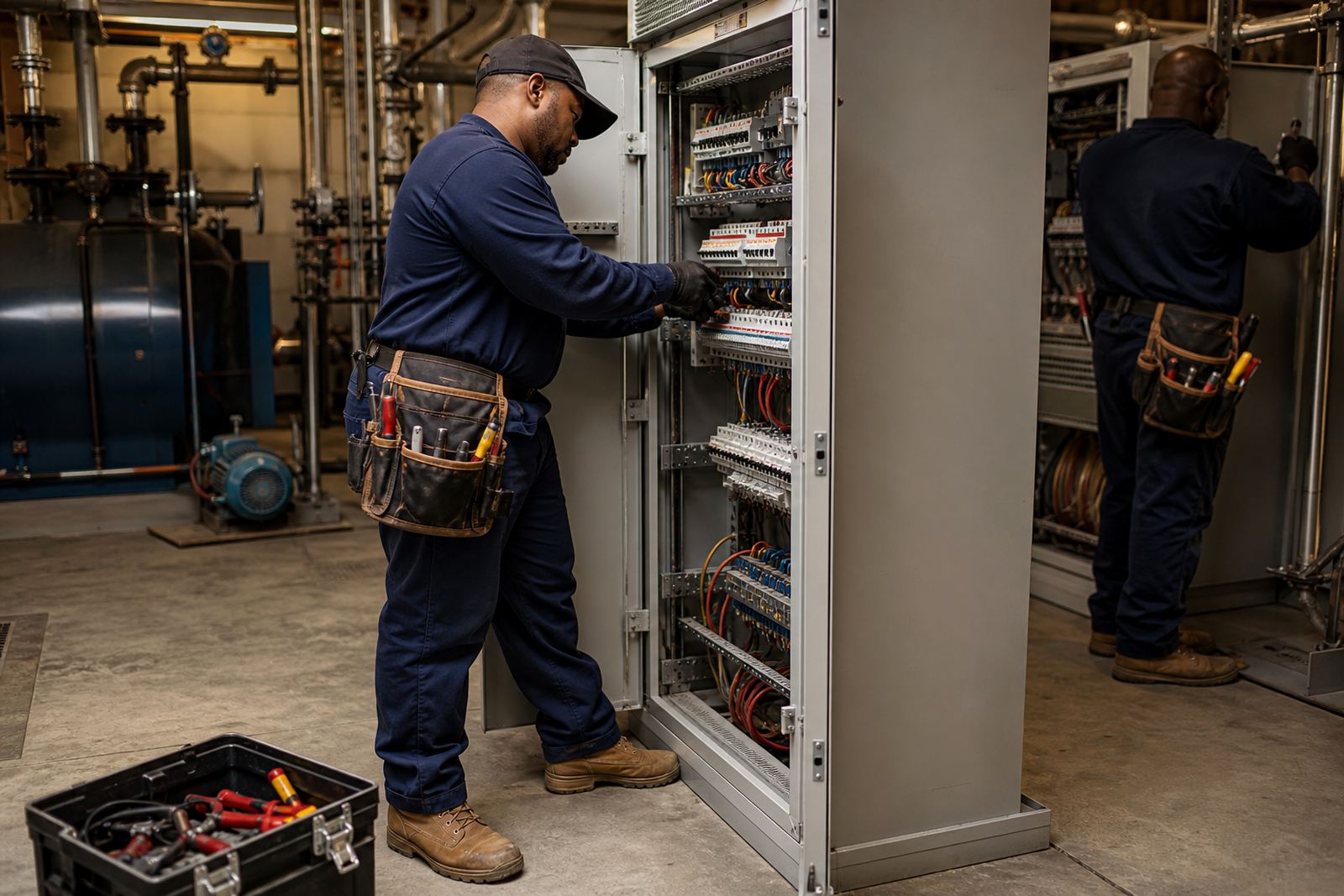
- Mixed trade packs for crew members switching between carpentry and electrical tasks
- Starter layout guidance so each pouch had a clear purpose on the belt
We also helped with pouch layout planning so the heaviest items sat low and the most used tools were easy to reach from either side. That made the setup more comfortable over a full day and reduced the amount of twisting, which is important on a site where the team is constantly moving between rooms.
Timeline from order to issue
The full process ran over 3 weeks. In week one, we confirmed the crew size, task split and belt sizes. In week two, we prepared the mixed supply and set aside the pouch combinations that suited the joinery and lighting teams. In week three, the order was issued to the site and the foreman distributed the kits to each installer. The timing worked well because the crew had enough lead time to get used to the carry system before the final fit and snag work started.
There was no need for a complicated rollout. The project only needed careful selection, a clean handover and clear guidance on which pouch was for which trade. That made the start-up quick, which is often what matters most on commercial fitouts where every day has a deadline attached to it.
Results on the fitout floor
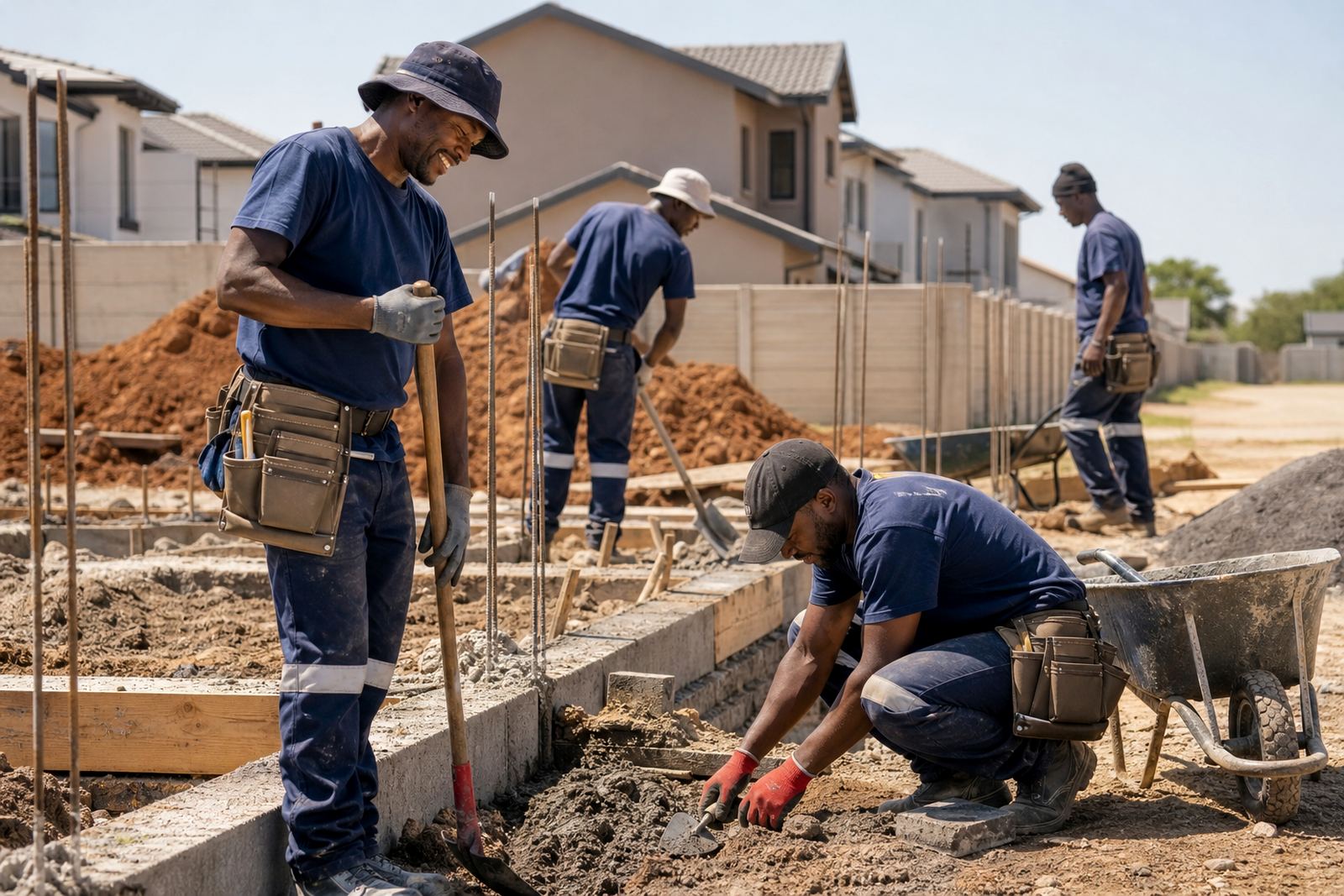
Once the kits were in use, the crew spent less time walking back and forth for small items. Fasteners, pencil marks and bits were kept where they should be, so the installers could stay focused on the task in front of them. The foreman reported better order on the floor and less clutter around the work areas, which helped with both speed and presentation.
The biggest gain was consistency. Each person had a belt set up to suit the way they worked, so there was less swapping around and less searching. On a project with joinery and lighting happening side by side, that kind of small efficiency saves real time over the week. It also reduces wear and tear on the crew, because they were not carrying loose tools in pockets or on hand constantly.
- Less backtracking to the toolbox
- Cleaner work areas around finished surfaces
- Better carry comfort during long shifts
- Clear separation between electrical and carpentry items
- Faster task changes between rooms and trades
What we would repeat on the next job
If we were doing the same Kempton Park fitout again, we would keep the same approach: mixed pouch selection, proper belt sizing and a clear issue plan for the crew. That format worked because it matched the way the site operated, not the way a catalogue is arranged. We would also recommend a small replenishment pack for sites like this, since screws, blades and marking consumables can move through quickly once the pace picks up.
For similar shopfit crews working in Johannesburg, Pretoria, Durban, Cape Town or Polokwane, the best results usually come from matching the pouch layout to the actual day’s work. A lighting installer and a trim fitter do not need the same loadout, and forcing one setup across the whole team usually creates friction. A practical kit, sized properly and issued on time, is the simplest answer and it holds up well on active sites.
Key facts
| Project town | Kempton Park, Gauteng |
|---|---|
| Client type | Shopfit crew working on a commercial fitout |
| Supplied items | Service pouches, nail bags and utility waist belts |
| Timeline | 3 weeks from sizing to site issue |
| Key use case | Joinery and lighting tasks on the same project |
| Support included | Pouch layout planning and belt size matching |