
Maintenance Team Brief from Pinetown
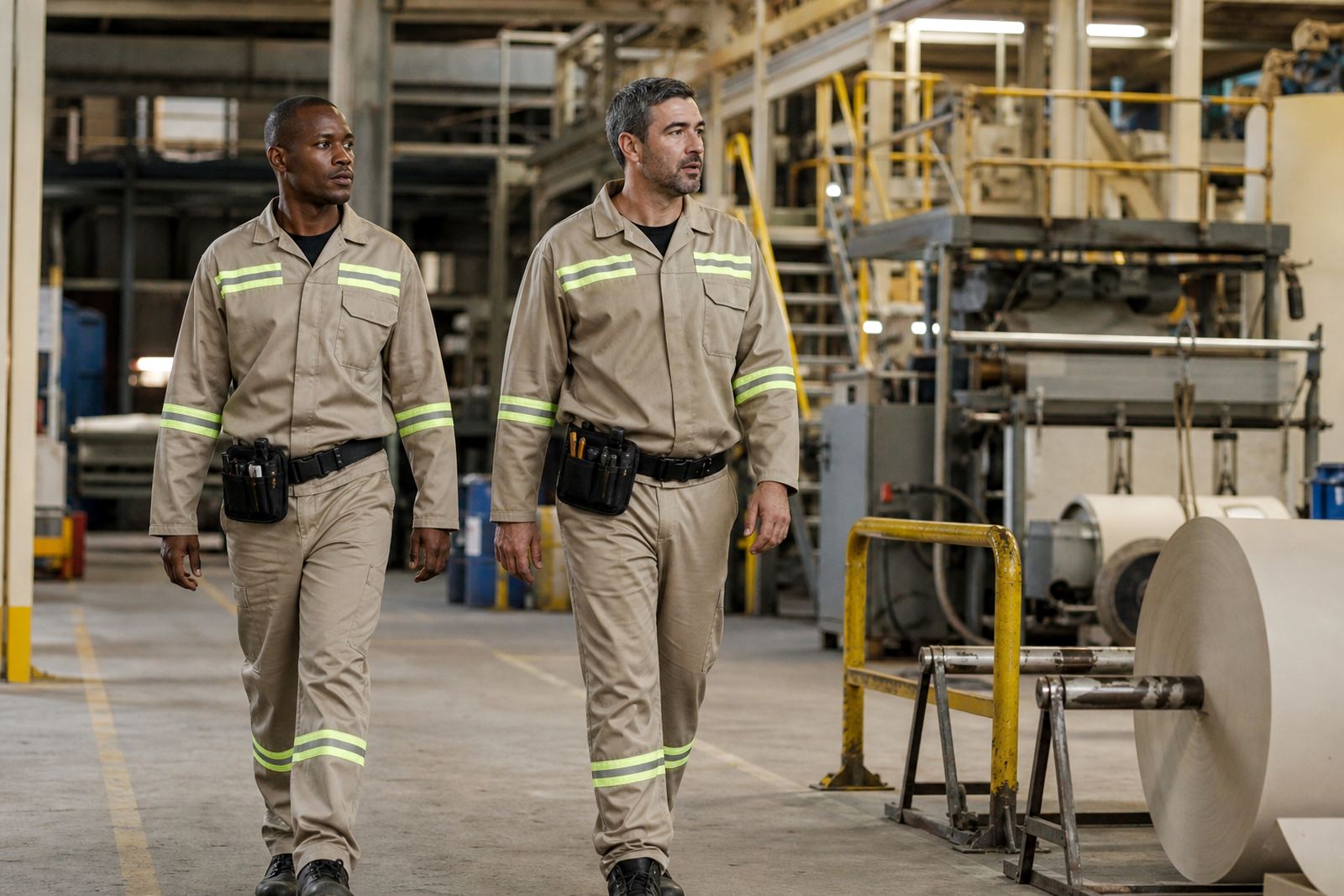
The client was a factory maintenance operation in Pinetown, KwaZulu-Natal, servicing a mixed site with production lines, plant rooms, conveyors and general building maintenance points. Their team handled daily call-outs for electrical faults, basic mechanical repairs and small compliance fixes, often moving from one end of the site to the other in a single shift.
The brief was simple enough to say, but not easy to get right. They wanted service pouches that would reduce back-and-forth trips to the workshop, keep fasteners and hand tools sorted, and stand up to daily wear in warm, dusty sections of the plant. They also wanted one system that could work for both electricians and maintenance fitters, so the team did not have to carry different bags for every job. On wet days, and during summer humidity, the kit also had to hold up without the leather or fabric going soft.
What Was Getting in the Way On Site
Before the new issue, staff were using a mix of small carry bags, loose pockets and improvised tool holders. That caused slow-downs during call-outs because the right driver bit, test pen, tape or spanner was not always on hand. Some pouches were too small for the tools they actually used. Others were bulky and tired the hips and lower back before the end of a shift.
There were also practical site constraints. The team worked around moving equipment, oil residue, dust and occasional wash-down areas. A pouch needed secure stitching, reinforced stress points and enough rigidity to keep items from falling out when climbing ladders or reaching into panels. The belts had to suit different waist sizes, and the setup had to be comfortable over a work shirt or rain gear. This was not a decorative purchase, it needed to work on the floor, every day.
- Frequent electrical and mechanical call-outs across a large factory floor
- Need for quick access to common hand tools and small fixings
- Comfort over full shifts in hot and humid conditions
- Durability for dusty, oily and occasionally wet work areas
Kit We Supplied for the Rollout
We supplied a mixed set of service pouches and utility waist belts matched to the maintenance team’s daily tasks. The layout was planned so that electricians could carry insulated hand tools, a tester, pencil, tape and fixings, while mechanical staff had room for pliers, small sockets, screws, clips and consumables. Each pouch was chosen for practical storage rather than oversized capacity, because the team wanted speed and balance more than bulk.
The belt sizes were matched to the team in advance so staff could move straight into use without costly returns or adjustments. We also set out starter configurations for different roles, including a lighter pouch for inspection work and a fuller kit for breakdown response. The result was a consistent system across the team, not a patchwork of random bags. The order included durable belt hardware, stitched pockets and reinforced carry points for regular site use, and the finish was selected to suit South African workshop conditions where tools get used hard and cleaned often.
- Utility waist belts sized for different body types and workwear layers
- Tool pouches with multiple compartments for hand tools and fixings
- Nail bags for fast access to consumables and small parts
- Mixed trade layout support for electrical and mechanical use
Project Timeline and Rollout in 2 Weeks
The project was completed over two weeks from first brief to final issue. In week one, we discussed the work patterns, tool lists and the movement of staff around the plant. We then planned pouch layouts and belt sizes for each role. In week two, the order was prepared, checked and issued in grouped sets so the maintenance team could start using the gear without confusion.
Because the client wanted a practical rollout, we kept the process tight and clear. Supervisors could hand out the right kit by task type, and the team did not have to spend time sorting out missing pockets or wrong belt lengths. That kind of planning matters on a factory site where downtime is measured in minutes, not hours. A small delay on a panel fault can hold up an entire line, so the carry system had to make sense from day one.
Results After the New Pouches Went Into Use
Once the new service pouches were issued, the maintenance team could move more quickly between electrical and mechanical call-outs. Tools stayed organised, staff spent less time returning to the workshop, and the load on each person was better balanced. That made a real difference in a busy plant where call-outs come in clusters and there is no time for hunting through a bag.
The client also reported better discipline around stock use. Because the pouch layout was clearer, staff carried the same core items more consistently and could see what was missing before starting a job. That helped with replenishment and reduced those last-minute runarounds for screws, fittings or test gear. The belts sat more comfortably through a shift, which mattered for staff who are on their feet for long periods and climbing in and out of plant areas. In short, the kit helped the team stay mobile and focused, and the site ran smoother because of it.
- Faster movement between call-outs across the factory floor
- Better access to small tools and everyday consumables
- Less time wasted returning to the store room
- More consistent kit across the maintenance team
What We Would Repeat for Another Factory Site
If we were setting up another factory maintenance team, we would do the same three things again. First, match the pouch layout to real tasks, not a generic tool list. Second, size the belts properly before issue so staff can wear them comfortably over normal work clothing. Third, split the kits by job type, with electrical and mechanical configurations that cover the most common call-outs without overloading the wearer.
We would also recommend a simple stock replenishment plan from the start. That keeps the pouches useful after the first few weeks, rather than leaving people to improvise when a pocket wears out or a consumable runs low. For Pinetown type sites, where weather, dust and long shifts all play a part, practical planning makes the difference between kit that gets used and kit that gets left in the store. The job is to keep people moving, not slowing them down.
Local Supply Support for Pinetown and Beyond
Waistbags Pro supplies tool pouches, nail bags and utility waist belts from Alberton, Gauteng to maintenance teams, builders and electricians across South Africa, including Johannesburg, Pretoria, Durban, Cape Town, Polokwane, Midrand and Centurion. Our team supports bulk orders, starter kit builds, site specific selection and contractor order support for projects that need tidy issue and reliable replenishment.
For factory maintenance work in Pinetown and other industrial areas, we keep the focus on function. The right pouch should help a technician get to the fault faster, keep the small parts where they belong, and hold up through proper daily use. That is what this project needed, and that is what we supplied.
Key facts
| Client type | Factory maintenance team |
|---|---|
| Town | Pinetown, KwaZulu-Natal |
| Project timeline | 2 weeks |
| Supplied items | Service pouches, nail bags and utility waist belts |
| Use case | Electrical and mechanical call-outs |
| Key features | Reinforced stitching, multi-compartment layout, belt size matching |