
Renovation Brief From a Multi-Trade Cape Town Site
The client was a renovation contractor managing a townhouse upgrade in Cape Town, with builders and electricians moving through different phases over 12 weeks. The brief was simple in theory but tricky on the ground: each crew needed tool storage that could change with the job, stay comfortable in long days, and hold up in salty air near the coast.
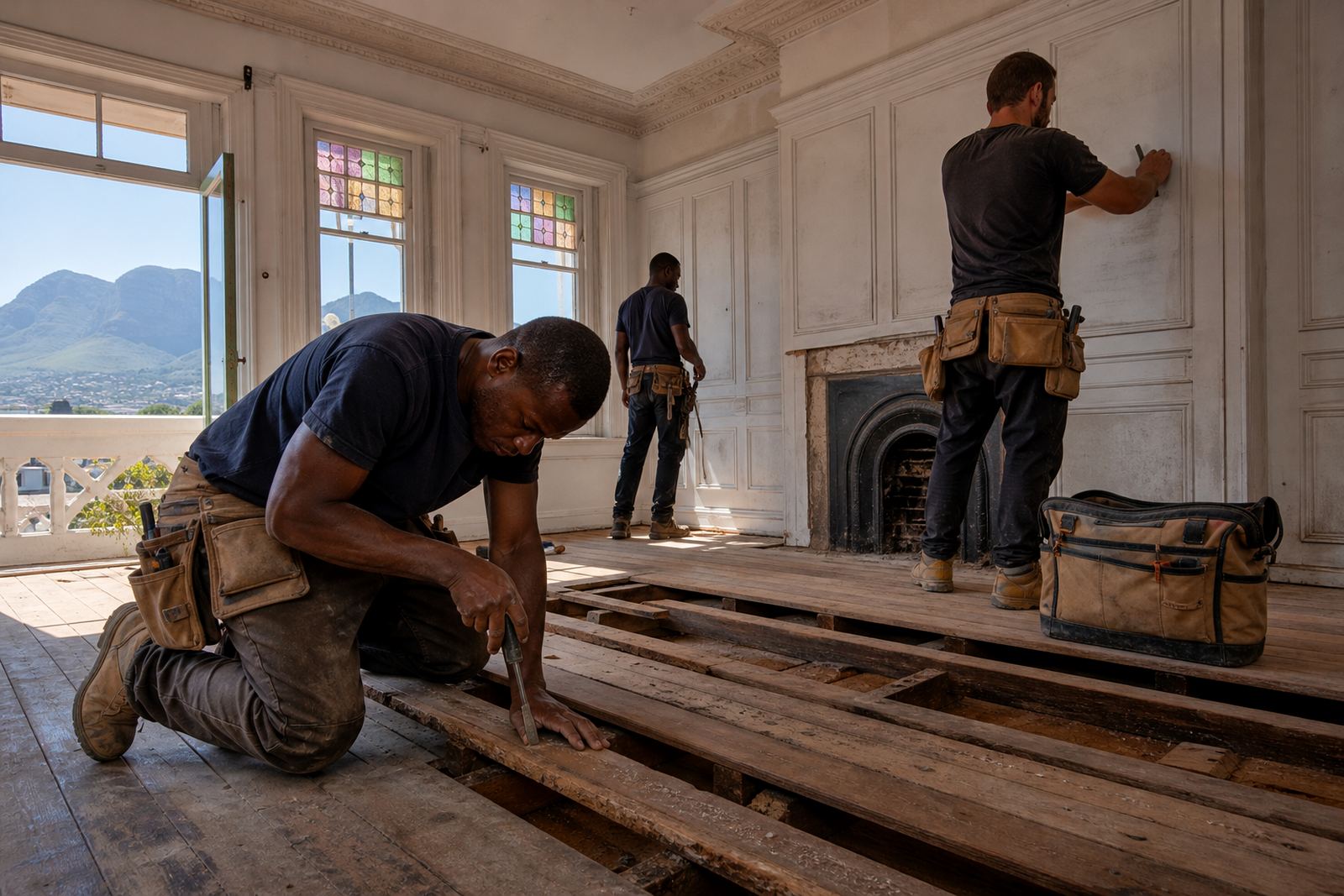
They did not want one heavy pouch setup for every worker. During demolition the team needed larger nail bags and fast access loops, while during fit-off the electricians needed slimmer pouches for testers, screwdrivers, fixings and small components. We planned for that changeover from the start so the contractor did not have to reissue gear halfway through the project.
What Made the Site Hard To Equip
Cape Town weather played a part. The project had cool mornings, windy afternoons and some exposed storage areas, so the contractor needed gear that dried quickly and did not become awkward after a damp night on site. There was also limited lock-up space, which meant the team wanted fewer loose items and more organised carry systems.
The contractor also had to manage two work streams at once. One crew was cutting and fixing timber while another team handled conduit, cabling and device installation. That meant the same person might need a hammer pouch in the morning and a slimmer electrician layout by the afternoon. We kept the kit flexible enough to handle that without buying separate sets for every stage.
- Coastal humidity meant materials had to cope with damp conditions and repeated use.
- Load-shedding affected site timing, so workers needed tools ready when the team could get power back on.
- Storage on site was tight, so compact pouch sets were easier to issue and keep track of.
The Modular Waistbag Setup We Supplied
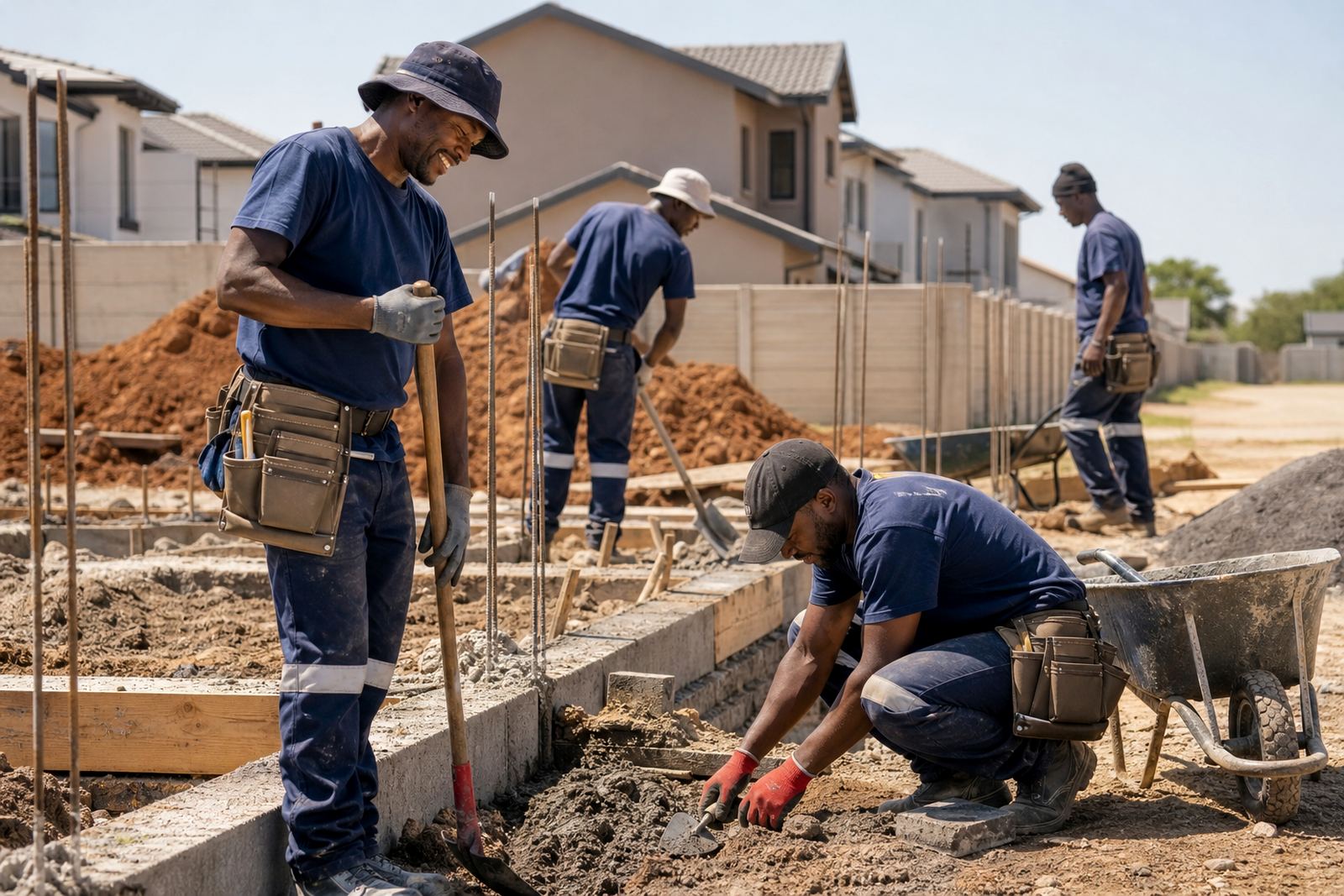
We put together a mixed order of tool pouches, nail bags and utility waist belts with a few different configurations. The contractor wanted consistency across the team, but with enough flexibility to support different trades. We supplied belt sets in multiple sizes, with reinforced stitching, metal fittings and practical pocket layouts for small hand tools and fixings.
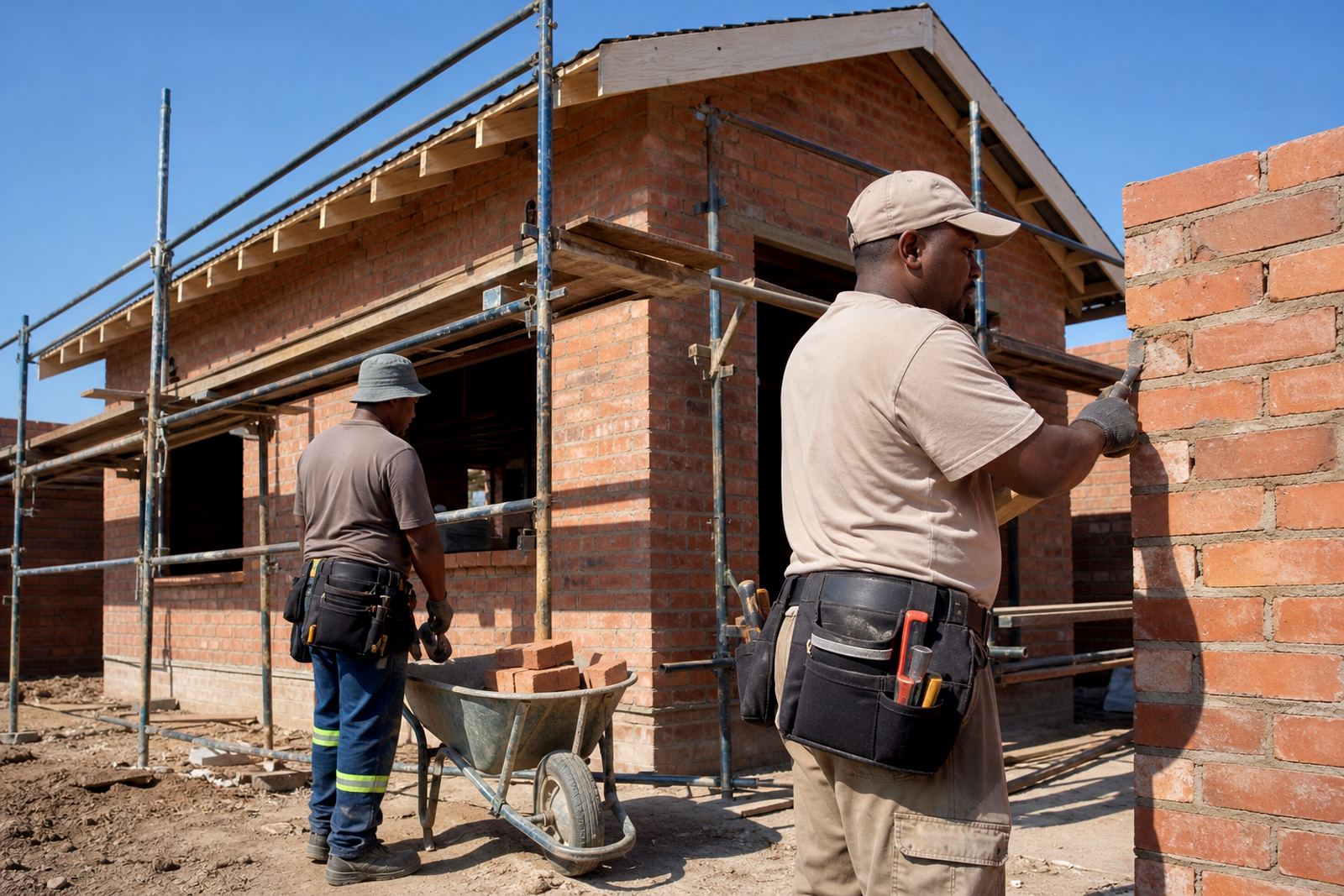
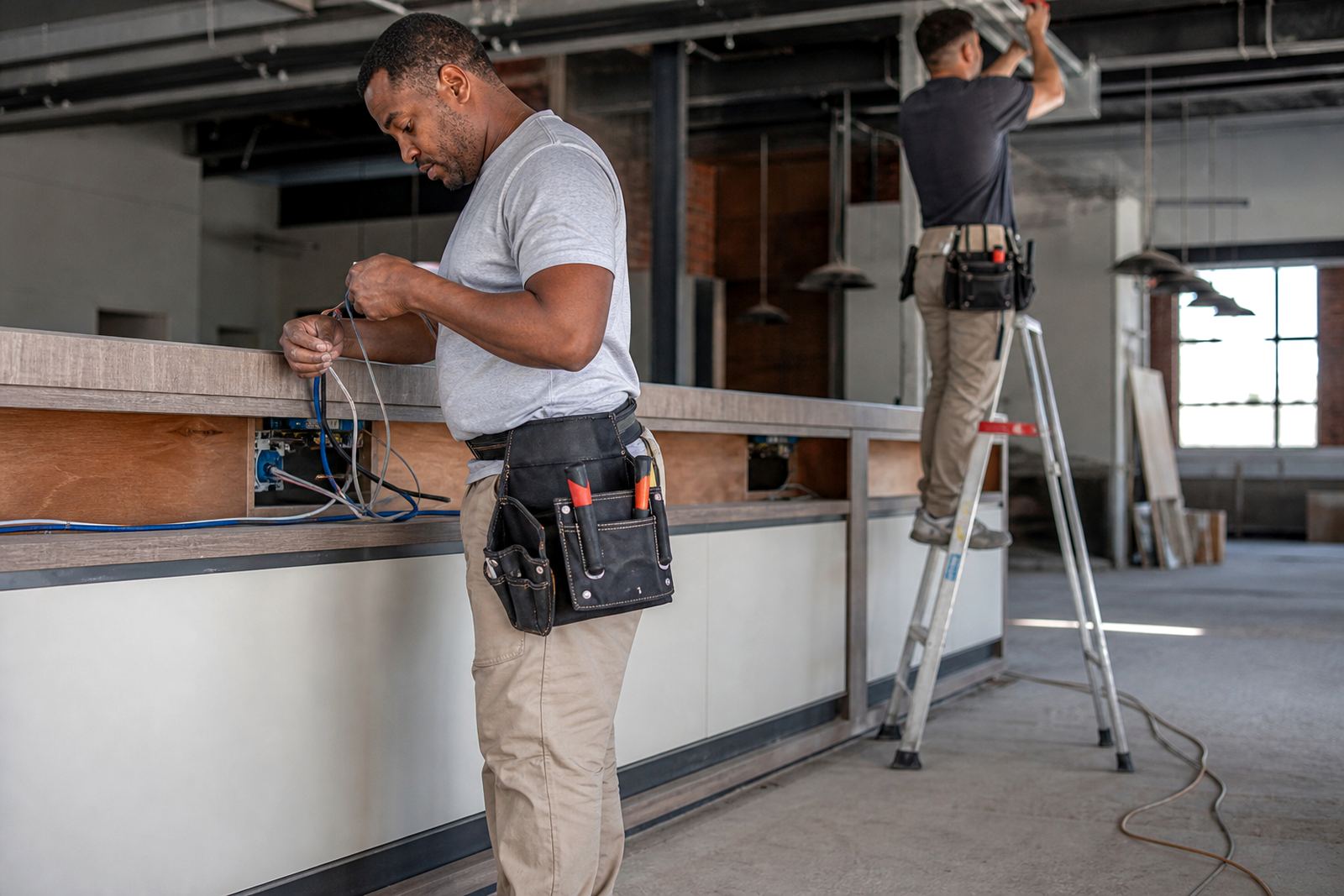
The main builder sets had deeper pouches for nails, anchors and consumables, plus hammer loops and side slots for pencils, tape measures and chisels. The electrician sets were slimmer, with separate compartments for screwdrivers, cutters, insulated hand tools and a small parts section for clips and terminals. Each belt was adjusted for a secure fit so workers could bend, climb and kneel without the pouch twisting.
- Heavy duty webbing belts for repeated daily wear
- Reinforced seams for site use and frequent loading
- Mixed pocket depths for tools, fixings and small parts
- Quick adjustment sizes for different body types on the same crew
- Layout options for builders and electricians on one project
How We Managed the Supply Over 12 Weeks
The project rolled out in stages over 12 weeks, and we supplied the gear in three planned drops. The first delivery covered demolition and strip-out, when the contractor needed basic carrying capacity for fast-moving hands-on work. The second drop supported carpentry, framing and chasing, where the teams needed more pouch space for fixings and marking tools. The final drop was for finishing and electrical fit-off, when slimmer layouts helped reduce bulk.
We also helped the contractor with pouch layout planning before each stage began. That meant deciding what each worker actually carried instead of overloading them with unused pockets. It sounds small, but it made a real difference when the foreman had to move people between rooms and keep the job moving.
- Week 1 to 2: starter kits for strip-out and site setup
- Week 3 to 6: builder pouch sets for framing and first fix
- Week 7 to 10: electrician layouts for cabling and installation
- Week 11 to 12: finish-stage kits and replenishment items
Results on Site and Feedback From the Foreman
The main result was less time wasted looking for small items. With the right pouch on the right belt, workers kept the common tools on hand instead of walking back to the materials pile every few minutes. The foreman told us the team started working more cleanly too, because fixings and consumables were not scattered across pockets, buckets and windowsills.
The contractor also reported better comfort on long shifts. That mattered because a pouch that sits badly becomes a nuisance by midday. The belt size matching helped here, especially for the smaller electricians and the heavier builder sets. Once the team settled into the right configurations, the gear stayed in rotation through the full programme without needing replacements mid-project.
For a renovation, that kind of consistency counts. The work changes every week, and the carrying system needs to keep up without becoming another admin problem.
What We Would Repeat On the Next Cape Town Renovation
If we were setting up the same kind of project again, we would do the same three things. First, split the order by task phase instead of by job title only. Second, keep a small buffer of mixed trade kits for new hands joining the site. Third, plan for weather and storage from day one, especially on coastal jobs where damp conditions can affect gear left in open areas.
That approach suits renovation work in Cape Town because no two weeks are identical. A team might be installing skirting on Monday, running cable on Wednesday and fixing hardware on Friday. With modular waist belts and the right pouch layouts, the crew stays organised and the project manager has one less thing to chase.
Key facts
| Project type | Residential renovation in Cape Town |
|---|---|
| Timeline | 12 weeks |
| Trade mix | Builders and electricians |
| Products supplied | Tool pouches, nail bags and utility waist belts |
| Supply method | Staged deliveries with pouch layout planning |
| Key advantage | Modular sets for changing task loads across the project |