Durban Roofing Crew Brief and Site Conditions
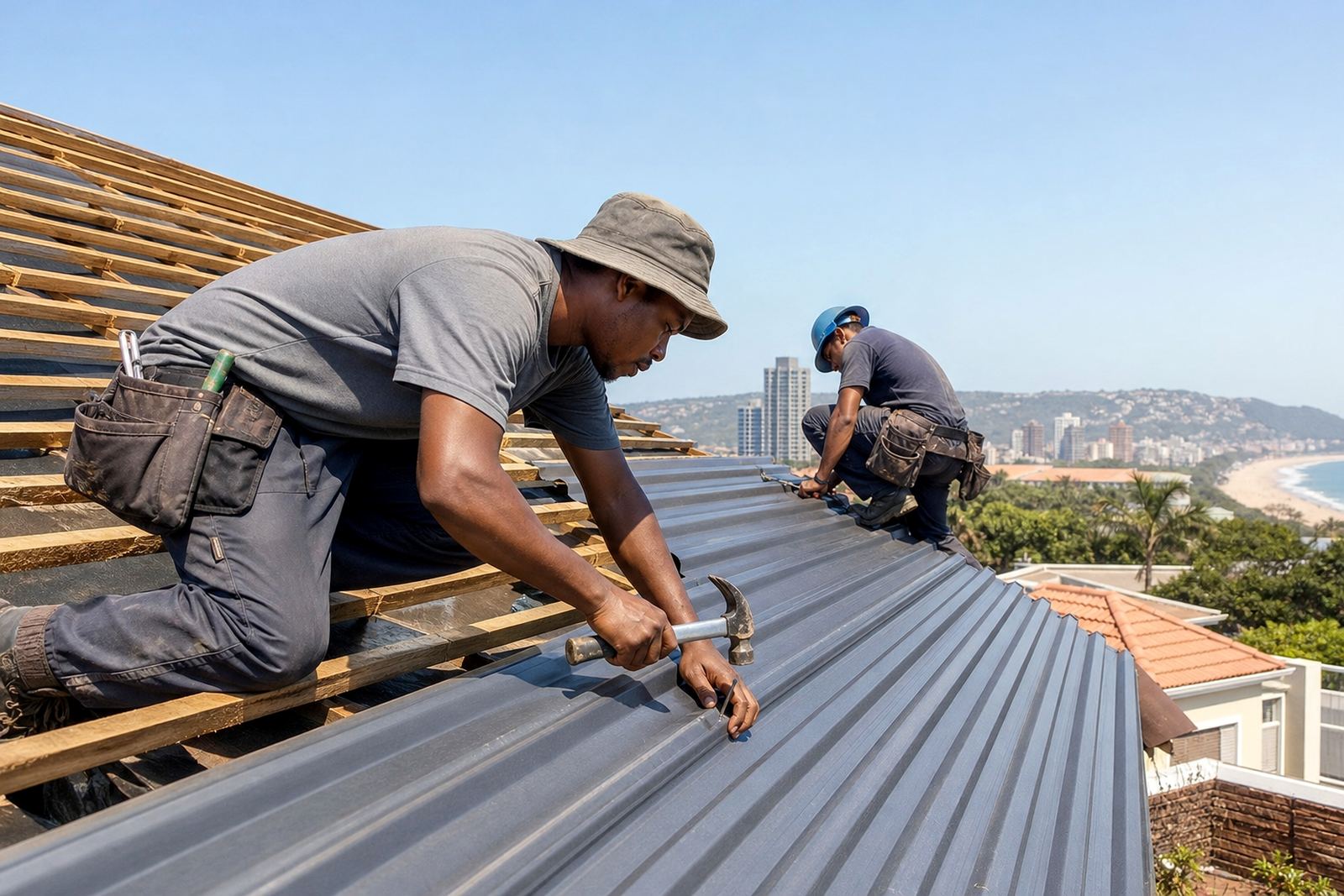
The team was a roofing contractor working across Durban and nearby coastal suburbs, where salt air, humidity and sudden weather shifts can wear down soft gear quickly. Their main problem was not the amount of work, but the time lost reaching for nails, screws and fixings every few minutes while working on pitched roofs.
The brief was straightforward: supply nail pouches that would keep fasteners close at hand, stay secure while climbing and kneeling, and hold up under repeated use. The crew also wanted belt sizing that would suit a mixed group of installers, from shorter fitters to taller supervisors, without the pouches slipping or swinging during movement.
- Location: Durban, KwaZulu-Natal
- Trade: roofing installation and repair
- Work conditions: coastal humidity, wind exposure, long shifts
- Main need: fastener access and tool control on roofs
What We Supplied for Faster Fastener Access
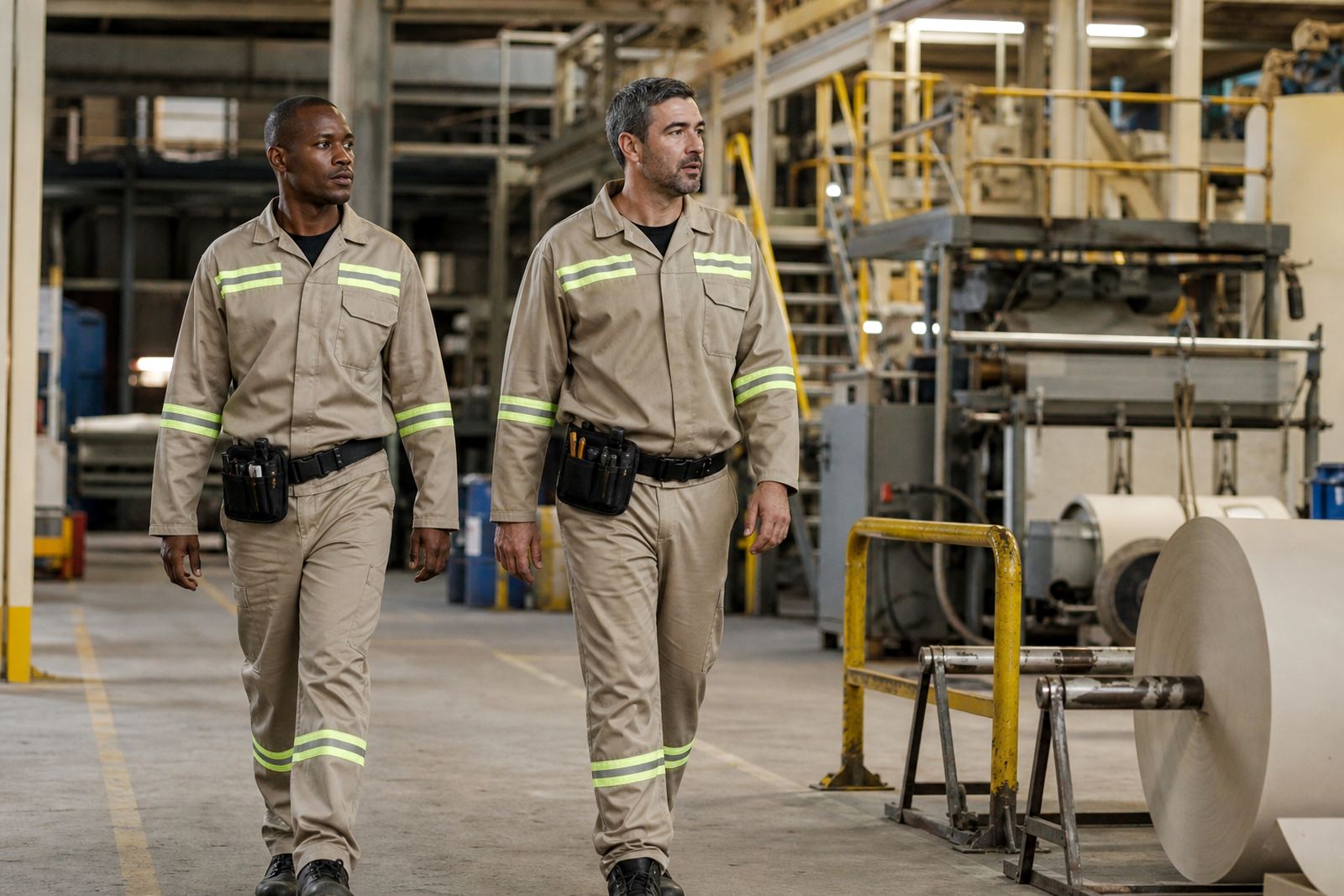
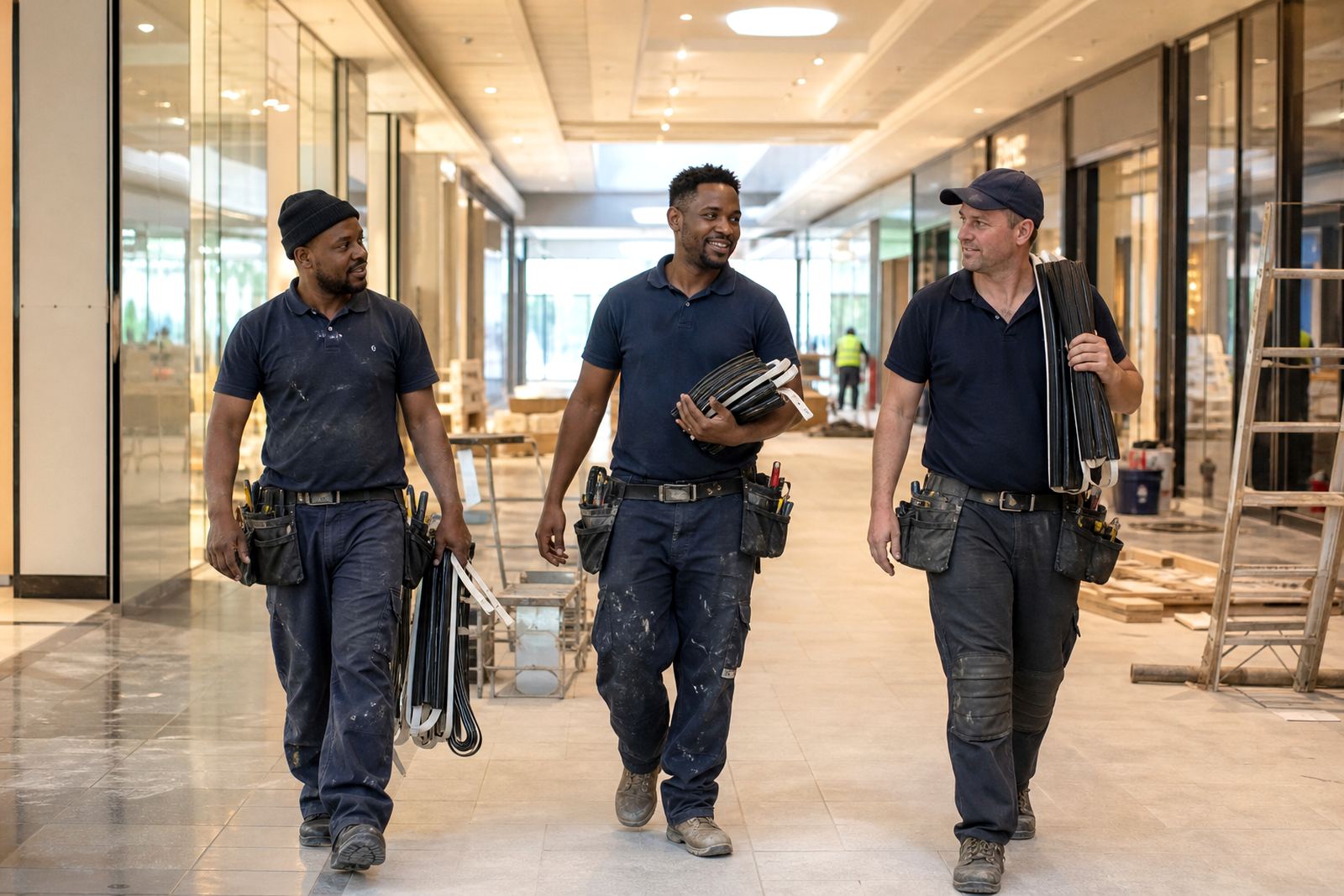
We supplied a set of durable nail pouches and utility waist belts selected for roofing work, with pouch compartments sized for nails, screws, clips and small hand tools. The chosen layout kept heavier fixings low and central, while lighter items sat in the outer sections for easier reach.
The crew received a mix of standard and larger-capacity pouches so different roles on site could carry what they needed without overloading one person. Belt sizes were matched to the team to allow a firm fit over workwear, with enough adjustment for winter layers and rain gear. The stitching and edging were specified for repeated daily use, as roof work puts extra strain on seams and corners.
- Secure fastening points to reduce pouch swing on ladders and slopes
- Multiple pockets for nails, screws, roof clips and marking items
- Utility waist belts with adjustable fit for different body sizes
- Hard-wearing build suited to coastal moisture and dust
Pouch Layout Planning and Belt Size Matching
Before final supply, we mapped out the pouch layout for the crew so the most-used fasteners sat in the same position across the team. That consistency matters on site, because workers can swap tasks without pausing to search for what should be in each pocket.
Belt size matching was handled for the full crew list, including installers and site leads. We allowed for waist variation, over-clothing fit and the different carry loads each person handles. A proper fit helps keep the pouch from twisting while climbing scaffolding or moving across roof trusses.
- Matched belt lengths for each team member
- Layout planning for repeated task flow
- Suitable for roof sheeting, flashing and fixing work
- Easy access while wearing gloves
Three-Week Rollout for the Durban Site Team
The project moved from brief to delivery over three weeks. Week one covered the use case, team sizes and the type of fasteners used on the roofing jobs. Week two went into pouch and belt selection, followed by size matching for the crew. Week three covered packing, checking and handover for the Durban team.
The schedule was kept tight so the contractor could put the new kit into service before the next run of coastal work. This also gave time to check for any changes in fastener volume, because roofing crews often use different fixings on repairs compared with new installations.
- Week 1: crew brief and work pattern review
- Week 2: pouch layout and belt matching
- Week 3: packing, checking and handover
Results on the Roof and in the Yard
After issue, the crew reported faster access to nails and fixings, with less time spent reaching into shared containers. The pouches stayed secure during ladder work and on pitched surfaces, and the team found the belt fit more comfortable during long morning shifts. That is especially useful in Durban, where heat and humidity can make gear feel heavier than it should.
The contractor also noted better order at the yard level. Because each pouch was set up in a predictable way, replacements and stock checks became easier. If a pouch had to be swapped out, the team could match the same layout again instead of retraining everyone.
- Quicker fastener access during roofing work
- Less clutter on the work surface
- Better comfort across full shifts
- Cleaner stock control for repeat jobs
What We Would Repeat for Similar Coastal Roofing Teams
If we were setting up the same type of crew again, we would follow the same approach: start with the work pattern, match the belt sizes properly, and keep the pouch layout simple enough for fast use in real site conditions. For coastal roofing, we would also keep an eye on stitching strength, moisture resistance and how the kit feels after repeated climbing and kneeling.
We would also keep the order split by role where needed. A roofer who handles fixings all day does not need the same carry pattern as a supervisor or a runner moving stock around the site. Getting that right from the start saves time later and reduces wear on the gear.
- Start with the task, not just the quantity of gear
- Match sizes before the first delivery
- Keep layouts simple for repeated daily use
- Allow for humidity, salt air and long shifts
Key facts
| Project | Durban roofing team |
|---|---|
| Town | Durban, KwaZulu-Natal |
| Supply type | Secure nail pouches and utility waist belts |
| Timeline | 3 weeks |
| Key challenge | Fastener access in coastal roofing conditions |
| Outcome | Faster reach, better comfort and tidier site carry |