
A Working Pouch For Plastering Jobs
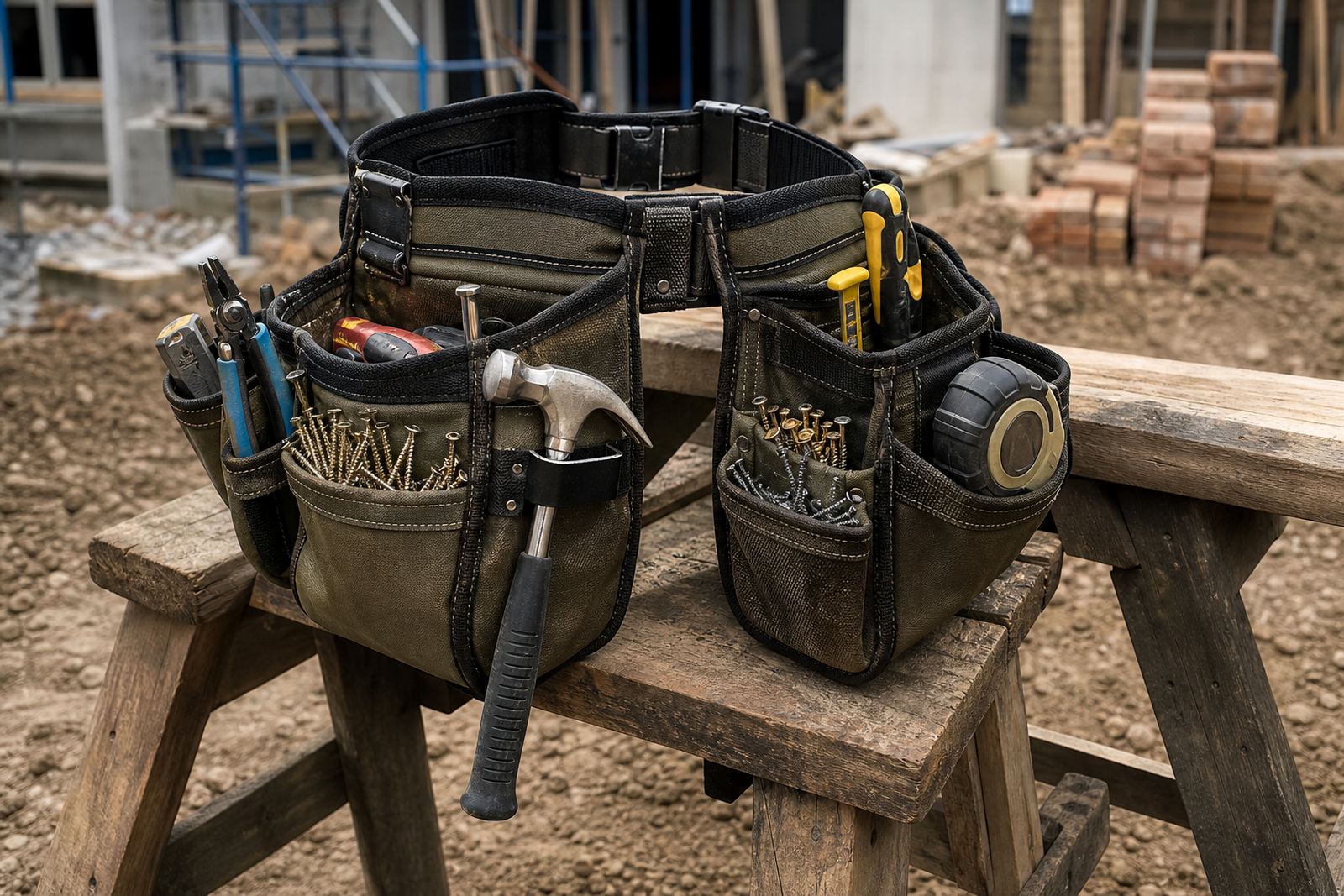
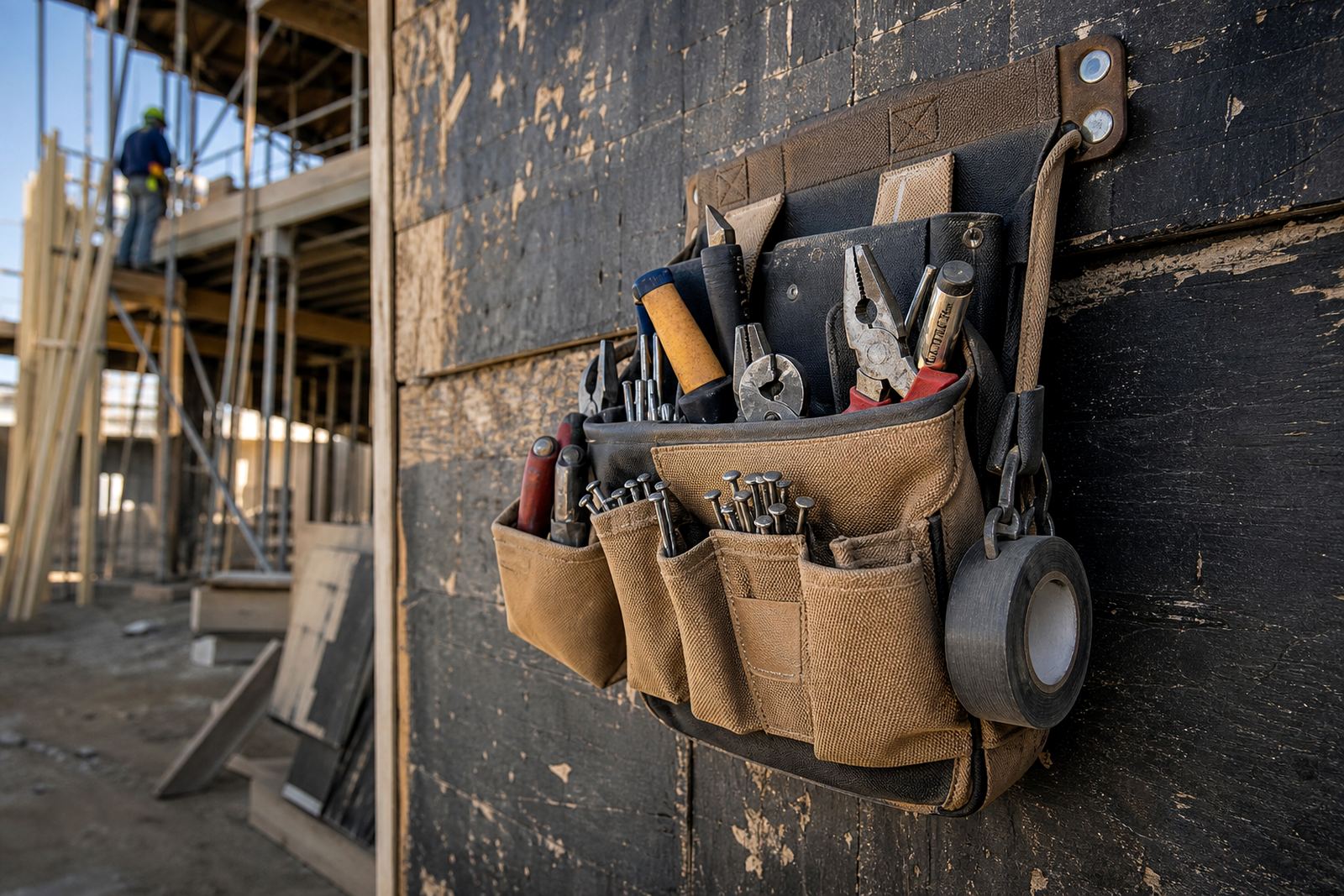
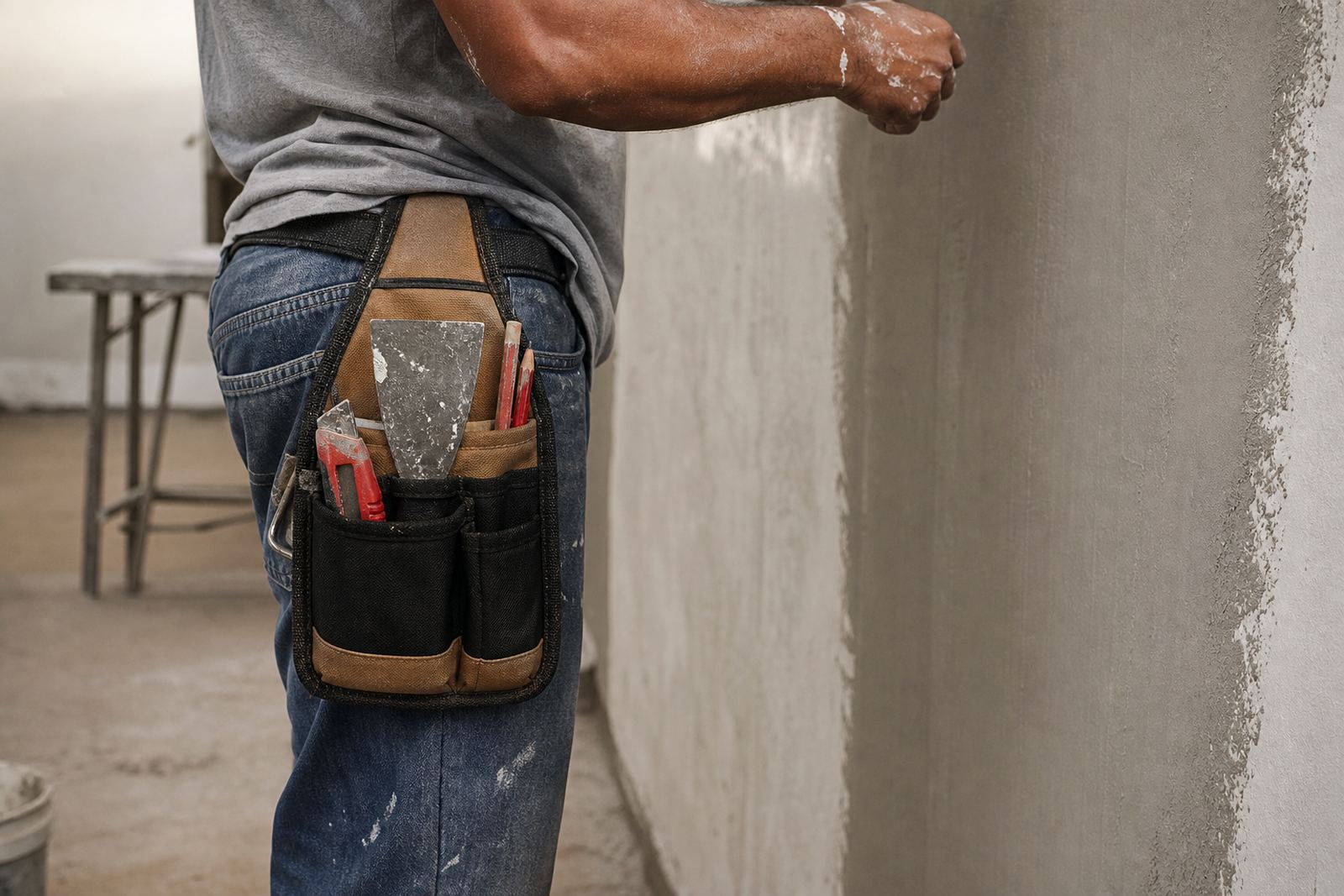
This plastering tool pouch is made for the day-to-day pace of South African building sites, from housing projects in Alberton to renovation work in Johannesburg, Pretoria, Durban, Cape Town and Polokwane. It gives you one organised place for the small items that go missing quickly, like filling knives, utility blades, marking tools, tape measures, scrapers and chalk or site markers. The idea is simple: keep the essentials on your body so they are ready when you need them.
For plasterers, tilers, handymen and general builders, that means less walking back and forth to the work area and fewer delays when finishing corners, patching cracks or cleaning up edges. A good pouch also helps protect sharp tools from getting damaged in the truck or rattling around with other site gear.
- Suitable for plastering, patching and finishing work
- Holds small hand tools and marking items
- Useful on new builds, renovations and maintenance jobs
- Designed for fast access during active site work
Size Choices And Carry Layouts
Plastering pouches are normally chosen by how much you carry and how you like your tools arranged. Some users prefer a compact pouch with a few main slots for the light daily carry, while others want a wider body with extra pockets for blades, spacers and markers. The right fit should sit comfortably on your belt without pulling at the hip or swinging around when you bend, kneel or climb scaffolding.
When ordering, think about the actual tools you use most often. If your work is mainly fine finishing and patching, a smaller pouch may be enough. If you carry a fuller set of small hand tools, look for more compartments and a deeper body. A pouch that is too big becomes awkward on ladders and tight stairwells, while one that is too small slows you down. Get the balance right and it becomes part of your normal workflow, not an extra burden.
- Compact options for light tool carry
- Medium and larger layouts for fuller kits
- Open slots and pockets for fast tool access
- Fits utility belts and work belts commonly used on site
Best Use On Building Sites And Maintenance Work
This pouch suits plasterers working indoors and outdoors, including ceilings, skim coats, crack repairs and detail finishing around windows and door frames. It is also practical for electricians and builders who need a few marking and cutting tools on hand while they move between tasks. On busy sites, having a proper pouch can make a real difference during load shedding periods too, when work slows down and everyone wants to finish the day’s tasks efficiently.
It works well in local conditions where dust, heat and coastal humidity can wear down soft storage. In Durban and other coastal areas, drying the pouch after a wet day helps keep the fabric in better shape. In Gauteng, where fine dust is common on building sites, regular cleaning prevents grit from building up in the seams and tool slots. It is a practical piece of kit for tradesmen who want tools within reach without carrying a full box all day. Some crews also use it as part of a mixed trade setup, so one pouch can handle a few plastering toolsl and marking items between jobs.
- Good for plastering, patching and finishing tasks
- Useful for builders, handymen and site maintenance teams
- Works in dusty inland conditions and humid coastal areas
- Helps keep small tools close during short and fast-moving jobs
Belt Fit, Power Needs And Job Setup
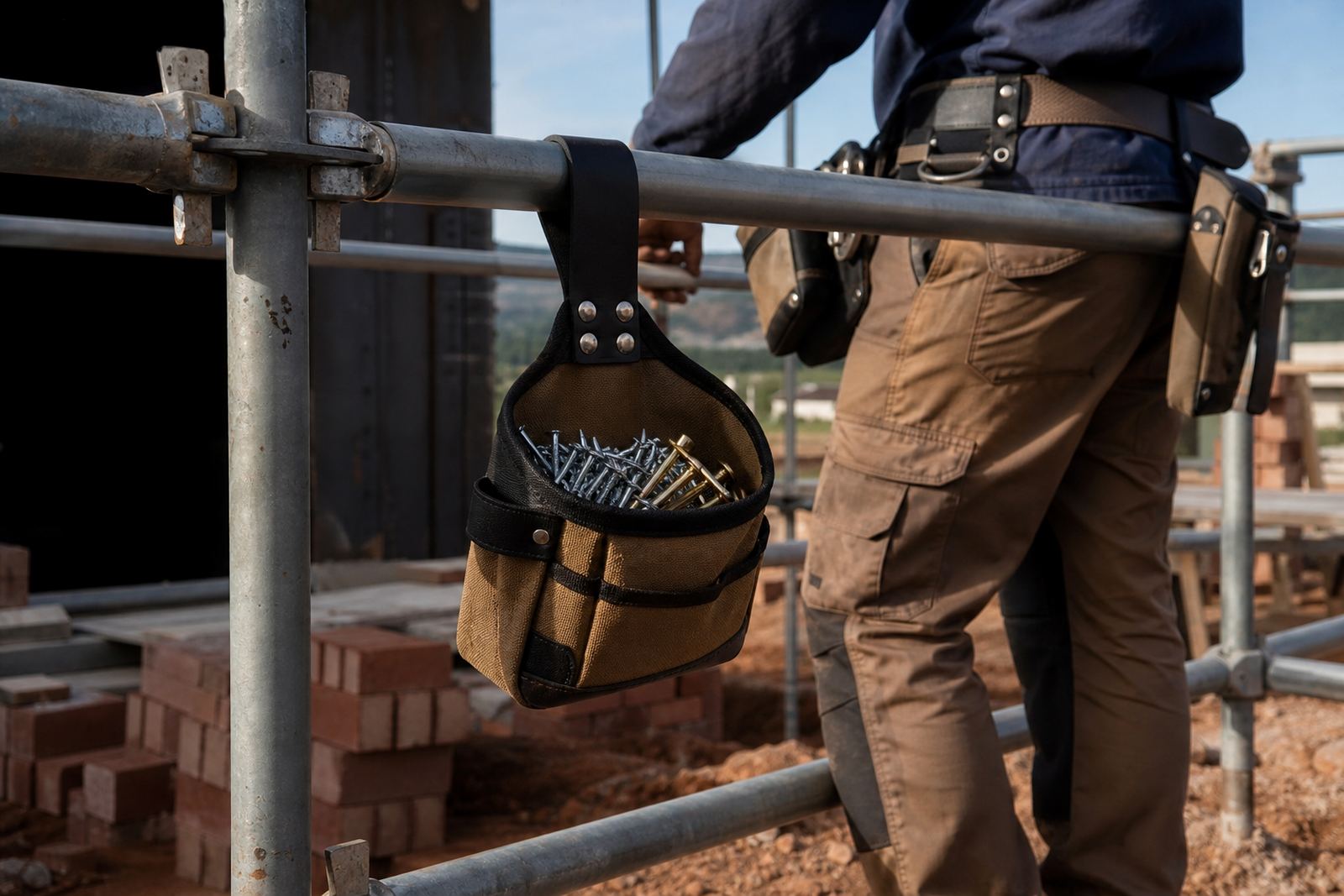
This product does not need installation, electricity or gas. It is a carry item that attaches to your own work belt or utility waist belt, so setup is only about fit and placement. The belt should sit snugly on the hips, with the pouch positioned where you can reach it easily without twisting your back. For long shifts, especially on larger sites in Midrand, Centurion or Pretoria, comfort matters just as much as pocket count.
Before placing an order, check whether your belt width matches the pouch loop or hanger style you use on site. If you already wear a padded waist belt, make sure there is enough room for the pouch to sit properly without crowding other holders. When the layout is right, the pouch supports safer movement because it keeps sharp items out of loose pockets and reduces the chance of misplacing small tools between tasks.
- No power supply required
- No gas or charging needed
- Attaches to an existing work belt or utility belt
- Check belt width and carry position before ordering
Care, Cleaning And Servicing Tips
To keep the pouch in good working order, empty it at the end of the day and brush out dust, plaster residue and loose debris. A quick wipe with a damp cloth is usually enough for most site dirt, although you should let the pouch dry properly before packing it away. If it gets wet, especially in coastal areas, air it out rather than leaving it folded in a closed toolbox or truck cab.
Check the stitching, belt loops and pocket edges regularly. Sharp blades and pointed markers can wear the inside of a pouch over time, so it helps to remove damaged items before they cut through the lining. If a pocket starts losing shape, do not overload it with heavy tools. A little care goes a long way and helps the pouch stay practical for longer. For contractors managing several teams, simple stock checks make it easier to replace worn pouches before they become a problem on site.
- Empty and brush out dust after each shift
- Wipe clean and dry before storage
- Inspect stitching and belt loops often
- Avoid overloading pockets with heavy items
What To Check Before You Place An Order
When ordering a plastering tool pouch, start with the tools you actually carry, not just the tools you think you might need one day. Check the size of your blades, the number of marking tools you use and whether you prefer open pockets or more enclosed slots. If your team buys in bulk, it helps to standardise the layout so everyone carries the same core items and can work faster on shared projects.
You should also think about belt compatibility, handedness and the type of sites you work on. A left-handed plasterer may prefer a different pocket arrangement to a right-handed one. If the pouch will be used on ladder work, keep the profile compact. If it is for ground-level finishing and longer runs, a deeper pouch may suit better. For contractor supply and rollout orders, our team can help with pouch layout planning, belt size matching and starter kit builds through the enquiry form on our contact page.
- Confirm the tools you need to carry every day
- Match pouch size to your belt and work style
- Choose a layout that suits left or right side carry
- Consider bulk orders if you are setting up a team
Key facts
| Product type | Plastering tool pouch |
|---|---|
| Primary use | Carry small plastering tools, blades and site markers |
| Best suited for | Builders, plasterers, electricians and maintenance teams |
| Carry method | Attaches to a utility belt or work belt |
| Power or gas needs | None required |
| Care | Brush clean, wipe dry and inspect stitching regularly |