Configured for the way electricians carry tools on site
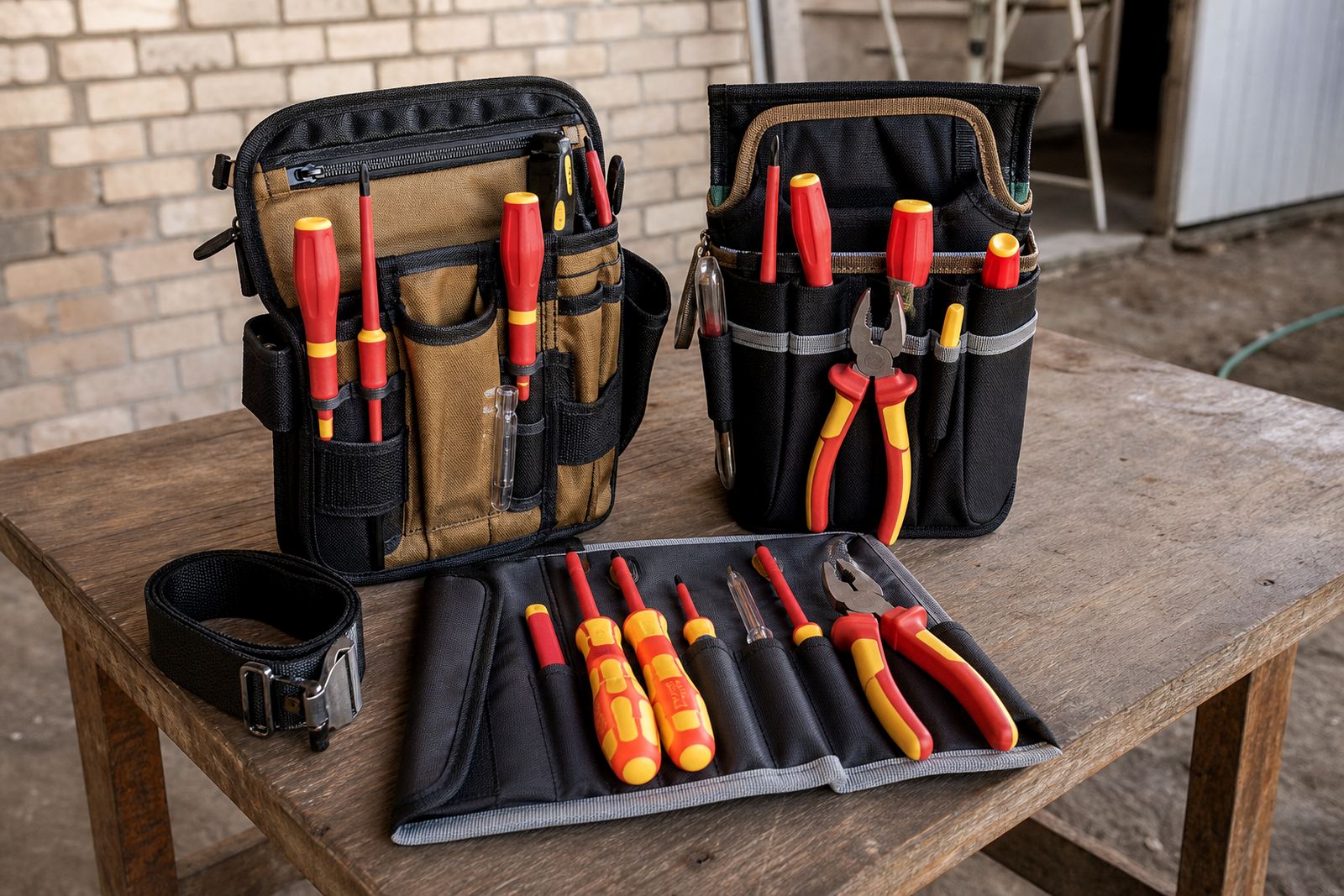
Electrical work needs fast access and a steady carry. A good pouch set has room for insulated pliers, a voltage tester, screwdrivers, tape, terminals, fasteners and a few small consumables without sagging or getting in the way. Our Electrical Kit Configs service is built for that day to day carry, whether your crew is doing housing work in Alberton, maintenance in Midrand or rollout jobs in Durban where humidity can work its way into metal fittings if gear is left loose.
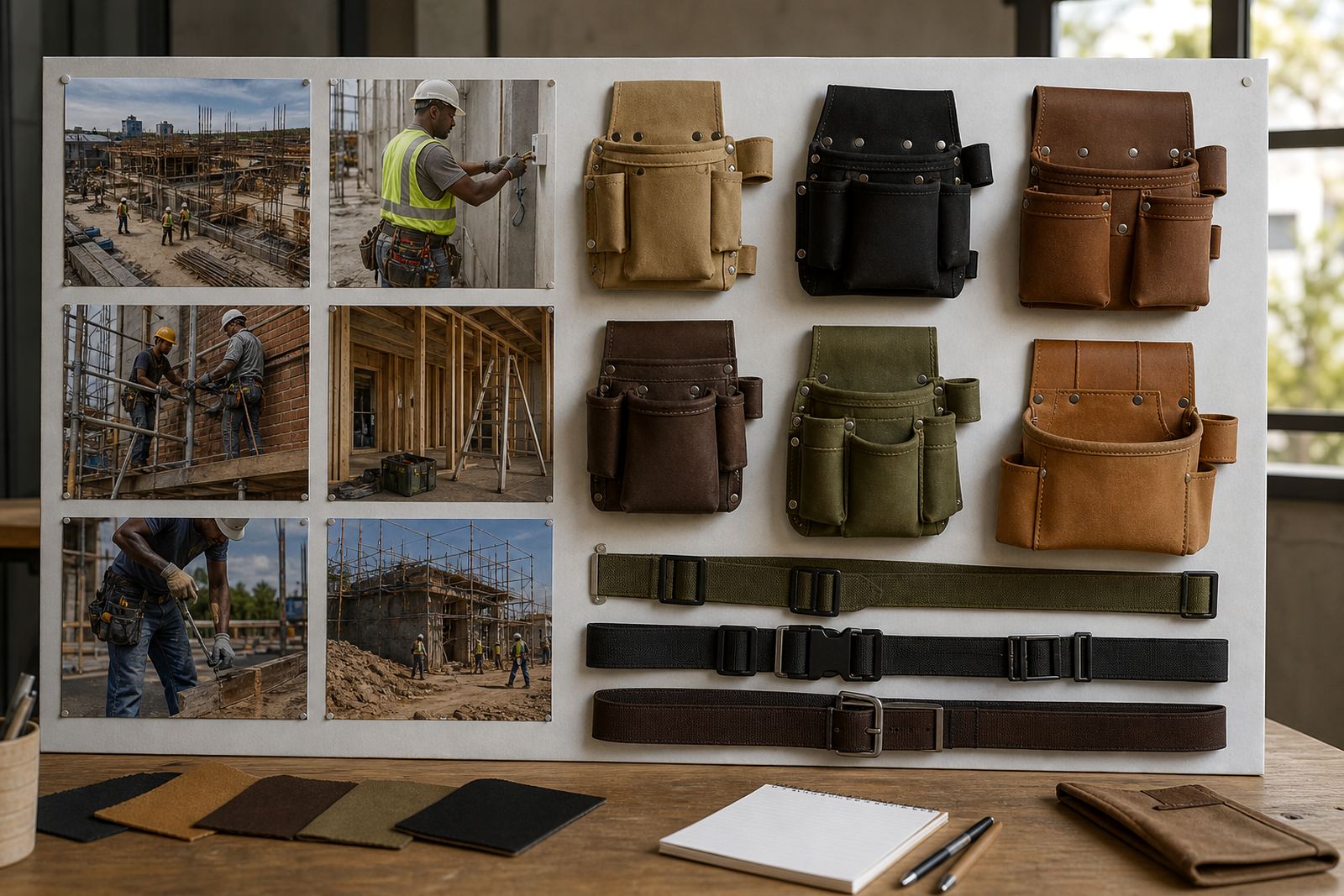
We set up each kit around the actual tool mix you use. That includes pouch depth, divider layout, belt width, clip positions and the balance between open access and secure storage. For electricians who climb ladders, move through tight ceiling spaces or spend long hours on site, the aim is simple: fewer stops, less fumbling and a cleaner workflow. The wrong belt or pouch size can slow a team down, especially when load-shedding means projects are already under time pressure.
Typical kit options cover one main pouch, a secondary utility pouch, a tape loop, pen or marker slots, a hammer loop where needed, and a utility belt that sits comfortably over work trousers or basic PPE. We also help with site specific selection for contractors who need a neater front carry on some jobs and a more open tool layout on others.
What is included in an electrical kit configuration
Every configuration is put together to suit the work type, not just the number of pockets. A starter electrical kit may be compact for service calls, while a larger team kit can support installation crews handling fittings, cable prep and small hardware across a full shift. We also make sure the belt size matches the waist and over-clothing fit so the pouch does not twist when you move.
- Tool pouch selection based on testers, pliers, screwdrivers and small hardware
- Utility waist belt sizing and comfort matching
- Layout planning for left hand or right hand carry
- Divider and pocket selection for fast access items
- Starter kit builds for new staff or apprentices
- Mixed trade kit support where electricians work alongside builders
Common spec ranges include compact pouches for light maintenance work, medium pouches for general installation, and larger belt systems for teams that carry more consumables. Where needed, we can set up separate layouts for residential, commercial and project rollout work. That helps reduce clutter and makes stock checks easier at the end of the day.
How the configuration process works
We keep the process practical and direct. First, we look at what your team carries now, what keeps getting left out, and what tends to fall through the cracks on site. Then we match the pouch set to the weight and size of those items. If your team works in Johannesburg high rises one week and on municipal jobs in Pretoria the next, the carry needs may differ a bit, so we plan for that up front.
- Step 1: Share your tool list and the type of electrical work you do
- Step 2: We recommend pouch sizes, belt width and pocket layout
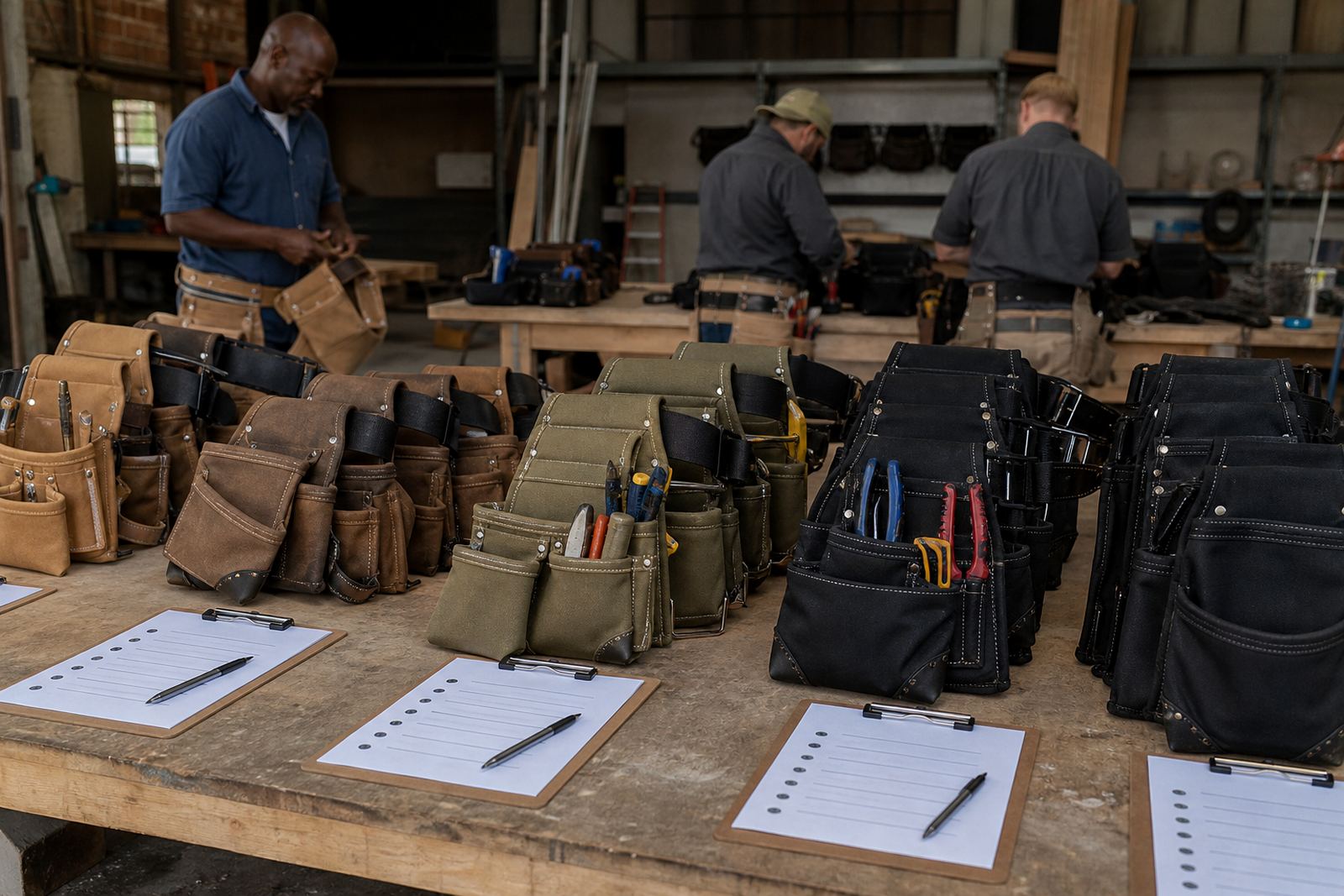
- Step 3: We confirm sizing for each team member or order batch
- Step 4: Final kit selection is prepared for supply and delivery
- Step 5: Reorder notes are kept for future stock replenishment
For larger orders, we can also group kits by role. For example, one layout for lead electricians who need more hardware, and another for support staff who carry fewer tools. That reduces waste and keeps ordering simpler for the next project. If your crews work across more than one site, we can align kits so each team member knows exactly what belongs in the pouch, no guesswork.
Turnaround for stock and special order kits
Turnaround depends on what is already in stock and how specific the configuration is. Standard electrical kit builds can usually move faster than custom sets with mixed pouch sizes or team specific quantities. If you need a rollout for a contractor team, we plan the supply in batches so your work does not wait on one large delivery. That is useful for projects in Gauteng and coastal areas where schedules shift quickly and weather or access can change a day’s plan.
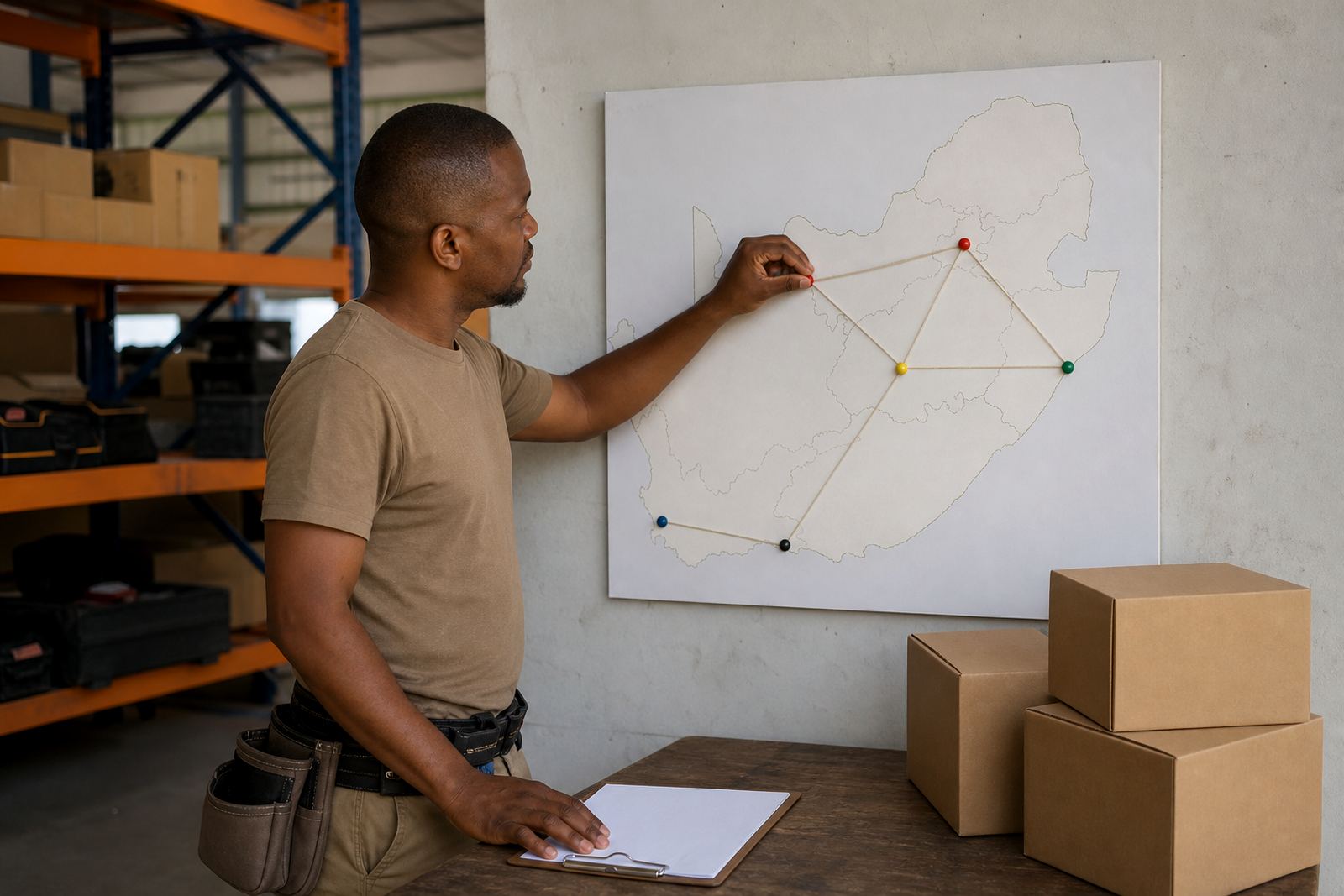
For repeat customers, we keep records of the kit structure so reorders are easier. This helps when you need replacements after a few months of daily use or when new staff join and need matching carry sets. If a project is spread across Alberton, Centurion and Cape Town, we can help with delivery planning so the right kits go to the right site without extra handling.
We also advise on maintenance intervals. A pouch set used every day should be checked regularly for stitching wear, belt holes, clip tension and pocket shape. On heavier jobs, monthly checks are sensible. For lighter maintenance work, a quarterly review may be enough. Coastal humidity can speed up wear on fittings, while dusty inland sites can loosen debris into seams, so a quick clean and inspection goes a long way.
Pricing approach for electrician pouch sets
Pricing depends on the pouch style, belt specification, quantity and whether the order is a standard selection or a custom mix. We keep pricing practical and based on use, not on extras you do not need. A small service-call kit will cost less than a full team rollout with multiple pouch layouts and matching belt sizes. Larger orders are quoted with the volume in mind so contractors can plan their job costs properly.
Where possible, we group similar kit types together to control supply costs. That suits builders, electrical subcontractors and maintenance teams who want predictable replenishment. If you need a mixed order, we will separate the core items from the optional items so you can see exactly what you are paying for. No vague bundle language, just clear itemisation and a sensible ordering path.
- Single kit orders for individual electricians
- Team packs for crews and contractors
- Mixed configuration pricing for different roles
- Reorder pricing for stock replenishment plans
For businesses managing project budgets, this makes it easier to compare a compact electrical setup with a larger utility belt build and choose what suits the job. It also helps when you are scaling up from a small team to a larger rollout and need to keep spend controlled.
Keeping kit working well on long shifts
A pouch set lasts longer when it is used the right way. Do not overload pockets with loose fasteners or sharp edges that cut into seams. Keep testers and hand tools in the slots they were made for, and empty small debris at the end of the shift. If the belt starts sitting unevenly, the size or weight distribution may need adjusting. That is common when a crew changes tasks mid project and starts carrying different items.
We recommend a simple maintenance routine. Wipe down the kit after dusty work, inspect stitching and clips weekly, and recheck the fit after any weight change in the loadout. For teams working in hot inland conditions or damp coastal conditions, this matters even more. Good upkeep reduces breakage and keeps the kit comfortable for longer shifts, which is exactly what most electricians need when the day runs long and the job still has one more panel to finish.
If your team is due for a reset, we can help review the current layout and suggest a better mix. Sometimes a small change in pouch depth or belt width makes the whole setup easier to wear and quicker to use. It sounds minor, but on site those small changes add up fast.
Key facts
| Primary use | Electricians carrying testers, pliers, screwdrivers and small hardware |
|---|---|
| Belt sizing | Matched to waist fit and over-clothing wear |
| Pouch styles | Compact, medium and larger utility layouts |
| Typical carry | Testers, pliers, tape, terminals, fasteners and markers |
| Maintenance check | Monthly for heavy use, quarterly for lighter use |
| Supply area | Alberton, Johannesburg, Pretoria, Durban, Cape Town, Polokwane, Midrand and Centurion |