Matched To The Work Being Done
Site Specific Selection starts with the way your team works on site. A roofer needs fast access to fixings and a secure pouch that sits close at the waist, while an electrician often needs a lighter layout with smaller compartments for test gear, cutters and fasteners. Housing work, tenant maintenance and fit-outs each place different demands on movement, ladder use and how often the pouch is opened during the day.
We look at the actual conditions first. That includes whether the site is dusty, coastal, windy, inside a finished unit, or exposed to long shifts in the sun. In Alberton and across Gauteng, many teams work on mixed sites where one day is a roof truss install and the next is a service call in a live building, so the kit must adapt without slowing the job.
- Roofing support for nails, clips, screws and a tape measure
- Fit-out layouts for fittings, small parts and hand tools
- Housing work for general repair items and fast turnover access
- Maintenance kits for call-outs, inspections and minor fixes
What We Check Before Recommending A Setup
We do not guess the right layout. We ask what tools are carried every day, what gets used first on site and what must be kept separate for safety or order. A good selection should reduce overloading and stop the belt from pulling to one side. If the pouch sags, the worker feels it by mid morning and productivity drops.
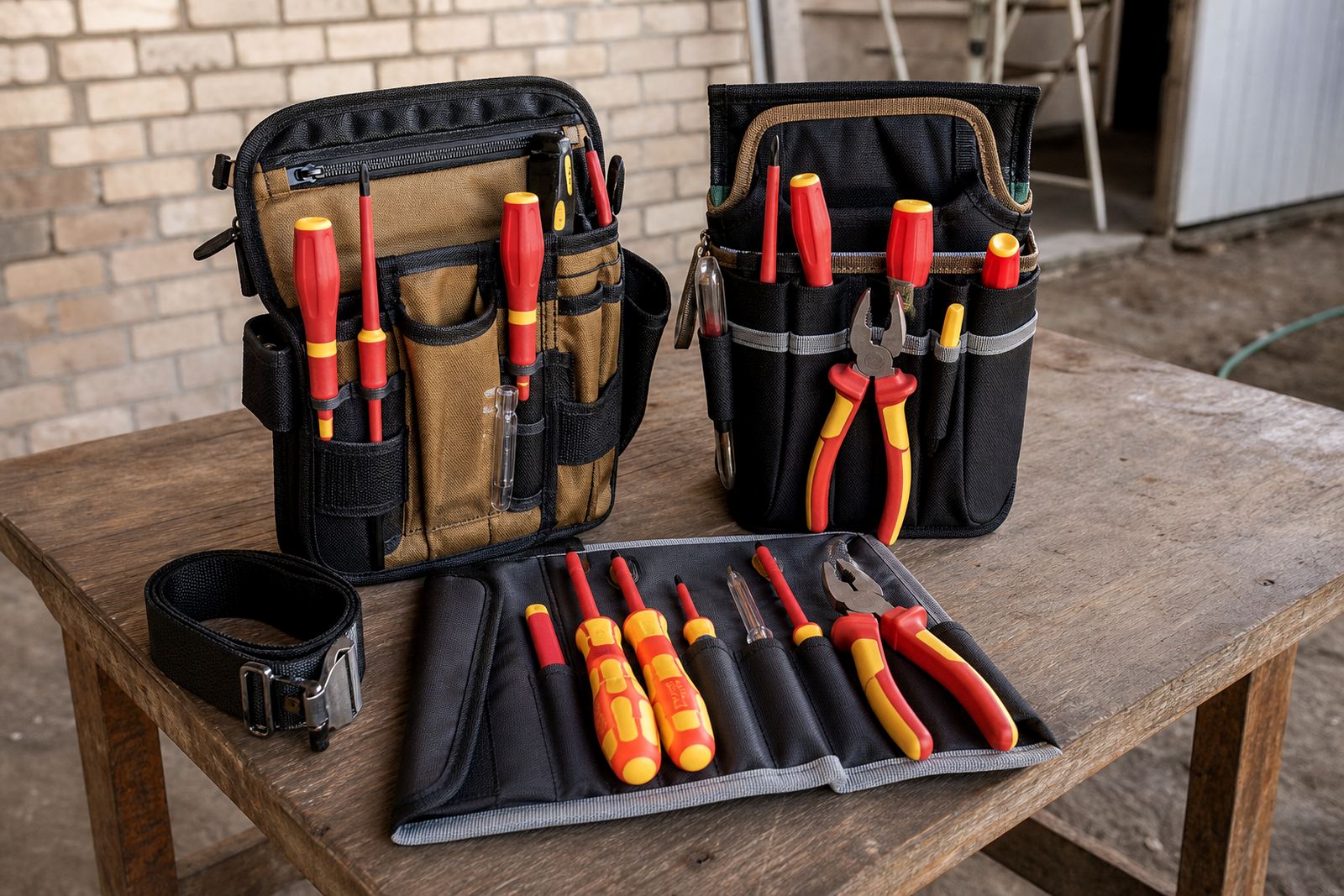
For electricians, we usually check clearance around insulated handles, pocket depth for screwdrivers, and how the pouch sits when kneeling or climbing. For builders, we look at nail bag volume, hammer loop position and whether the belt needs a stronger body for heavier loads. Coastal humidity in Durban and Cape Town also matters, because metal fittings and stitching need to cope with moisture and salt in the air.
- Job type and daily task sequence
- Tool weight, size and carry frequency
- Need for left handed or right handed access
- Site conditions such as dust, humidity and ladder work
Selection Process From Enquiry To Fit Check
The process is straightforward. Once the enquiry comes in through the contact page, our team checks the job type, crew size and the kind of work being done. From there we narrow the options to a few pouch and belt combinations that suit the site. If needed, we also compare starter kits against mixed trade kits where teams have different roles on the same project.
After the first recommendation, we confirm sizing and belt adjustment requirements. This matters on projects where the same kit may be used by several workers across a week. Belt size matching avoids returns and makes the gear more comfortable from the start, especially for teams working long shifts with limited break time during load-shedding delays or late site handovers.
- Step 1: Send job details and crew requirements
- Step 2: We review conditions and tool list
- Step 3: We recommend a suitable layout and size range
- Step 4: Order is confirmed and delivery planning is arranged
Specs We Use When Choosing The Right Gear
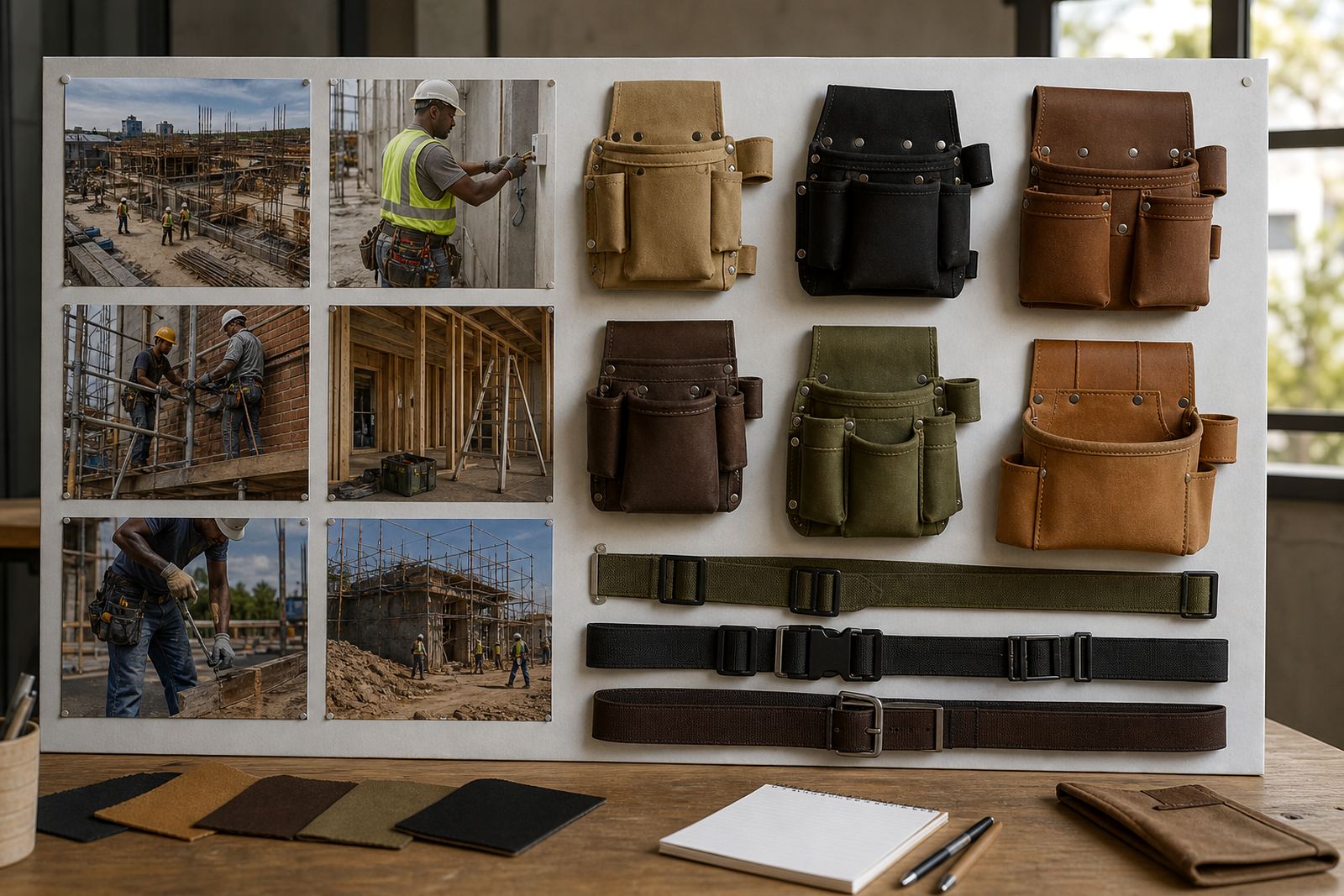
Site Specific Selection is based on practical specs, not just a general product label. We consider pouch depth, belt width, stitching strength, compartment count and how the weight is spread across the hips. A pouch with too many narrow pockets can slow down a builder, while a pouch with too little separation can make small fasteners disappear into the bottom.
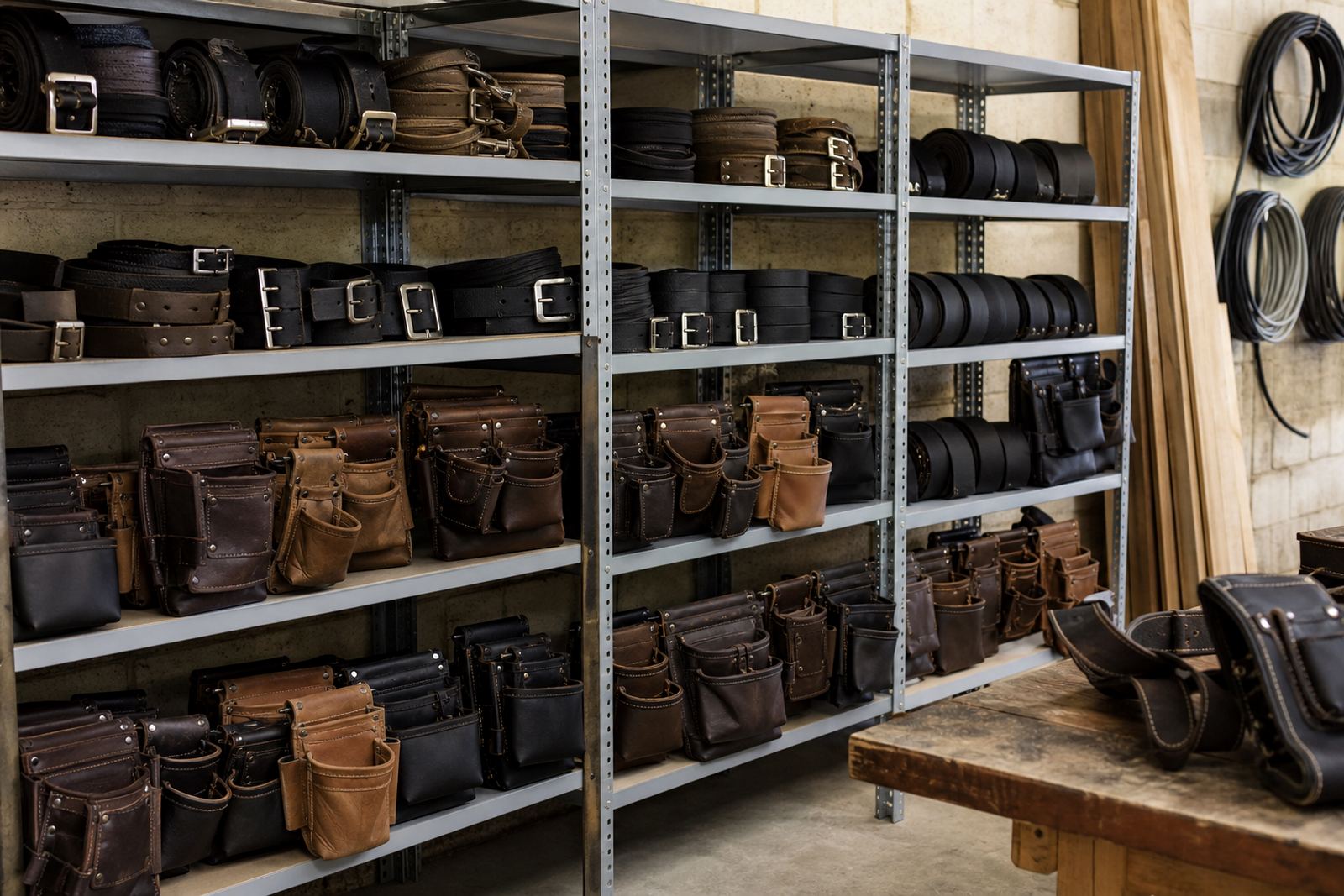
Typical recommendations include utility waist belts with adjustable closure, reinforced tool pouches for daily use, nail bags with open-top access and layouts that hold both hand tools and consumables. For electrical work, smaller internal sections are often better. For building work, wider openings and firmer side panels help keep shape when carrying heavier loads. If a crew works on mixed trades, we can split the setup so each person gets the right fit for the task.
- Belt widths commonly suited to 50 mm to 75 mm carry systems
- Pouch options with 2 to 8 compartments depending on trade
- Adjustable sizing for individual workers and team issue
- Weight balance to reduce hip strain during long shifts
Turnaround And Supply Planning
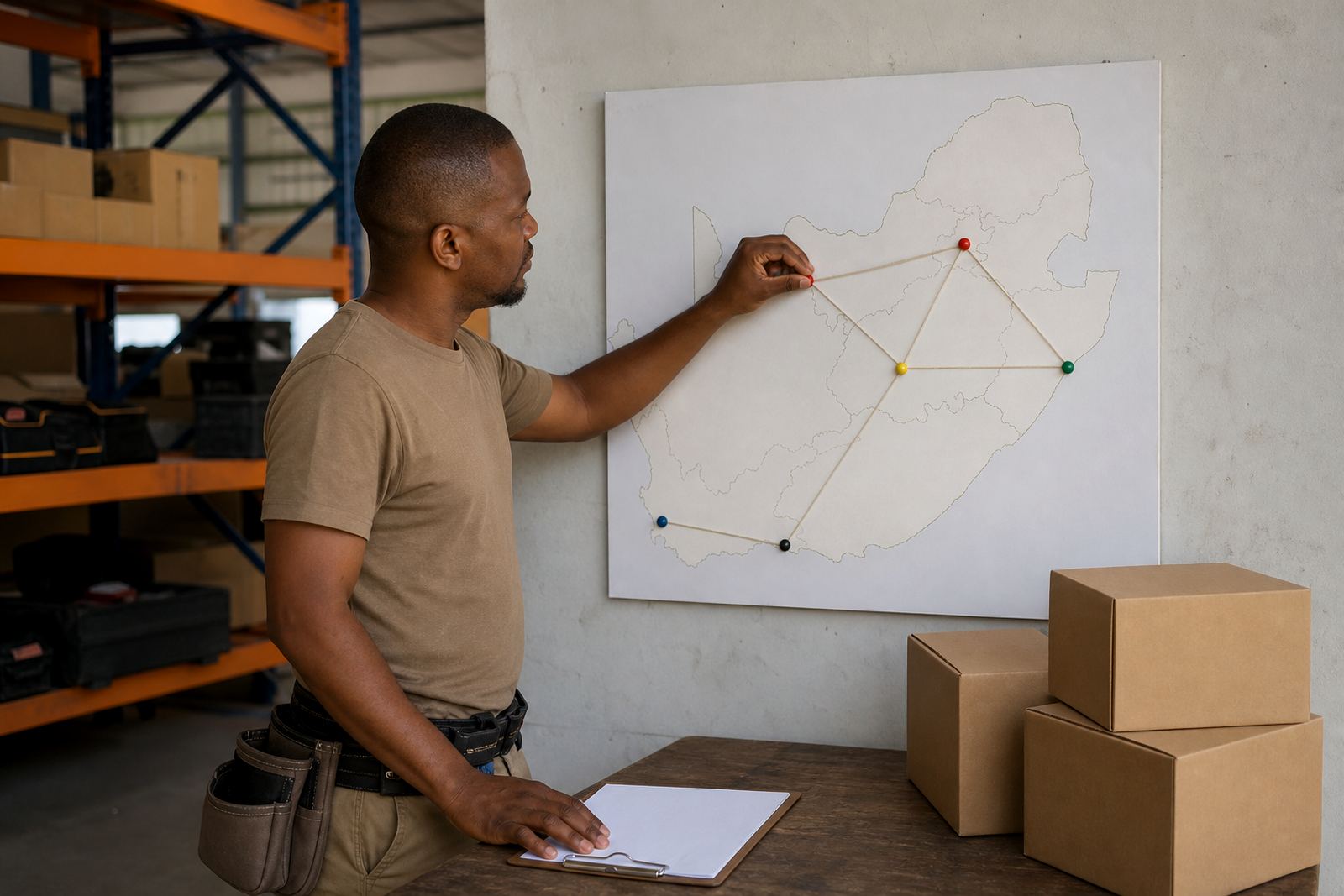
Turnaround depends on the order size and whether you need standard selection or a more detailed site roll-out. Smaller orders for one crew can usually be handled quickly once the job details are confirmed. Larger contractor orders, especially where multiple sites are involved in Johannesburg, Pretoria, Midrand, Centurion or further afield in Polokwane, benefit from a little planning so stock, sizes and delivery timing line up properly.
For project rollout supply, we look ahead to the site start date and build the selection in phases if needed. That helps avoid shortages when a team grows or when the work scope changes after the first week. If your site is remote or has limited access hours, we factor that into delivery planning and make sure the order arrives in one clean handover, not piecemeal.
- Simple selections for single crews
- Phased supply for larger rollouts
- Stock replenishment support for ongoing jobs
- Delivery planning for local and out of town sites
Pricing Approach And Maintenance Intervals
Pricing is based on the type of selection required, the number of workers and whether the order is standard or mixed. A straightforward layout for one trade is usually priced differently from a tailored mix for a site with several tasks. We keep it practical, so you pay for the right fit rather than adding extras that do not help on the job.
Maintenance intervals depend on wear. On busy sites, belts and pouches should be checked every few weeks for stitching wear, loose rivets, torn corners and tired closure points. In dusty or coastal conditions, a quicker check is sensible. As a rule, crews doing daily work should inspect their kit monthly and replace items before they fail in the middle of a shift. A small service check now can stop a bigger problem later, and it keeps tools secure on the body instead of on the floor.
- Pricing scales with order size and complexity
- Maintenance checks every 3 to 6 weeks for active crews
- Monthly inspection for stitching, fasteners and belt wear
- Replacement planning for high use teams and site rollouts
Key facts
| Service | Site Specific Selection for builders and electricians |
|---|---|
| Base | Alberton, Gauteng |
| Coverage | Johannesburg, Pretoria, Durban, Cape Town and Polokwane |
| Typical use | Roofing, fit-outs, housing work and maintenance |
| Selection factors | Tool load, site conditions, access, comfort and size fit |
| Support | Bulk team orders, starter kits, mixed trade kits and delivery planning |