
Delivery schedules built around site start times
Delivery planning starts with the job itself. A small crew in Johannesburg City Centre does not need the same dispatch pattern as a phased rollout to Durban or a multi-site contractor moving stock between Pretoria and Midrand. We map the order against your start date, site access times, receiving hours and any local delivery limits before confirming the schedule.
For builders and electricians, timing matters as much as the pouch or belt spec. If a team is waiting on site and the weather has already slowed work, late gear can hold up the whole day. We plan around that pressure by matching dispatch windows to your labour plan, whether it is a single replenishment crate or repeated drops over several weeks.
- Timed dispatch for first-day site readiness
- Split deliveries for phased projects
- Receiving-hour checks for business parks, depots and construction sites
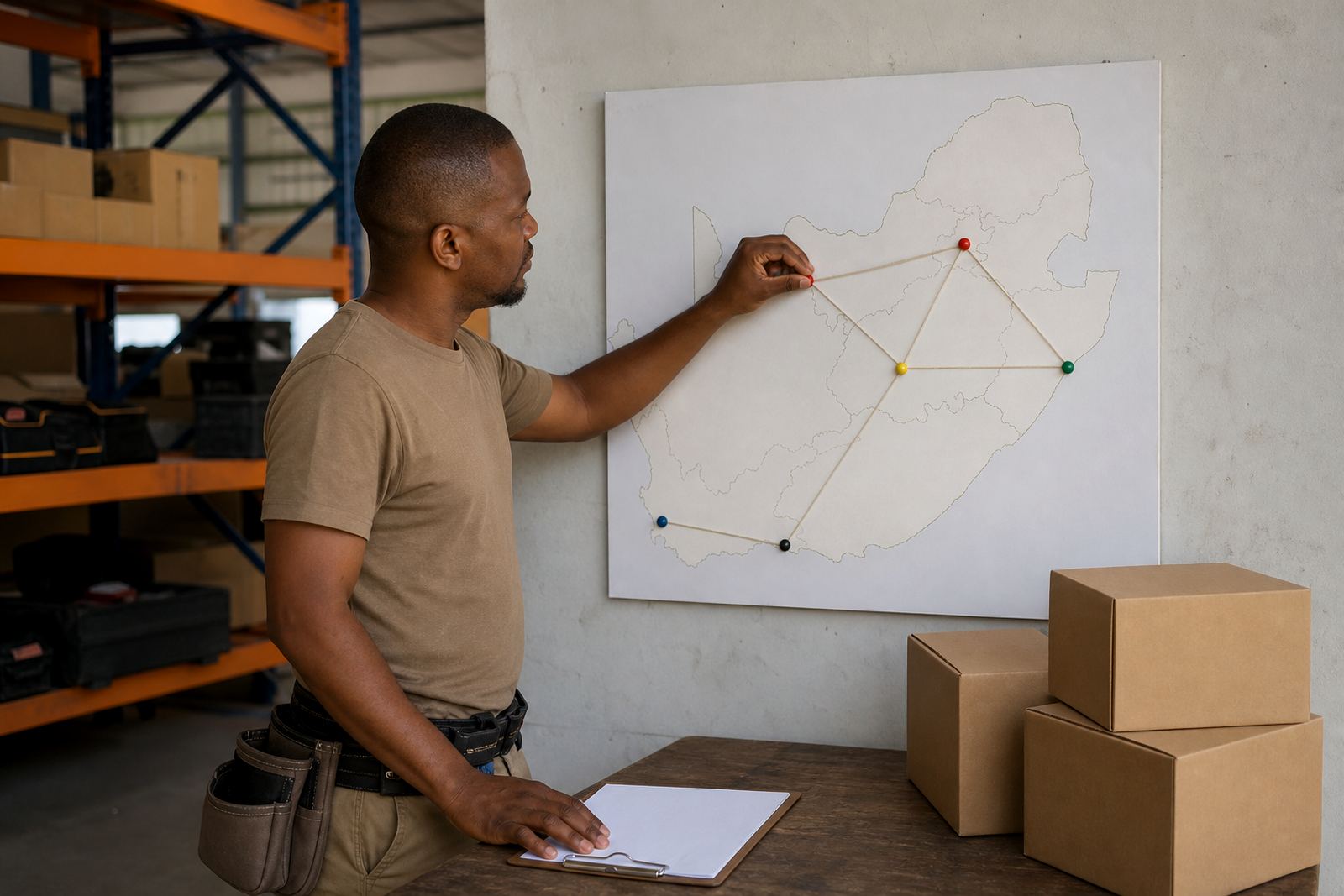
- Route planning for Gauteng, coastal and inland destinations
What is included in delivery planning
The service covers more than booking a courier. We prepare the order so it can move cleanly from our Alberton base to the destination without rework. That includes item matching, packing notes, size confirmation and delivery sequence planning for mixed trade orders. If your team needs different belt sizes, pouch layouts or starter kit builds, we group them by crew or by site so the right person receives the right kit.
We also factor in weather and handling. Coastal humidity in Durban and Cape Town can affect how gear is packed for longer transit, while Gauteng projects may need faster turnaround because sites change gates, access rules or municipal delivery times with little warning. The aim is to reduce delays and avoid the sort of backtracking that costs hours on a busy contract.
- Order grouping by trade, crew or project phase
- Packing instructions for mixed kit orders
- Size and quantity checks before dispatch
- Delivery notes for site security, gate codes and receiving contacts
How the process works from enquiry to drop-off
You send an enquiry through the contact page with your delivery area, project dates and order mix. Our team reviews the stock requirement, checks any custom order items and confirms what can move together in one delivery cycle. If you are ordering for a rollout, we can map the full sequence upfront so your stock replenishment is not left to guesswork.
From there we confirm the most practical dispatch plan. Smaller orders may leave in one movement, while larger contractor orders can be staged to suit project milestones. We keep the process straightforward so there is less admin for your site team and fewer chances of items landing too early or too late.
- Step 1: submit enquiry with area, quantity and deadline
- Step 2: stock check and kit grouping
- Step 3: delivery route and timeline confirmation
- Step 4: dispatch, tracking and receiving follow-up
Turnaround times for major delivery routes
Turnaround depends on stock type, quantity and destination. Standard stock items can often be scheduled quickly, while bulk team orders or mixed trade kits need extra coordination. For Gauteng deliveries into Johannesburg, Pretoria, Midrand and Centurion, planning is usually tighter because local sites expect fast movement and short receiving windows. For Durban, Cape Town and Polokwane, we allow for longer transit and more careful packing.
Where a project has fixed milestones, we can set a repeat delivery rhythm instead of a once-off drop. That helps when you are issuing belts and pouches to new hires in stages or replenishing lost and worn items across several crews. If the order changes midway, we adjust the plan rather than forcing a one-size-fits-all dispatch. It saves time and keeps the site moving.
- Fast scheduling for Gauteng metro deliveries
- Longer lead planning for coastal and outlying routes
- Repeat drops for phased site rollouts
- Priority handling for urgent contractor replenishment
Pricing approach for planned delivery work
Delivery planning is priced according to the size of the order, the number of delivery points and the amount of coordination needed. A straight replenishment run into one address is simpler than a mixed trade order that has to be separated for different crews, branches or project stages. We keep pricing practical and explain the cost drivers up front so there are no surprises at invoice stage.
For bulk team orders and contractor rollouts, the price may include added packing, segregation and route scheduling time. If an order needs special handling for coastal storage, overnight staging or staggered release, that is taken into account as well. The goal is fair pricing that reflects the real work behind getting the order to site on time.
- Single-drop and multi-drop pricing options
- Cost based on order volume and delivery complexity
- Separate planning for bulk, custom and mixed kits
- Clear cost breakdown before dispatch
Keeping belts and pouches ready for the next issue
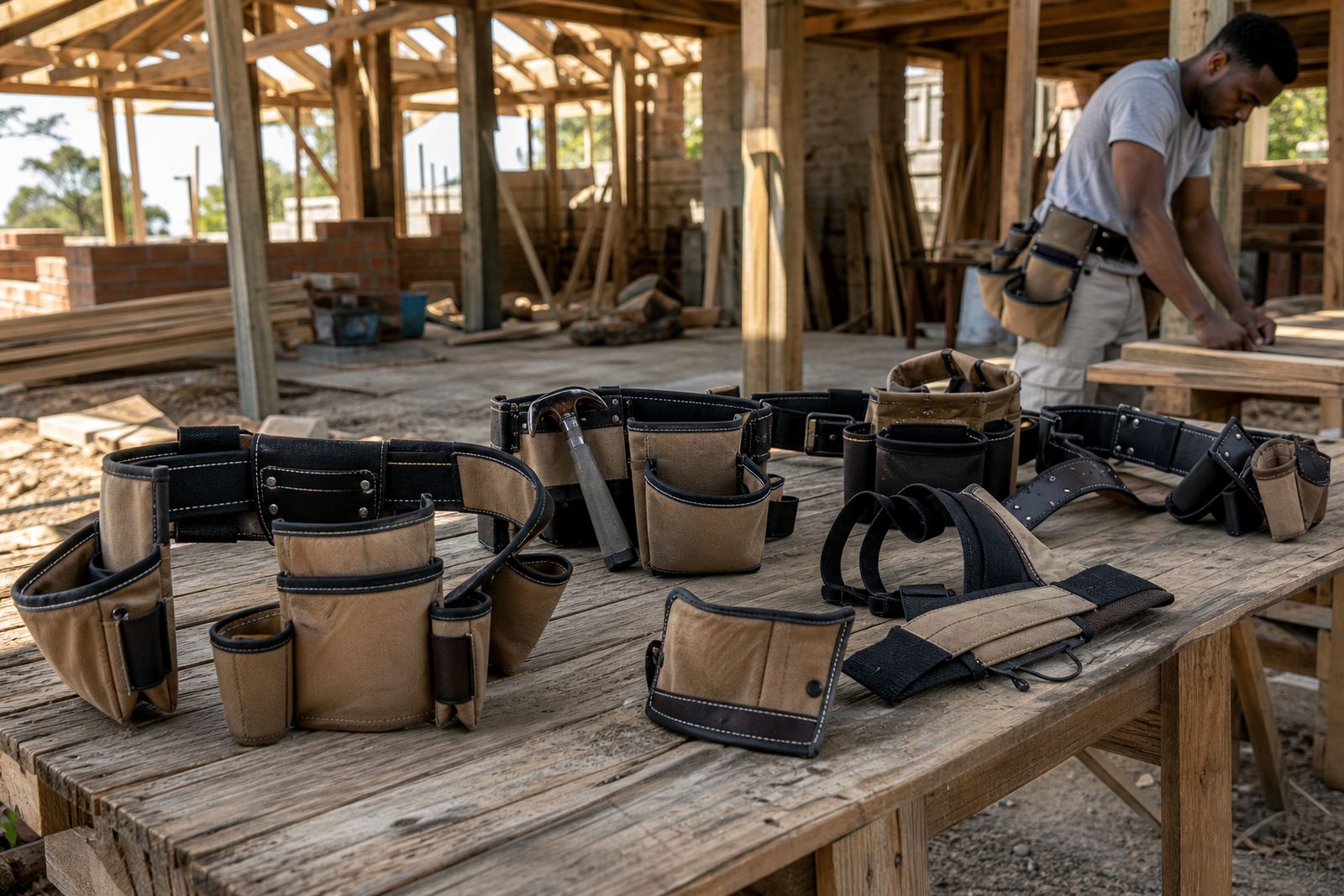
Good delivery planning does not stop at the first drop. Tool pouches, nail bags and utility waist belts work best when stock is issued on a regular cycle and replaced before wear becomes a problem. We can help set maintenance intervals for contractor stock so the next delivery arrives before the old kit gives trouble.
For active sites, we often suggest checking belts and pouches every 8 to 12 weeks, or sooner in heavy-use teams, dusty inland conditions and coastal air where fittings and stitching can wear faster. If a project has long hours, load-shedding interruptions or repeated transport between sites, we can build a replenishment plan around those conditions. That way your crews stay organised and you are not scrambling for replacement stock at the last minute.
- Scheduled stock checks every 8 to 12 weeks
- Earlier review for high-wear or coastal sites
- Reorder planning for lost, damaged or retired kit
- Stock support for long projects and phased handovers
Key facts
| Base | Alberton, Gauteng |
|---|---|
| Delivery areas | Johannesburg, Pretoria, Durban, Cape Town, Polokwane and surrounding project sites |
| Typical pack types | Tool pouches, nail bags, utility waist belts and mixed trade kits |
| Order formats | Single drop, multi-drop, phased rollout and contractor replenishment |
| Planning inputs | Site address, receiving times, crew count, sizes and deadline |
| Review interval | Recommended every 8 to 12 weeks for active site replenishment |