
What Pouch Layout Planning Covers
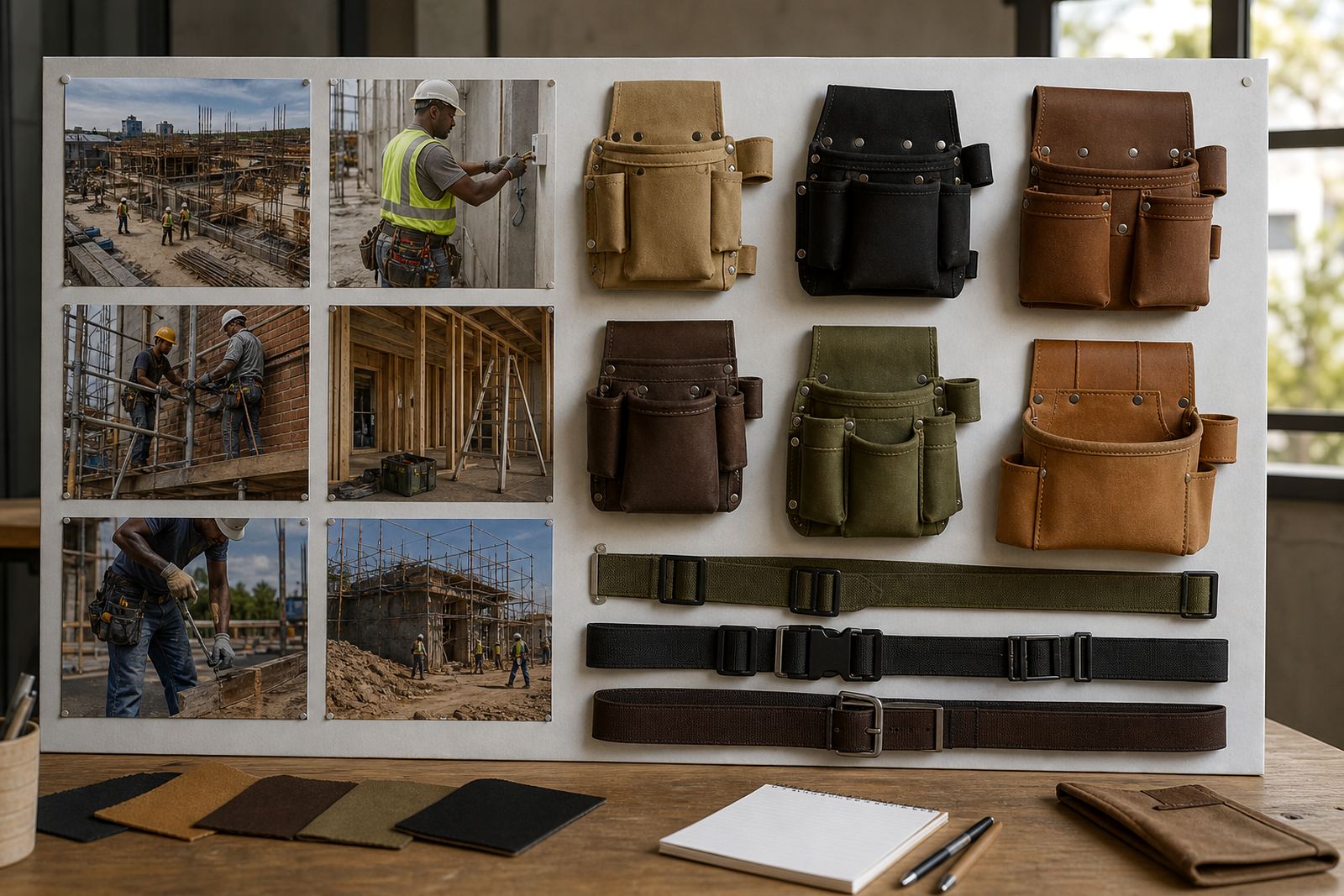
Our pouch layout planning service is for tradespeople who need tools close at hand without overloading one side of the belt. We look at the type of work, the tools carried every day and the way the user moves on site. A builder doing formwork, fixing, cutting and fastener work needs a different setup from an electrician carrying test gear, fixings and hand tools.
The aim is simple: less time reaching for tools, better balance on the hips and fewer interruptions during the job. We help you choose pouch combinations that suit ladder work, overhead work, rooftop access and long shifts in summer heat. For crews working in Gauteng, Durban humidity or coastal conditions in Cape Town, the right layout also helps reduce wear from sweat and dust.
- Role-based pouch selection for builders, electricians and mixed teams
- Balance checks for left-right carry and hip comfort
- Pouch depth guidance for fasteners, pliers, cutters, drivers and small consumables
- Belt width and buckle matching for regular site use
How We Build the Right Layout
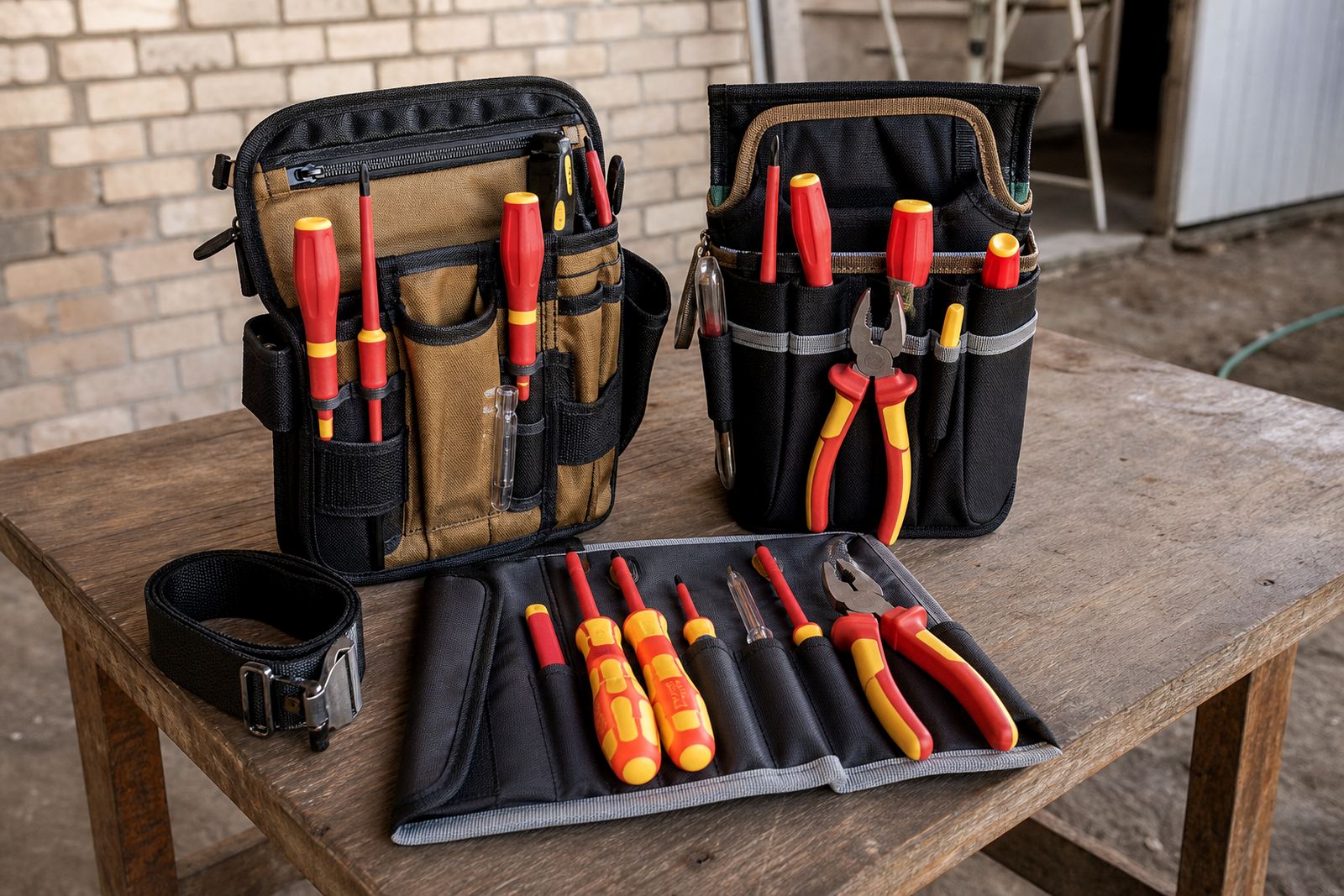
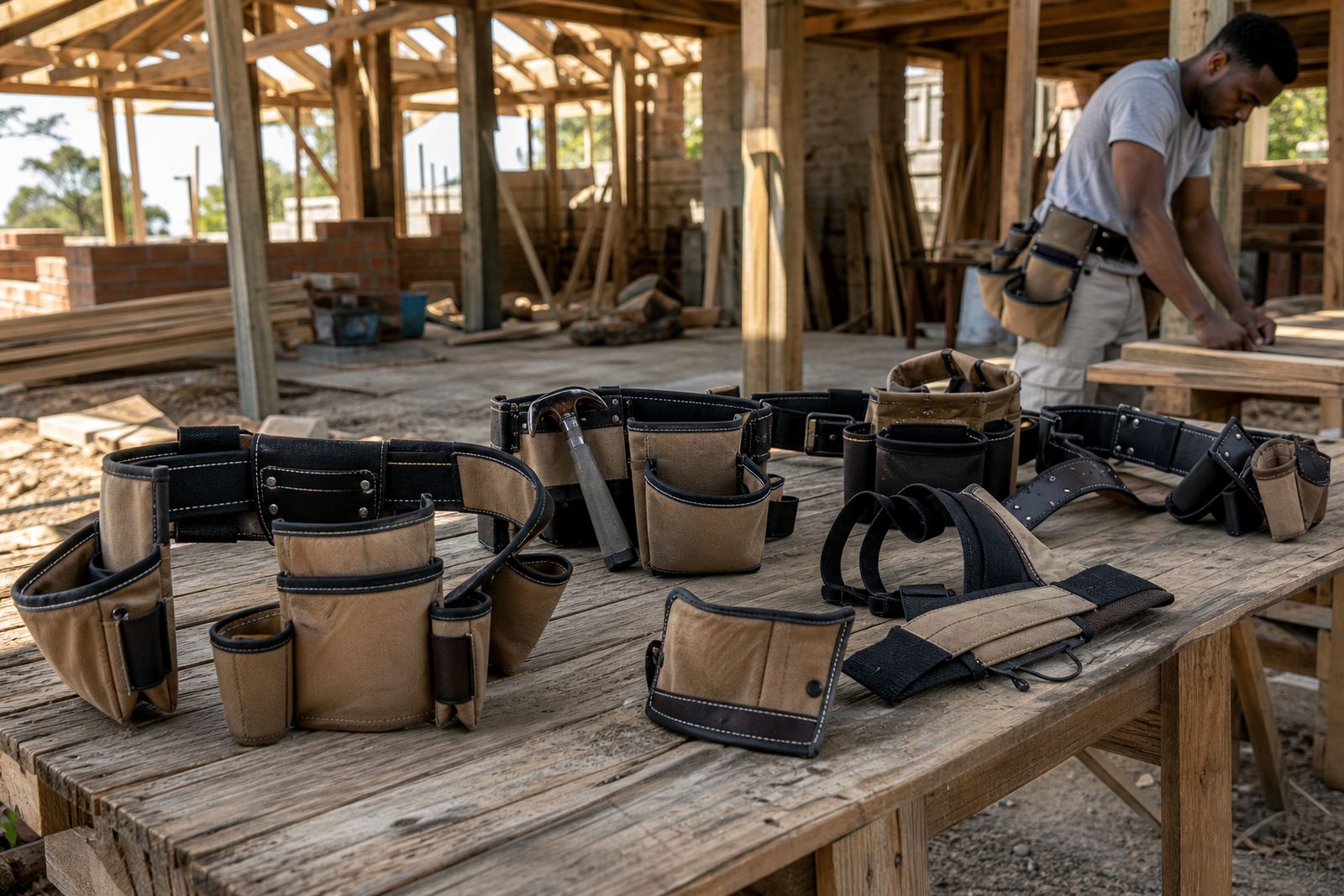
We start with a clear picture of the task list. A typical builder may need a nail bag, a tape pocket, a hammer loop and a few smaller slots for pencils and fixings. An electrician may need slimmer pockets, insulated tool separation and enough space for connectors, markers and a torch. If the pouch setup is too deep, items move around. If it is too shallow, tools sit loose and become hard to reach.
We also factor in body size and belt position. Many teams prefer a firmer fit at waist level for all day wear, while others need a slightly lower carry for bending and climbing. If your crew is using gloves, we will account for pocket mouth width so access stays practical. The result is a layout that supports the job instead of fighting it.
- Task mapping for daily tool carry
- Pocket depth and opening width selection
- Side preference setup for dominant hand use
- Comfort checks for standing, kneeling and ladder work
Typical Pouch Setups for Common Trade Work
Different jobs call for different pouch combinations. A small residential repair team does not need the same carry as a contractor working on a multi unit build in Pretoria or a fit-out crew in Johannesburg. We can help plan starter combinations or full team layouts, including mixed orders where some staff need larger nail bags and others need lighter utility pouches.
For electricians, the layout often needs narrow pockets for test equipment, drivers and fixings with enough room to keep sharper tools secure. For builders, the focus may be on fasteners, markers, chalk, a tape measure and hand tools used throughout the day. We can also help with site specific selection where different areas of the same project need different loadouts.
- Builders kit configs with fastener and hand tool access
- Electrician kit configs with slimmer pocket sections
- Mixed trade kits for foreman and crew support
- Starter kit builds for new employees or subcontractors
Planning Process and Turnaround Times
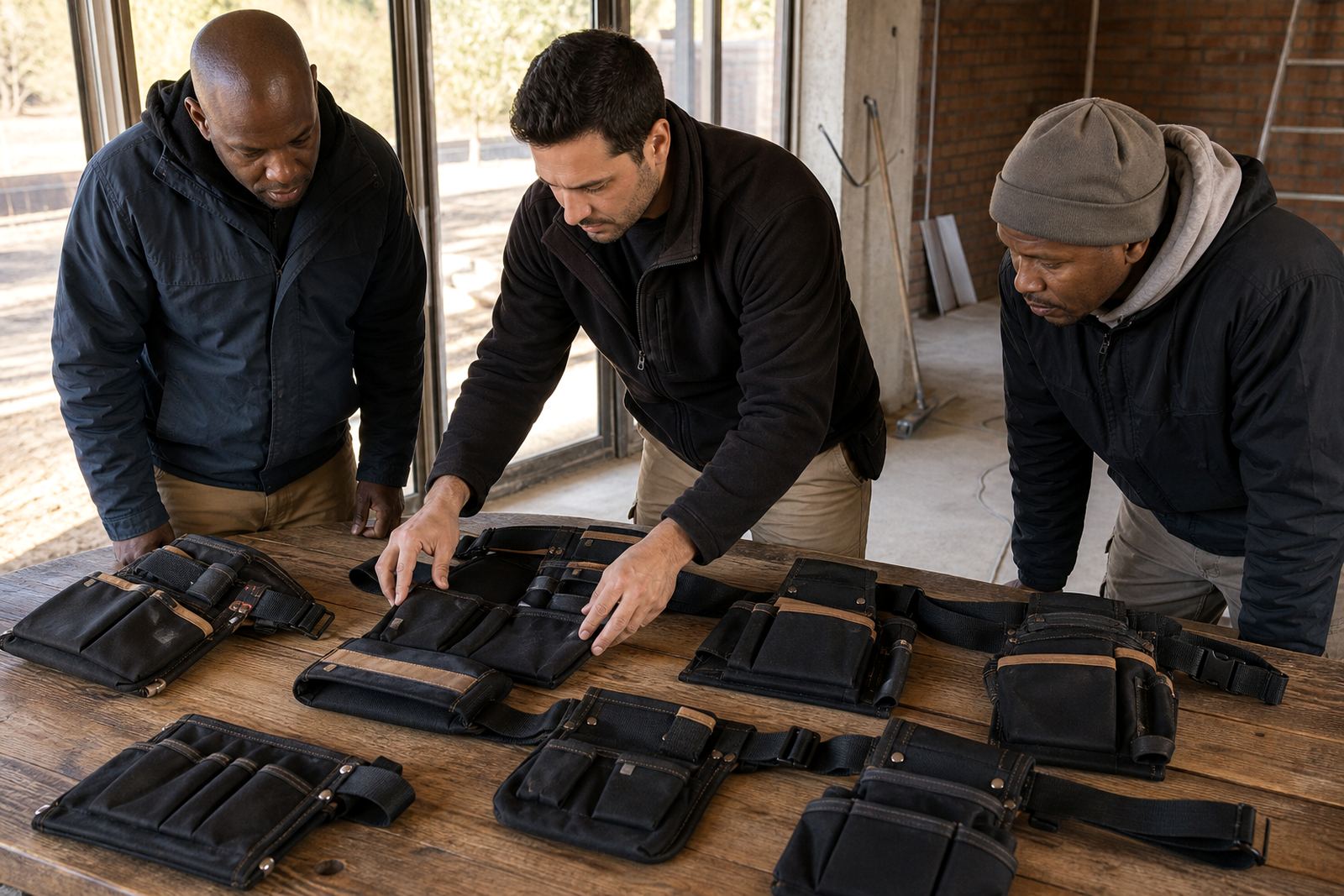
Most planning requests are handled through the enquiry form on our contact page. Once we receive the brief, we review the trade type, number of users, preferred work style and any special requirements such as belt size matching or stock replenishment planning. If a team needs several options, we can compare layouts side by side and recommend the best fit for the job.
Simple pouch layout guidance can usually be turned around in 1 to 2 working days. Larger contractor orders, mixed trade rollouts or site wide planning may take 3 to 5 working days depending on quantities and the level of detail needed. If measurements are supplied clearly, things move faster. Where sizes are missing or unclear, we may request a quick follow up before confirming the recommendation.
- Submit your trade role, crew size and preferred tools
- We assess carry needs, size range and site conditions
- Layout options are matched to the daily task list
- Final recommendation is prepared for supply or rollout
Pricing Approach for Layout Planning
Pricing depends on the number of users, the level of comparison required and whether the request is for a single team or a broader project rollout. Straightforward pouch layout advice is kept practical and cost aware. Larger planning work for contractor order support, mixed trade kits or multiple branches such as Midrand, Centurion and Polokwane may be quoted separately based on the scope.
We keep the approach clear. You pay for the planning needed, not unnecessary extras. If you already know the task and only need belt size matching or a quick pouch combination check, that is a smaller job. If you want a full rollout with delivery planning, stock replenishment plans and multiple kit types, we will quote according to the size of the order and the detail involved.
- Single user layout guidance
- Team planning for small and large crews
- Project rollout supply quotes for bigger orders
- Separate pricing for custom kit builds and bulk orders
Care, Maintenance and Replacement Intervals
Even the best pouch setup needs regular checking. Dust, cement, sweat and site grime can wear stitching, stiffen webbing and loosen fasteners. In hot inland areas like Gauteng, check the belt and pouch seams every 4 to 6 weeks. In coastal humidity, check more often if the kit is exposed to moisture or salt air. A quick inspection after heavy use can prevent sudden failure on site.
Replace or rework a layout when the tool load changes, the user shifts role, or the pouches start sagging and rubbing. Many teams review layouts every 3 to 6 months, especially where crews move between building work, electrical installs and maintenance calls. If a belt has stretched or the pocket arrangement no longer suits the job, we can help reset the configuration before the next rollout.
- Check stitching, buckle security and pocket wear monthly
- Review layouts when duties or tools change
- Keep pouches dry after rain or wash-downs
- Replace worn belts before comfort and safety drop
Key facts
| Service area | Alberton, Johannesburg, Pretoria, Durban, Cape Town, Polokwane, Midrand and Centurion |
|---|---|
| Primary users | Builders, electricians, contractors and site supervisors |
| Planning output | Pouch combinations, belt fit guidance and task-based carry layouts |
| Turnaround | 1 to 2 working days for simple requests, 3 to 5 working days for larger rollouts |
| Order types | Single user, team orders, mixed trade kits and project supply |
| Maintenance review | Every 4 to 6 weeks for heavy use, or every 3 to 6 months for general review |