Staged Gear Supply That Matches Your Project Phases
Project Rollout Supply is set up for sites where not every worker needs the full order on the first delivery. Some jobs start with a core team, then add electricians, helpers, foremen and subcontractors as the build moves through foundations, first fix, fit out and handover. We split the supply into clear stages so your crew gets the right pouches and belts at the right time, with less excess stock lying in the site office.
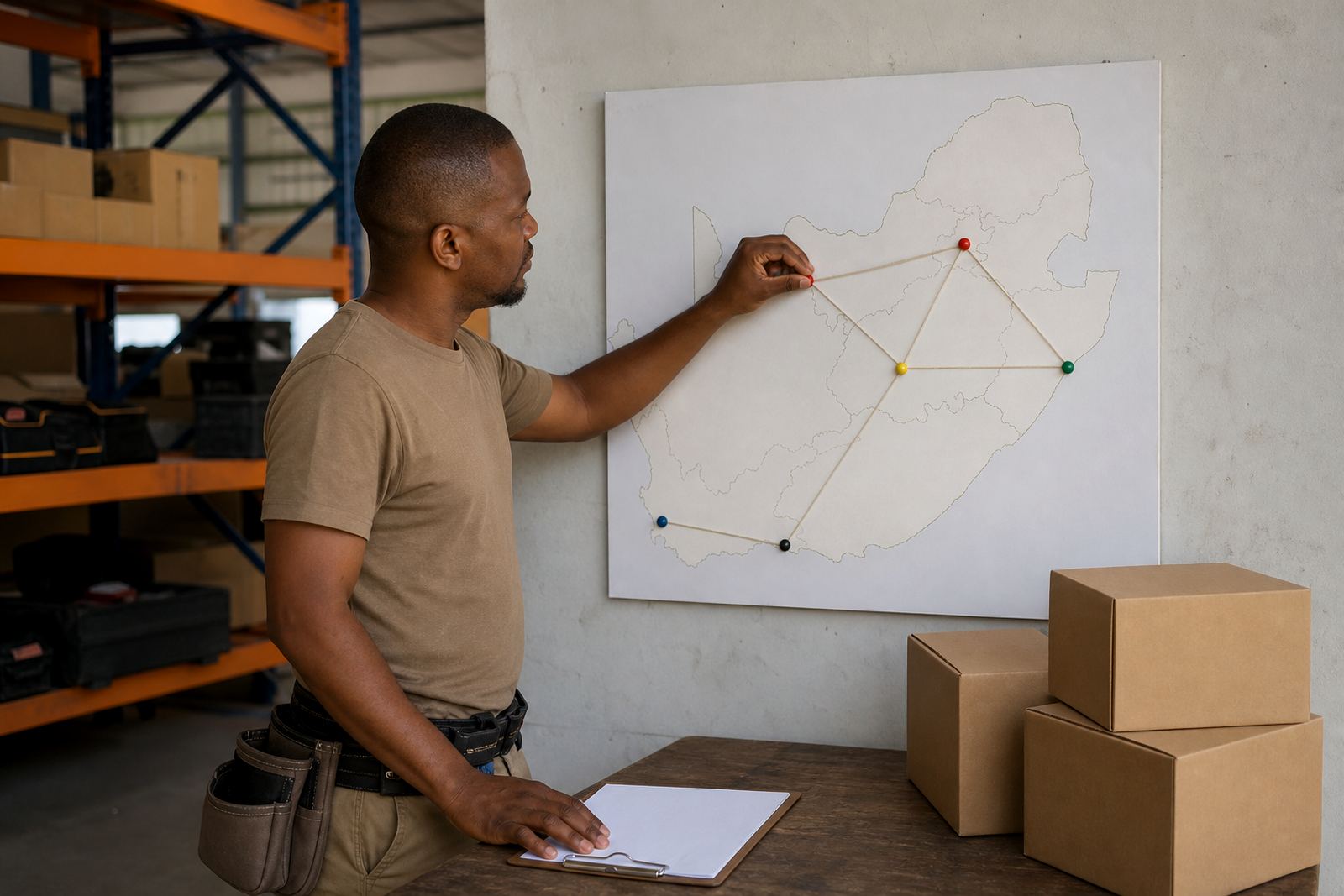
This works well for building contractors, electrical teams, maintenance crews and project managers handling multiple sites in Johannesburg, Pretoria, Durban, Cape Town, Polokwane and surrounding areas. It also suits projects dealing with municipal access windows, load-shedding schedules and tight delivery slots, where a single bulk drop is not always practical.
- Phase-based fulfilment for growing teams
- Mixed orders for builders and electricians on one project
- Delivery timing matched to site intake dates
- Stock reserve planning for later stages
What Is Included In A Rollout Order
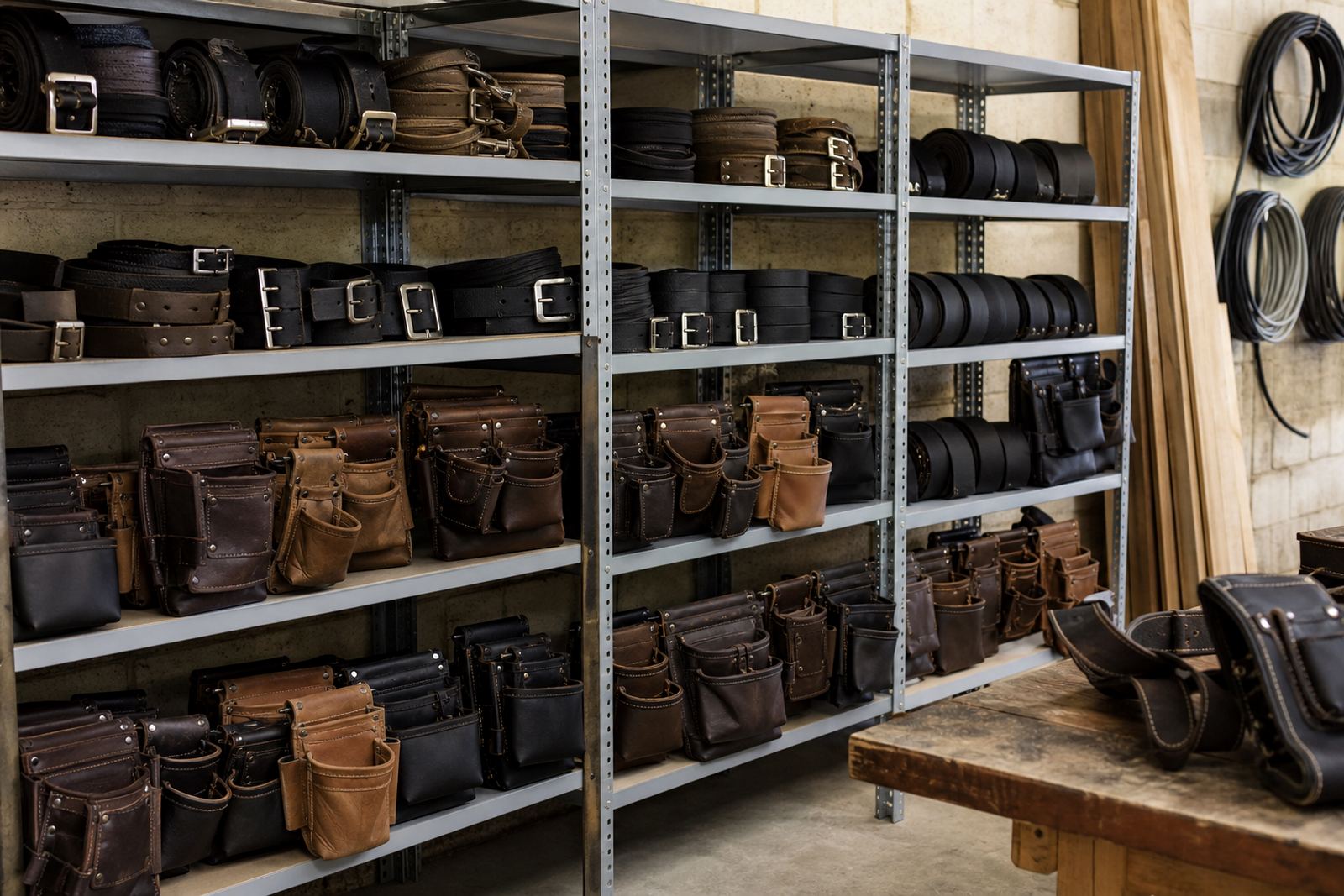
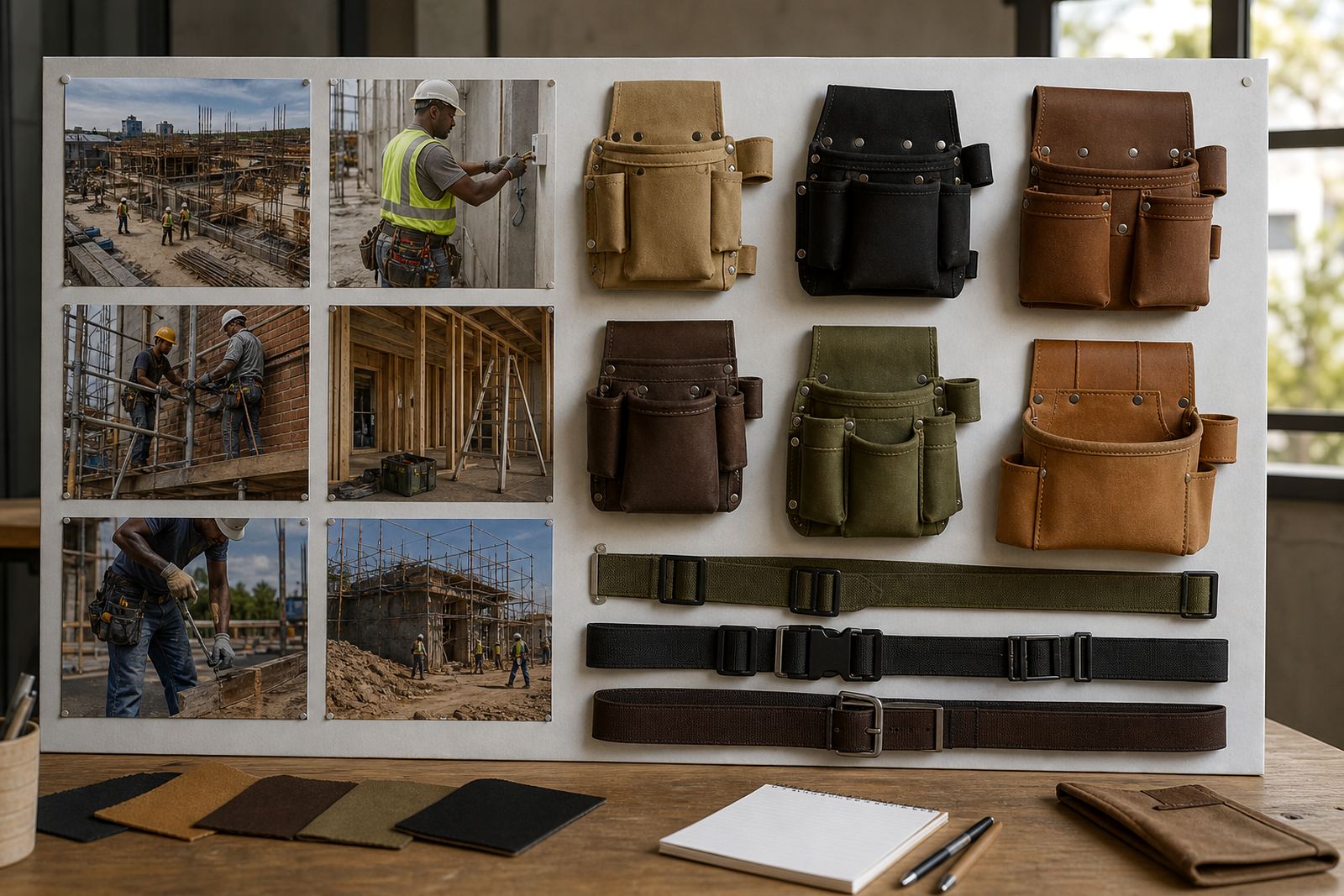
Each rollout is built around the actual scope of work, not a one-size-fits-all pack. We can supply tool pouches for hand tools, nail bags for masonry and framing work, and utility waist belts that support daily movement on site. Where needed, we also help separate orders by trade so the electricians get their layout and the builders get theirs, which saves time when teams clock in.
We can prepare starter kits for new crews, top-up kits for existing teams, and mixed trade kits for projects where one contractor manages several work streams. If your team works on coastal jobs in Durban or Cape Town, we can factor in material selection that handles humidity better. For inland projects around Gauteng, we can focus on comfort, capacity and hard wearing daily use.
- Tool pouch supply in standard and larger carry formats
- Nail bag options for fixing, framing and general building tasks
- Utility waist belts in multiple sizes for snug fit and support
- Site specific selection by trade, crew size and task list
How The Rollout Process Works
We keep the process simple so procurement teams and site supervisors can plan without chasing loose details. First, we confirm the project timeline, the number of workers per phase, the trades involved and the expected delivery points. Then we map the order into stages, for example an opening issue, a mid project restock and a final top-up before completion.
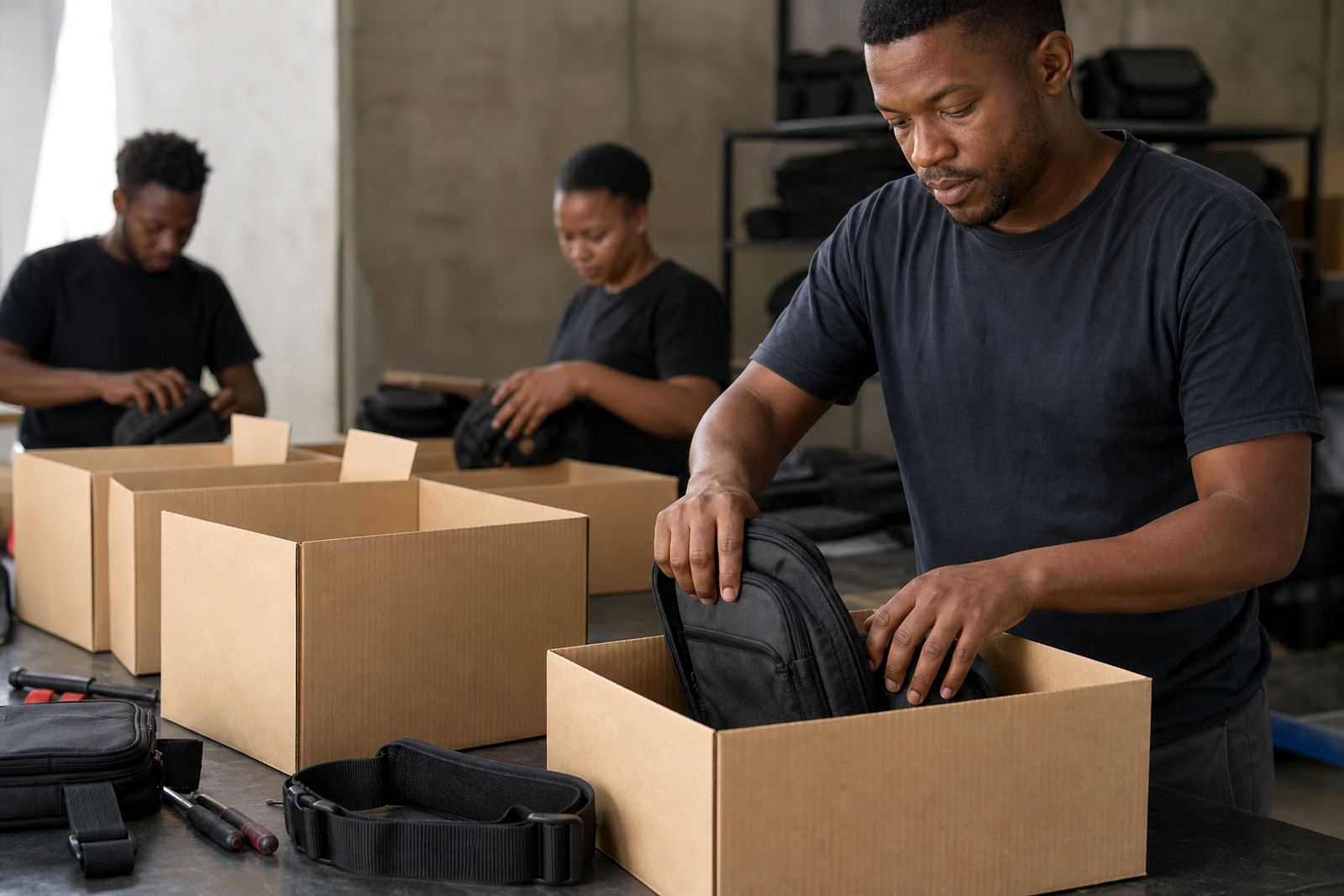
Once the schedule is set, our team prepares the product mix, sizes and quantities. If your staff numbers change, we can adjust the next stage rather than forcing a complete reorder. This is useful on contractor jobs where headcount shifts from week to week and the site store needs better control.
- Step 1: Share project dates, crew numbers and trade requirements
- Step 2: Confirm pouch, bag and belt mix for each stage
- Step 3: Approve size matching and quantity split
- Step 4: Receive staged deliveries with clear packing notes
- Step 5: Reorder the next phase as the project moves ahead
Turnaround, Delivery Planning And Stock Control
Turnaround depends on the size of the rollout and whether the order is being released in one batch or in planned phases. Smaller staged releases can often move faster, while larger contractor rollouts need a bit more time for sorting, labelling and delivery planning. We keep the communication direct so you know what is ready, what is pending and when the next drop is due.
For sites with restricted access or formal induction rules, we can plan delivery around receiving times and site control procedures. That helps reduce delays at security gates and avoids missed handover windows. Where the project stretches over several months, we also help keep replenishment practical, so you do not overbuy early and run short later.
- Single site or multi site delivery planning
- Scheduled drops to match project milestones
- Replenishment support for long running contracts
- Clear quantity control for site stores and foremen
Pricing Approach For Phased Project Orders
Project rollout pricing is based on the quantity per stage, the product mix, the size range and the delivery pattern. Orders with repeated phases often benefit from better planning because the same specification can be carried forward with fewer changes. If your crew mix changes later, we recalculate the next stage only, rather than repricing the whole contract.
We also consider whether you need belt size matching, mixed trade kits or extra packing for site distribution. For contractors managing budget control, staged supply is often easier to account for than one large spend. It spreads costs across the project timeline and helps procurement keep a cleaner record of issue and replacement. If your team is working on tight margins, that matters.
Quotes are prepared from the details you send through the enquiry form on our contact page, including quantities, site locations and the expected rollout schedule. If there are multiple branches or project teams involved, we can separate the figures by area for easier approval.
Maintenance Intervals For Pouches, Bags And Belts
Tool pouches, nail bags and waist belts work best when they are checked at set intervals instead of waiting for a failure on site. For active crews, we recommend a basic inspection every 4 to 6 weeks, especially where dust, plaster, moisture and constant tool movement are part of daily work. On coastal sites, it makes sense to check hardware and stitching more often because humidity can shorten service life if gear is left wet or packed away dirty.
A good maintenance routine includes emptying the pouch at the end of the shift, brushing out grit, checking belt wear points and making sure fastening parts still hold properly. If a belt starts slipping or a pouch loses shape, it is usually better to replace it early rather than let it slow the crew down. For long project rollouts, we can align replenishment with these checks so replacements are already planned.
- Inspect every 4 to 6 weeks on active sites
- Check stitching, fasteners and belt holes during each service cycle
- Replace worn items before they affect daily output
- Match replacement timing to project milestones and issue records
Key facts
| Product types | Tool pouches, nail bags and utility waist belts |
|---|---|
| Use case | Phased delivery for builders, electricians and contractor teams |
| Size support | Multiple belt sizes for better fit and comfort on site |
| Delivery model | Single drop or staged rollout across project phases |
| Order planning | Quantity split by trade, crew size and site schedule |
| Maintenance guide | Inspect every 4 to 6 weeks, or sooner on heavy use sites |